

Dell Latitude 5420 14" Vs Microsoft Surface Pro 6 12"

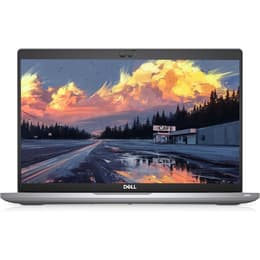
Dell Latitude 5420 14"
Starting at

Refurbished price:263.52

Versus €986.84 new

See options
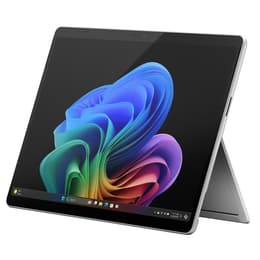
Microsoft Surface Pro 6 12"
Starting at

Refurbished price:424.00

Versus €899.00 new

See options

Ratings

The Dell Latitude 5420, released in 2021, is a traditional business-oriented laptop, while the Microsoft Surface Pro 6, launched in late 2018, is a versatile 2-in-1 device designed to function as both a tablet and a laptop. Both devices operate on the Windows platform, offering a familiar software experience. The primary distinctions lie in their form factor, processing power, and connectivity options, catering to different user preferences and work styles.

Scores

Durability

When considering the long-term usability of these devices, their release timelines and design philosophies play a significant role. The Dell Latitude 5420, being a more recent release, benefits from newer hardware and potentially longer official software support from its manufacturer compared to the older Surface Pro 6.

  • Release Timeline: The Latitude 5420 was introduced in 2021, making it three years newer than the Surface Pro 6, which debuted in 2018. This difference in age directly impacts the expected duration of operating system updates and security patches, with the Latitude likely receiving support for a longer period.
  • Software Longevity: Both devices run Windows, and while the Surface Pro 6 is compatible with Windows 11, the Latitude 5420's newer internal components are better positioned to handle future software advancements and more demanding applications for an extended period.
  • Repairability and Practical Lifespan: The Dell Latitude 5420 is generally designed with upgradeability in mind, allowing for easier access to components like RAM and storage, which can extend its practical lifespan. In contrast, the Microsoft Surface Pro 6 has received low repairability scores, indicating that internal components are often difficult to access and replace, potentially limiting its long-term serviceability.

Year of Release

2020

2017

Last Os Compatibility

Yes

Yes

OS

Windows 11

Windows 11

Performance

The performance capabilities of the Dell Latitude 5420 and the Microsoft Surface Pro 6 reflect their respective release years and design intentions. The Latitude 5420, with its more modern architecture, offers a noticeable advantage in handling demanding tasks.

  • Processor Capabilities: The Latitude 5420 features more recent generation processors, which translate to faster execution of applications, smoother multitasking, and more efficient handling of complex computations. Users engaging in intensive productivity, data analysis, or light content creation will experience a more responsive system. The Surface Pro 6, while capable for everyday tasks, may show its age with more resource-heavy applications.
  • System Responsiveness and Multitasking: The Latitude 5420 typically comes with faster RAM and offers greater expandability, allowing it to manage numerous open applications and browser tabs without significant slowdowns. Its storage options also generally provide quicker data access. The Surface Pro 6's components, while adequate for general use, may lead to more noticeable delays when switching between multiple demanding programs.
  • Battery Behavior: The Latitude 5420, with its larger battery options, can provide a full workday of power for typical office tasks, with some configurations offering up to 9-13 hours of web browsing. The Surface Pro 6 is rated for up to 13.5 hours of local video playback, but real-world usage often sees it delivering 5-9 hours, with some older units experiencing significantly reduced battery life.

Memory (GB)

16 GB

8 GB

Processor

Core i5-1135G7

Core i5 - Gen 8 (U)

Graphic card

Integrated Graphics

Integrated Graphics

Screen quality

The visual experience on both devices is distinct, primarily due to differences in display technology, size, and resolution, catering to varied user needs.

  • Display Technology and Clarity: The Dell Latitude 5420 offers a 14-inch IPS panel, with various resolution options up to Full HD (1920x1080). The Microsoft Surface Pro 6 features a 12.3-inch PixelSense display with a higher resolution of 2736 x 1824 pixels, resulting in a sharper image on its smaller screen.
  • Brightness and Viewing Experience: The Latitude 5420's display options range from 220 to 400 nits of brightness, with anti-glare coatings available, making it suitable for various indoor and some outdoor conditions. The Surface Pro 6's PixelSense display is known for its vibrant colors and good brightness, offering a premium visual experience, especially for media consumption and creative tasks.
  • Screen Size and Interaction: The 14-inch screen of the Latitude 5420 provides a larger workspace for traditional laptop use, beneficial for multitasking with multiple windows. The 12.3-inch touch-enabled display of the Surface Pro 6, with its 3:2 aspect ratio, is optimized for tablet mode and digital pen input, offering a more compact and interactive experience.

Resolution

1920 x 1080

2736 x 1824

Screen type

IPS

IPS

Camera

Audiovisual

Both devices incorporate camera systems suitable for communication and basic photography, though their primary focus differs based on their form factors.

  • Camera System Capabilities: The Dell Latitude 5420 typically includes an HD (720p) webcam, with some configurations offering a Full HD (1080p) webcam, primarily for video conferencing. The Microsoft Surface Pro 6 features a 5.0MP front-facing camera for 1080p video calls and an 8.0MP rear-facing camera with autofocus for general photography and document scanning.
  • Low-light and Everyday Performance: For video calls, both devices perform adequately in well-lit environments. The Surface Pro 6's higher megapixel count on both front and rear cameras may offer slightly more detail in images and video compared to the standard Latitude 5420 webcam.
  • Audio Experience: The Latitude 5420 includes a universal audio jack and typically features stereo speakers for clear audio output during calls and media playback. The Surface Pro 6 is equipped with dual microphones and 1.6W stereo speakers with Dolby Audio, providing a clear audio experience for video conferencing and media consumption.

Miscellaneous

Beyond core specifications, several practical elements differentiate these two devices, influencing their suitability for various users and environments.

  • Connectivity Options: The Dell Latitude 5420 offers comprehensive connectivity, including two Thunderbolt 4 USB-C ports, two USB-A 3.2 Gen 1 ports, HDMI 2.0, RJ45 Ethernet, Wi-Fi 6, and Bluetooth 5.1/5.2. The Microsoft Surface Pro 6 includes a single full-size USB 3.0 Type-A port, a Mini DisplayPort, a Surface Connect port, a microSDXC card reader, and Wi-Fi 5 (802.11ac) with Bluetooth 4.1. Notably, it lacks a USB-C port.
  • Portability and Handling: The Latitude 5420, weighing around 1.37 kg to 1.54 kg, is a standard 14-inch laptop, offering a stable typing experience. The Surface Pro 6 is significantly lighter at approximately 770-784 grams (without its Type Cover), making it highly portable as a tablet. Its integrated kickstand allows for flexible positioning, but the Type Cover keyboard is a separate accessory.
  • Security and Build Materials: Both devices feature robust security options. The Latitude 5420 often includes a fingerprint reader and IR facial recognition, built with carbon fiber and magnesium for durability. The Surface Pro 6 offers Windows Hello facial authentication and features a magnesium unibody design.

Weight

1400 g

1120 g

Screen size

14

12

The Dell Latitude 5420 and Microsoft Surface Pro 6 cater to distinct user needs, with their differences stemming largely from their form factors and release generations. Users often praise the Latitude 5420 for its robust build quality, extensive port selection, and strong performance for business and productivity tasks. Its upgradeable components are also a frequent positive point, allowing for extended usability. Some users, however, note that its display options can be inconsistent in brightness and color accuracy depending on the configuration.

The Surface Pro 6 is frequently lauded for its exceptional portability, high-resolution touch display, and the versatility of its 2-in-1 design, making it ideal for on-the-go use, digital note-taking, and media consumption. Criticisms often revolve around its limited port selection, particularly the absence of USB-C, and its challenging repairability, which can impact long-term maintenance. Performance, while adequate for basic tasks, is also noted to be less robust than newer devices.

Users prioritizing a traditional laptop experience with strong performance, a wide array of connectivity options, and easier upgradeability for professional workloads may prefer the Dell Latitude 5420. Its newer internal components also offer a longer runway for future software compatibility. Conversely, individuals who value extreme portability, a high-quality touch screen for creative input, and the flexibility of a tablet-laptop hybrid for lighter tasks will find the Microsoft Surface Pro 6 well-suited to their needs. When considering either device, exploring quality-assured refurbished options can provide a sustainable choice for acquiring reliable technology.


See all articles

Our recent comparisons