
iPhone

Compare models
Differences at a glance
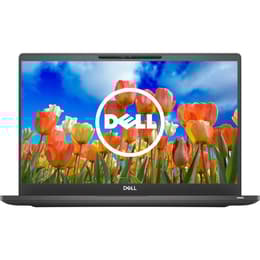
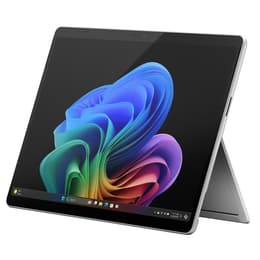
The Dell Latitude 7300 13, released in 2019, is a traditional business-oriented laptop, while the Microsoft Surface Pro 6 12, launched in October 2018, is a versatile 2-in-1 tablet/laptop hybrid. Both devices operate on the Windows operating system and are designed for productivity, yet they offer distinct form factors and user experiences. The primary differentiators lie in their design philosophies, with the Latitude focusing on a conventional clamshell laptop experience and the Surface Pro emphasizing adaptability as a tablet with an optional keyboard.
Storage
Processor
Memory
The Dell Latitude 7300 13 (2019) and the Microsoft Surface Pro 6 12 (2018) are both Windows-based devices. Given their respective release dates, both models have received several years of operating system updates and are expected to continue receiving security patches and feature updates. The Latitude 7300, being slightly newer, may offer a marginally longer support window for major OS upgrades. Dell's Latitude series is known for its robust build quality, designed for demanding business environments, suggesting a practical lifespan focused on reliability. The Surface Pro 6, while also well-constructed, features a more intricate kickstand mechanism and a detachable keyboard, which can introduce different wear patterns over time.
Year of Release
Last Os Compatibility
OS
Both the Dell Latitude 7300 13 and the Microsoft Surface Pro 6 12 are equipped with 8th-generation Intel Core processors, providing comparable capabilities for everyday computing tasks. Users can expect smooth operation for web browsing, document editing, and video conferencing on either device. The Latitude 7300 typically offers a wider range of RAM configurations, including options up to 32GB, potentially allowing for more intensive multitasking scenarios without slowdowns. The Surface Pro 6, while capable, might feel more constrained in demanding applications if configured with less RAM.
Graphic card
The Dell Latitude 7300 13 features a 13.3-inch display, typically an IPS panel, offering good viewing angles and color reproduction suitable for productivity and general media consumption. The Microsoft Surface Pro 6 12, with its 12.3-inch PixelSense display, often provides a slightly higher resolution of 2736x1824 pixels and a 3:2 aspect ratio, which can be beneficial for document work and web browsing by offering more vertical screen real estate. Both displays offer adequate brightness for indoor use, though outdoor visibility can vary.
Resolution
Screen type
The Dell Latitude 7300 13 provides a standard laptop audio-visual experience, suitable for video calls and casual media playback, with its integrated speakers and microphone. Its webcam is functional for business conferencing, typically a 720p resolution. The Microsoft Surface Pro 6 12, designed with a tablet-first approach, often features front-facing speakers that can offer a more direct audio experience, and its microphones are optimized for voice clarity during video calls. The Surface Pro 6 also includes a 5MP front-facing camera and an 8MP rear camera, offering slightly more versatile camera capabilities.
The Dell Latitude 7300 13 offers a comprehensive set of connectivity options, including USB-C with Thunderbolt 3 support, multiple USB-A ports, and HDMI, making it highly adaptable for various peripherals and external displays. The Microsoft Surface Pro 6 12, in contrast, has a more limited port selection, featuring USB-A, Mini DisplayPort, and the proprietary Surface Connect port, notably lacking USB-C. The Latitude 7300 is a traditional clamshell laptop, while the Surface Pro 6 is a 2-in-1 device with a detachable keyboard and kickstand, offering greater flexibility in usage modes.
Weight
Screen size
Users frequently praise the Dell Latitude 7300 13 for its robust build quality, extensive port selection, and reliable performance as a business-oriented laptop. Common feedback highlights its comfortable keyboard and overall durability. Some users might find its design more traditional compared to newer, sleeker models, and some displays may not be as bright as competitors. The Microsoft Surface Pro 6 12 is often lauded for its versatile 2-in-1 design, excellent display, and portability, making it a favorite for those who need both a tablet and a laptop. Criticisms sometimes point to its limited port selection, particularly the absence of USB-C, and the additional cost of essential accessories like the Type Cover.
Users prioritizing a traditional, durable laptop experience with a wide range of connectivity options may prefer the Dell Latitude 7300 13. Its robust construction and comprehensive port array make it well-suited for office environments or users who frequently connect to various peripherals. Conversely, users who value portability, a high-resolution touch display, and the flexibility of a tablet and laptop in one device may lean toward the Microsoft Surface Pro 6 12. Its 2-in-1 form factor and pen support cater to those who need to sketch, annotate, or work on the go. Both devices offer a solid computing experience, and considering a quality-assured refurbished option for either can be an eco-friendly alternative to extend their useful life.