
Dell Latitude 5520 15" Vs Dell Latitude 7400 14"

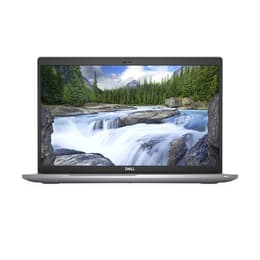
Dell Latitude 5520 15"
Starting at

Refurbished price:490.00

Versus €1,251.88 new

See options
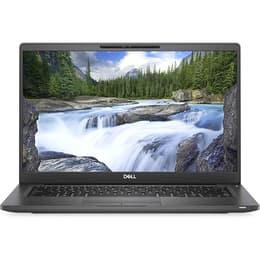
Dell Latitude 7400 14"
Starting at

Refurbished price:276.00

Versus €629.00 new

See options

Ratings

The Dell Latitude 5520 15 and the Dell Latitude 7400 14 are business-oriented laptops designed for productivity and reliability. The Latitude 5520, released in 2021, offers a larger display and more recent internal components, while the Latitude 7400, launched in 2019, emphasizes portability with its compact 14-inch form factor. Both models run on the Windows operating system, providing a familiar environment for professional users.

Scores

Durability

The longevity of a laptop is influenced by its release year, operating system support, and ease of maintenance. These two Dell Latitude models offer different timelines for their expected practical lifespan.

  • Release Timeline: The Dell Latitude 5520 was released in January 2021, making it a more recent model compared to the Dell Latitude 7400, which launched in 2019. This difference in release year can impact the duration of official software support and the availability of newer features. [1, 16, 22]
  • Software Support: Both laptops primarily ship with Windows 10 Pro and support upgrades to Windows 11, ensuring several years of operating system updates and security patches. The newer Latitude 5520 may receive official support for a slightly longer period due to its later release. [1, 19]
  • Repairability: Both models are designed with ease of maintenance in mind. The Latitude 5520 allows for easy access to its internal components by removing eight captive Phillips-head screws, offering two SODIMM slots for RAM and two M.2 PCIe x4 slots for storage upgrades. Similarly, the Latitude 7400 also features easily accessible internals with captive screws and two memory slots, supporting up to 32GB of RAM. [2, 23]

Year of Release

2020

2019

Last Os Compatibility

Yes

Yes

OS

Windows 11

Windows 11

Performance

Performance in these business laptops is driven by their internal hardware, affecting how smoothly applications run and how efficiently tasks are handled. Both devices are configured for professional use, but with different generations of core components.

  • Processing Power: The Latitude 5520 is equipped with 11th-generation Intel Core processors, which provide responsive performance for demanding applications and multitasking. The Latitude 7400 features 8th-generation Intel Core processors, offering solid performance for everyday productivity tasks and general business applications. [1, 10, 19, 26]
  • Multitasking and Responsiveness: The Latitude 5520 supports up to 64GB of DDR4 RAM at 3200 MHz, allowing for extensive multitasking and smooth transitions between numerous open applications. The Latitude 7400 can be configured with up to 32GB of DDR4 RAM at 2667 MHz, which is ample for typical business workloads. Both models utilize NVMe SSDs for storage, contributing to fast boot times and quick application loading. [1, 2, 9, 19, 24]
  • Battery Behavior: The Latitude 5520 offers battery options including 42Wh and 63Wh, with the larger capacity providing up to 14 hours of web browsing or 10 hours of video playback in typical usage scenarios. The Latitude 7400 comes with 52Wh or 60Wh battery options, and some configurations, particularly the 2-in-1 variant, can feature a 78Wh battery, delivering impressive real-world usage of 10-12 hours, and up to 15-18 hours in specific tests. [2, 14, 15, 17, 21, 24, 25, 29]

Memory (GB)

16 GB

16 GB

Processor

Core i5-1135G7

Core i7 - Gen 8 (U)

Graphic card

Integrated Graphics

Integrated Graphics

Screen quality

The visual experience on a laptop is largely determined by its display technology, resolution, and brightness, which impact clarity and usability in various environments.

  • Display Technology and Resolution: The Latitude 5520 offers a 15.6-inch display with options including HD (1366x768) TN, FHD (1920x1080) IPS, and even optional 4K UHD (3840x2160) IPS panels. The Latitude 7400 features a 14-inch display with options for HD (1366x768) Anti-Glare, FHD (1920x1080) Anti-Glare, and FHD Touch panels. The IPS panels on both models generally provide wider viewing angles and better color reproduction compared to TN panels. [2, 3, 7, 10, 11, 13, 19, 22]
  • Brightness and Clarity: The FHD IPS display on the Latitude 5520 typically offers 250 nits of brightness, with some configurations reaching 400 nits, enhancing visibility in brighter conditions. The Latitude 7400's FHD displays generally provide around 300 nits of brightness, with a 'super low power' panel option designed for increased battery efficiency without compromising resolution or color. Both models offer anti-glare coatings to reduce reflections. [3, 5, 7, 13, 17, 19, 24, 30]
  • Refresh Rate and Viewing Experience: Most configurations of both laptops feature standard 60Hz refresh rates, suitable for general productivity and media consumption. The larger 15.6-inch screen of the Latitude 5520 provides a more expansive viewing area, which can be beneficial for multitasking or working with detailed content, while the 14-inch screen of the Latitude 7400 contributes to its compact and portable design. [22, 24]

Resolution

1920 x 1080

1920 x 1080

Screen type

LCD

IPS

Camera

Audiovisual

For communication and media, the camera, microphone, and speakers are key components, offering different levels of quality and features across these two Latitude models.

  • Camera Capabilities: The Latitude 5520 includes an HD IR webcam with a privacy shutter, supporting facial recognition for secure logins. The Latitude 7400 features a 720p HD camera, also capable of Windows Hello facial recognition, and some models include a privacy shutter. [3, 14, 19, 32]
  • Audio Quality: Both laptops are equipped with integrated microphone arrays for clear voice capture during calls and recordings. The Latitude 5520 features dual 2W speakers with Realtek Waves MaxxAudio Pro for enhanced sound. The Latitude 7400 also provides standard stereo speakers, which are noted for good audio output for media consumption and video conferencing. [3, 10, 16, 24, 31]
  • Video Recording and Media Consumption: The HD cameras on both devices are suitable for video conferencing and online meetings. The larger screen of the Latitude 5520 can offer a more immersive experience for media consumption, while the Latitude 7400's audio system is generally well-regarded for its clarity. [24, 31]

Miscellaneous

Beyond core performance and display, practical elements like connectivity, ports, and physical design contribute significantly to a laptop's overall usability and suitability for different user needs.

  • Connectivity Options: The Latitude 5520 supports Wi-Fi 6 and Bluetooth 5.1, with optional LTE mobile broadband for consistent connectivity. The Latitude 7400 offers Wi-Fi 5 (802.11ac) or Wi-Fi 6 (802.11ax) and Bluetooth 5.0, also with optional LTE mobile broadband, and features ExpressConnect for optimized Wi-Fi connections. [1, 3, 5, 8, 10, 19, 20]
  • Port Selection: The Latitude 5520 is equipped with two Thunderbolt 4 ports, two USB 3.2 Gen 1 Type-A ports, HDMI 2.0, an RJ45 Ethernet port, a MicroSD card reader, and a headphone/microphone combo jack. The Latitude 7400 includes one Thunderbolt 3 port, two USB Type-A 3.1 Gen 1 ports, HDMI 1.4a, a Universal Audio Jack, and a microSD card reader. The Thunderbolt 4 ports on the 5520 offer faster data transfer rates and broader compatibility with modern peripherals. [1, 3, 4, 8, 9, 11, 12, 19, 20, 29, 31, 34]
  • Physical Attributes: The Latitude 5520 is a 15.6-inch laptop starting at 1.59 kg (3.5 lbs), featuring a more compact design than its predecessor and a dedicated numerical keypad. The Latitude 7400 is a lighter, more compact 14-inch device, weighing approximately 1.35 kg (3 lbs) to 1.535 kg (3.38 lbs), making it highly portable. Both models offer security features like fingerprint readers and facial recognition. [1, 2, 3, 5, 8, 9, 11, 13, 19, 22, 23, 30, 33]

Weight

1590 g

1400 g

Screen size

15

14

User feedback for the Dell Latitude 5520 often highlights its robust performance for business tasks and its comprehensive port selection, including the newer Thunderbolt 4. Users appreciate the option for a 4K UHD display and the overall build quality, which incorporates sustainable materials. Some common praise points include its comfortable keyboard with a numpad and good battery life for its class. Criticisms are less frequent but can sometimes point to the base display options not being as vibrant as higher-tier configurations. [2, 3, 10, 11, 13, 19, 29]

The Dell Latitude 7400 is frequently praised for its exceptional battery life, often lasting a full workday or longer, and its highly portable, compact design. Users also commend its premium build quality, comfortable keyboard, and fast NVMe SSDs for quick system responsiveness. Some users have noted that the fan can produce a noticeable sound under heavy load, and while the display is generally good, some wish for higher brightness levels in certain configurations. [1, 8, 9, 14, 17, 18, 23, 24, 27, 30]

Users prioritizing a larger screen, more recent processing power, and the latest Thunderbolt 4 connectivity for future-proofing may find the Dell Latitude 5520 well-suited to their needs, especially if they require a numerical keypad. For those who value maximum portability, extended battery life, and a slightly more compact form factor, the Dell Latitude 7400 could be the preferred choice. Both laptops offer a reliable computing experience for professionals, and considering a quality-assured refurbished option can be a sustainable choice for either model.

See all articles

Our recent comparisons