

Dell Latitude 5490 14" Vs Microsoft Surface Pro 7 12"

Dell Latitude 5490 14"
Starting at

Refurbished price:325.00

Versus €793.00 new

See options
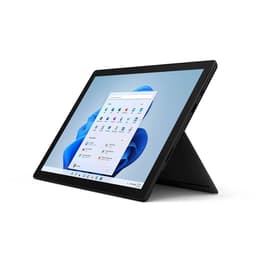
Microsoft Surface Pro 7 12"
Starting at

Refurbished price:334.00

Versus €1,399.00 new

See options

Ratings

The Dell Latitude 5490, released in 2018, is a traditional business-oriented laptop, while the Microsoft Surface Pro 7, launched in October 2019, offers a versatile 2-in-1 tablet and laptop hybrid experience. These devices cater to different user preferences, with the Latitude focusing on a conventional computing setup and the Surface Pro emphasizing portability and touch-based interaction. Both run on the Windows operating system, providing a familiar software environment.

Scores

Durability

The expected practical lifespan of these devices is influenced by their release timelines and the duration of software support.

  • Release Timeline: The Dell Latitude 5490 was released in 2018, making it an older model compared to the Microsoft Surface Pro 7, which launched in October 2019. This difference in release year can impact the remaining period of official software updates.
  • Software Longevity: Both devices run on the Windows operating system, which typically receives long-term support from Microsoft. However, newer hardware generally receives feature updates for a longer duration. The Surface Pro 7, being a year newer, may receive an additional year or two of major Windows feature updates compared to the Latitude 5490.
  • Durability and Build: The Latitude 5490 is designed with a durable chassis, often featuring a carbon fiber lid, and is tested against MIL STD 810G benchmarks, indicating a robust build for business environments. The Surface Pro 7 features a magnesium casing and a built-in kickstand, offering a premium feel and a design that prioritizes portability and adaptability.

Year of Release

2017

2019

Last Os Compatibility

Yes

Yes

OS

Windows 11

Windows 11

Performance

Performance varies between these two devices, primarily due to their different processor generations and form factors, impacting how they handle daily tasks and multitasking.

  • Processor Capabilities: The Dell Latitude 5490 typically features 8th Generation Intel Core i5 or i7 processors, which provide solid performance for general business applications and multitasking. The Microsoft Surface Pro 7 is equipped with 10th Generation Intel Core i3, i5, or i7 processors, offering improved efficiency and graphics performance, making it suitable for demanding applications and smoother multitasking.
  • Memory and Storage: Both devices offer configurable RAM options, commonly 8GB or 16GB, with the Latitude 5490 supporting up to 32GB, which is beneficial for heavy multitasking. Storage options include SSDs for both, providing fast boot times and application loading. The Latitude 5490 also had HDD options in some configurations.
  • Battery Behavior: The Latitude 5490 can offer substantial battery life, with some tests showing over 15 hours of video playback or around 10-12 hours of web browsing, depending on the battery configuration. The Surface Pro 7 typically provides up to 10.5 hours of battery life under typical usage, with some tests indicating nearly 12 hours, making it suitable for a full day of work or study.

Memory (GB)

8 GB

8 GB

Processor

Core i5 - Gen 8 (U)

Core i5 - Gen 10 (G4)

Graphic card

Integrated Graphics

Integrated Graphics

Screen quality

The display experience differs significantly between these two devices, impacting visual clarity, brightness, and interactive capabilities.

  • Display Technology and Resolution: The Dell Latitude 5490 features a 14-inch Full HD (1920 x 1080) anti-glare LCD or WVA display, providing clear visuals for productivity tasks. The Microsoft Surface Pro 7 boasts a 12.3-inch PixelSense Display with a higher resolution of 2736 x 1824 pixels and a 3:2 aspect ratio, offering sharper images and more vertical screen real estate.
  • Brightness and Clarity: The Latitude 5490's display typically has a brightness of around 220 nits, which is adequate for indoor use but may struggle in bright outdoor conditions. The Surface Pro 7's PixelSense display offers a brighter experience, around 400 nits, enhancing visibility in various lighting environments.
  • Interactive Features: The Surface Pro 7 includes 10-point multi-touch and supports pen input, making it highly versatile for note-taking, drawing, and direct interaction with content. While some configurations of the Latitude 5490 offered a touchscreen, it was not a standard feature across all models. Both devices generally have a 60 Hz refresh rate.

Resolution

1920 x 1080

2736 x 1824

Screen type

IPS

IPS

Camera

Audiovisual

The camera and audio capabilities of these devices are designed for different primary uses, reflecting their form factors.

  • Camera System: The Dell Latitude 5490 includes a 720p HD webcam, suitable for video conferencing and online meetings. The Microsoft Surface Pro 7 features a 5-megapixel front-facing camera and an 8-megapixel rear-facing camera, both capable of 1080p video recording, offering better quality for video calls and casual photography.
  • Microphone Quality: The Surface Pro 7 incorporates dual far-field Studio Mics, designed to capture clear audio during calls and for voice dictation, even in noisier environments. The Latitude 5490 typically includes dual array microphones for standard audio input.
  • Speaker Output: Both devices feature built-in stereo speakers. The Surface Pro 7 offers crisp, clear audio with Dolby Audio Premium, enhancing the media consumption experience. The Latitude 5490 provides functional audio output for general use.

Miscellaneous

Beyond core specifications, several practical elements differentiate the user experience of these two devices.

  • Connectivity Options: The Dell Latitude 5490 offers a comprehensive set of ports, including multiple USB 3.1 Gen 1 Type-A ports, a USB 3.1 Gen 1 Type-C port with DisplayPort, HDMI, VGA, Ethernet (RJ-45), and an SD card reader, making it highly versatile for connecting peripherals and external displays. The Microsoft Surface Pro 7 provides a more streamlined selection with one USB-A, one USB-C, a Surface Connect port, a 3.5mm headphone jack, and a microSD card reader, prioritizing a thinner design.
  • Weight and Dimensions: The Latitude 5490 is a traditional laptop, weighing around 1.6 kg to 1.7 kg, with dimensions of approximately 333 x 229 x 20 mm. The Surface Pro 7, designed as a 2-in-1, is significantly lighter at about 0.79 kg (without the Type Cover) and thinner, measuring 292 x 201 x 8.5 mm, offering greater portability.
  • Security and Biometrics: Both devices support modern security features. The Latitude 5490 often includes optional features like a fingerprint reader, smart card reader, and an IR webcam for Windows Hello login, catering to business security needs. The Surface Pro 7 supports facial recognition for secure and convenient login via Windows Hello.

Weight

1600 g

775 g

Screen size

14

12

Users often praise the Dell Latitude 5490 for its robust build quality, extensive port selection, and reliable performance for everyday business tasks. Its traditional laptop form factor is frequently cited as a benefit for those who prefer a stable typing experience and a comprehensive array of connectivity options without needing additional accessories. Some common criticisms, however, include its relatively dim display and its more conventional, less portable design compared to modern ultrabooks or 2-in-1 devices.

The Microsoft Surface Pro 7 generally receives positive feedback for its versatile 2-in-1 design, high-resolution touchscreen with pen support, and excellent portability. Users appreciate its ability to seamlessly transition between a laptop and a tablet, making it suitable for a variety of creative and productivity tasks. Criticisms often revolve around the fact that essential accessories like the Type Cover keyboard and Surface Pen are sold separately, and its limited port selection compared to traditional laptops.

Users prioritizing a durable, full-featured laptop with a wide range of legacy ports for a fixed workspace or frequent peripheral connections may prefer the Dell Latitude 5490. Its strong performance for office applications and robust construction make it a solid choice for professionals seeking a traditional computing experience. Conversely, users who value portability, a high-quality touch display for creative work or note-taking, and the flexibility of a tablet and laptop in one device will find the Microsoft Surface Pro 7 well-suited to their needs. Its modern design and enhanced interactive capabilities cater to a more dynamic workflow.

For those considering either of these devices, exploring quality-assured refurbished options can provide an eco-friendly alternative, extending the life of these capable machines.


See all articles

Our recent comparisons