

Dell Latitude 5320 13" Vs Microsoft Surface Laptop 3 13"

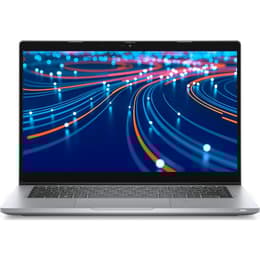
Dell Latitude 5320 13"
Starting at

Refurbished price:307.00

Versus €1,051.43 new

See options
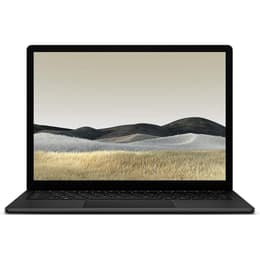
Microsoft Surface Laptop 3 13"
Starting at

Refurbished price:234.00

Versus €689.99 new

See options

Ratings

The Dell Latitude 5320 13-inch, released in 2021, and the Microsoft Surface Laptop 3 13-inch, launched in late 2019, are both Windows-based portable computers designed for productivity. While the Latitude 5320 emphasizes business-oriented features and extensive connectivity, the Surface Laptop 3 focuses on a premium user experience with a distinctive design. Both devices run on the Windows operating system, offering a familiar software environment for users.

Scores

Durability

These two laptops, released two years apart, offer different expectations regarding their practical lifespan and ongoing support.

  • Software Longevity: The Dell Latitude 5320, being a 2021 model, benefits from a later release, likely extending its official Windows update support for a longer period compared to the 2019 Microsoft Surface Laptop 3. Both devices are capable of running Windows 11.
  • Repairability and Components: The Dell Latitude 5320 is generally designed with business maintenance in mind, often allowing for easier access to internal components for servicing. The Surface Laptop 3, while showing improved repairability over its predecessors with a removable SSD, still has a tightly adhered battery and soldered RAM, making certain repairs more challenging.
  • Build and Durability: Both laptops feature robust builds suitable for daily transport. The Latitude 5320 offers a durable chassis, sometimes incorporating bioplastics, while the Surface Laptop 3 provides options for an all-metal chassis or an Alcantara fabric keyboard deck.

Year of Release

2021

2019

OS

Windows 11

Windows 11

Performance

Performance capabilities vary between these two models, primarily due to their different processor generations and memory configurations.

  • Processing Power: The Dell Latitude 5320 is equipped with 11th Generation Intel Core processors, which generally offer improved efficiency and performance for demanding applications and multitasking compared to the 10th Generation Intel Core processors found in the Surface Laptop 3.
  • Memory and Storage: The Latitude 5320 supports up to 32GB of integrated DDR4 RAM, with 8GB and above configurations operating in dual-channel mode, which can enhance system responsiveness. It also features fast NVMe SSD storage up to 1TB. The Surface Laptop 3 comes with 8GB or 16GB of LPDDR4x RAM, which is soldered, and offers SSD storage up to 1TB, with the SSD being removable by a skilled technician.
  • Battery Behavior: The Dell Latitude 5320, particularly with its larger 63Wh battery option, can provide extended usage, with some configurations lasting up to 14 hours during web browsing. The Surface Laptop 3, with a 45.2Wh battery, typically offers around 9 to 11.5 hours of battery life under typical usage conditions.

Memory (GB)

8 GB

8 GB

Processor

Core i5-1135G7

Core i5 - Gen 10 (G7)

Graphic card

Integrated Graphics

Integrated Graphics

Screen quality

The visual experience on both laptops is distinct, influenced by their display technology, resolution, and aspect ratio.

  • Display Technology and Resolution: The Dell Latitude 5320 features a 13.3-inch Full HD (1920x1080) IPS display, available in both touch and non-touch variants. The Microsoft Surface Laptop 3 offers a slightly larger 13.5-inch PixelSense display with a higher resolution of 2256x1504 pixels, utilizing an IPS panel and a 3:2 aspect ratio.
  • Brightness and Clarity: The Latitude 5320 typically provides brightness levels around 250-300 nits, with some configurations reaching up to 400 nits, and includes ComfortView Plus for reduced blue light. The Surface Laptop 3's display generally achieves brightness levels between 348-400 nits and offers vivid colors, covering about 121% of the sRGB color gamut.
  • Aspect Ratio and Viewing Experience: The Latitude 5320 uses a standard 16:9 aspect ratio, common for media consumption. The Surface Laptop 3's 3:2 aspect ratio provides more vertical screen real estate, which can be beneficial for productivity tasks like document editing and web browsing.

Audiovisual

Both laptops include integrated audio and visual components suitable for common communication and media consumption needs.

  • Webcam Quality: The Dell Latitude 5320 comes with an HD webcam, with options for HD IR or FHD IR cameras for enhanced security features. The Microsoft Surface Laptop 3 features a 720p HD webcam, which also supports Windows Hello facial recognition for convenient login.
  • Microphone and Speakers: The Latitude 5320 includes dual-array microphones and standard stereo speakers. The Surface Laptop 3 is equipped with dual far-field Studio Mics, designed to improve audio clarity during calls, and its speakers deliver clear sound for media consumption.
  • Video Recording: Both devices are capable of standard video conferencing and recording, with the Latitude 5320's optional FHD IR camera potentially offering a clearer image for video calls.

Miscellaneous

Beyond core performance and display, several practical features differentiate these two portable computers.

  • Connectivity Options: The Dell Latitude 5320 offers a comprehensive selection of ports, including two Thunderbolt 4 ports, two USB-A 3.2 Gen 1 ports, HDMI 2.0, a microSD card reader, and an audio jack. It also supports Wi-Fi 6 and Bluetooth 5.1, with optional 4G LTE. The Surface Laptop 3 includes one USB-C (3.1 Gen 2 with Power Delivery), one USB-A (3.0), a 3.5mm headphone jack, and a Surface Connect port, but lacks Thunderbolt 3. It supports Wi-Fi 5 and Bluetooth 5.0.
  • Physical Design and Handling: The Latitude 5320 is a compact device starting at 1.18 kg, available as a traditional clamshell or a 2-in-1 convertible. The Surface Laptop 3, weighing around 1.25 kg to 1.28 kg, features a sleek, minimalist design with options for an all-metal finish or an Alcantara fabric keyboard deck.
  • Security Features: The Latitude 5320 often includes advanced security features like optional SmartCard readers and fingerprint readers, catering to business environments. The Surface Laptop 3 relies on Windows Hello facial recognition for secure and convenient access.

Weight

1200 g

3000 g

Screen size

13

13

The Dell Latitude 5320 13-inch and the Microsoft Surface Laptop 3 13-inch cater to slightly different user priorities, reflecting their design philosophies and release timelines. Users often praise the Latitude 5320 for its extensive port selection, robust security features, and strong performance for business and productivity tasks, making it a reliable workhorse. Criticisms sometimes point to its more utilitarian design compared to consumer-focused laptops. The Surface Laptop 3 is frequently lauded for its premium build quality, distinctive 3:2 aspect ratio display, and comfortable typing experience, though some users note its more limited port selection and the challenges associated with certain repairs.

Users prioritizing comprehensive connectivity, strong security, and the latest generation processing power for demanding professional applications may find the Dell Latitude 5320 better suited to their needs. Its versatile port array, including Thunderbolt 4, offers greater flexibility for peripherals and external displays. Conversely, individuals who value a sleek, premium design, a unique display aspect ratio for productivity, and a refined user experience might lean towards the Microsoft Surface Laptop 3. Its aesthetic appeal and high-resolution screen are often key decision factors. Both devices offer a quality-assured refurbished option, providing an eco-friendly alternative for those seeking reliable performance without purchasing new.


See all articles

Our recent comparisons