

Compare models

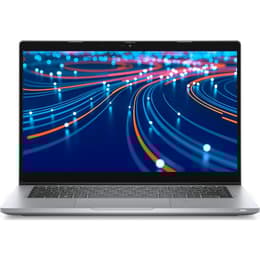
Dell Latitude 5320 13" Vs Microsoft Surface Pro 7 12"

  • 1-year minimum warranty
  • Free delivery on all orders
  • Free 30-day returns
Dell Latitude 5320 13"
Starting at

Refurbished price:249.00

Versus €800.00 new

See options
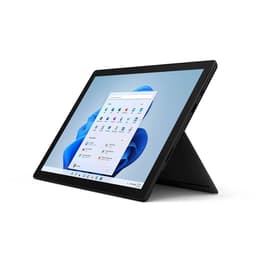
Microsoft Surface Pro 7 12"
Starting at

Refurbished price:336.00

Versus €1,399.00 new

See options

Differences at a glance

The Dell Latitude 5320, released in 2021, is a business-oriented convertible laptop, while the Microsoft Surface Pro 7, launched in 2019, functions as a versatile 2-in-1 tablet with a detachable keyboard. Both devices offer Windows operating systems and aim to provide portable computing experiences, but they differ in their core design philosophy and hardware generations. The Latitude 5320 emphasizes traditional laptop functionality with a flexible hinge, whereas the Surface Pro 7 prioritizes tablet mobility with optional accessories to transform it into a laptop.

Available Models

Storage (GB)

Processor

Memory (GB)

Scores

Durability

The Dell Latitude 5320, released in 2021, benefits from a more recent launch compared to the Microsoft Surface Pro 7, which debuted in 2019. This difference in release dates typically translates to a longer period of official software support and security updates for the Latitude 5320. Both devices run on the Windows operating system, ensuring a broad ecosystem of software compatibility. The Latitude series is known for its business-grade construction, often designed to withstand daily professional use. The Surface Pro 7 features a magnesium casing, offering a sturdy build for its tablet form factor.

  • Software Longevity: The Dell Latitude 5320, being a 2021 model, is likely to receive Windows operating system updates and security patches for a longer duration than the 2019-released Surface Pro 7, extending its practical lifespan for users who prioritize up-to-date software.
  • Build Quality: The Latitude 5320 is built with a durable chassis suitable for business environments, while the Surface Pro 7 features a magnesium alloy construction, providing a robust feel for a tablet-first device.
  • Repairability: Both devices, like many modern electronics, have components such as RAM that are often soldered, which can limit the ease of user upgrades or certain repairs.

Year of Release

2020

2019

Last Os Compatibility

Yes

Yes

OS

Windows 11

Windows 11

Performance

The performance capabilities of these two devices are influenced by their respective hardware generations. The Dell Latitude 5320, featuring 11th Generation processors, generally offers a more responsive experience for demanding applications and multitasking compared to the Microsoft Surface Pro 7, which is equipped with 10th Generation processors. Both devices offer various configurations for internal storage and system memory.

  • Processing Power: The Latitude 5320's newer generation processors provide improved efficiency and speed, resulting in smoother operation for everyday tasks, complex spreadsheets, and moderate content creation. The Surface Pro 7 handles typical productivity applications and web browsing effectively, but may show limitations with more intensive workloads.
  • Multitasking: The Dell Latitude 5320 can be configured with up to 32GB of system memory, allowing for extensive multitasking with numerous applications open simultaneously without significant slowdowns. The Surface Pro 7 offers up to 16GB of system memory, which is sufficient for most users' multitasking needs, though heavy users might notice a difference.
  • Storage Speed: Both devices utilize solid-state drives (SSDs) for storage, ensuring quick boot times and rapid application loading. The Latitude 5320 often features NVMe SSDs, which can offer faster data transfer speeds compared to some older SSD technologies.

Graphic card

Integrated Graphics

Integrated Graphics

Screen quality

The visual experience on these devices presents distinct characteristics, primarily due to differences in display technology, resolution, and aspect ratio. The Microsoft Surface Pro 7 offers a higher resolution display in a slightly smaller form factor, while the Dell Latitude 5320 provides a standard Full HD experience on a slightly larger screen.

  • Display Technology and Resolution: The Surface Pro 7 features a 12.3-inch PixelSense display with a resolution of 2736 x 1824 pixels, resulting in a sharp and detailed image with a 3:2 aspect ratio that is well-suited for document work and web browsing. The Dell Latitude 5320 comes with a 13.3-inch Full HD (1920x1080) IPS display, offering clear visuals for general use and multimedia consumption with a more traditional 16:9 aspect ratio.
  • Brightness and Clarity: Both devices offer good brightness levels, with the Surface Pro 7 typically reaching around 400 nits and some configurations of the Latitude 5320 also offering up to 400 nits, making them suitable for use in various lighting conditions. The Latitude 5320 also includes ComfortView Plus in some configurations, designed to reduce blue light emissions.
  • Touch and Refresh Rate: Both models feature touch-enabled displays, enhancing interactivity. They both typically operate at a standard 60Hz refresh rate, which is suitable for most daily tasks and content viewing.

Resolution

1920 x 1080

2736 x 1824

Screen type

LCD

IPS

Camera

Audiovisual

For video conferencing and photography, these devices offer different camera setups. The Microsoft Surface Pro 7 is generally equipped with more capable cameras, particularly for its rear-facing option, while the Dell Latitude 5320 provides a functional webcam for business communication.

  • Front-Facing Camera: The Surface Pro 7 includes a 5.0-megapixel front-facing camera capable of 1080p video recording, which provides clear image quality for video calls and online meetings. The Latitude 5320 features an HD webcam, suitable for standard video conferencing needs.
  • Rear-Facing Camera: The Surface Pro 7 stands out with an 8.0-megapixel rear-facing camera, also capable of 1080p video, offering more versatility for capturing images or scanning documents. The Dell Latitude 5320 typically does not include a rear-facing camera, focusing on its primary laptop functionality.
  • Audio Experience: Both devices incorporate built-in speakers and microphones for media consumption and communication. The Surface Pro 7 features dual far-field Studio Mics, designed to capture voice clearly during calls.

Miscellaneous

Beyond core performance and display, practical features like connectivity, physical ports, and overall design contribute to the user experience. The Dell Latitude 5320 offers a comprehensive selection of modern ports, while the Microsoft Surface Pro 7 provides a more streamlined, tablet-centric design with essential connectivity.

  • Connectivity Options: Both devices support Wi-Fi 6 for fast wireless internet access and Bluetooth for connecting peripherals. The Dell Latitude 5320 also offers optional 4G LTE connectivity, providing internet access on the go without relying on Wi-Fi hotspots.
  • Port Selection: The Latitude 5320 is equipped with two Thunderbolt 4 (USB-C) ports, a USB-A 3.2 Gen 1 port, an HDMI 2.0 port, and a microSD card reader, offering extensive options for connecting external displays, storage, and accessories. The Surface Pro 7 includes one USB-C port, one USB-A 3.0 port, a Surface Connect port for charging and docking, and a microSDXC card reader.
  • Form Factor and Portability: The Dell Latitude 5320 is a convertible laptop, allowing it to be used in various modes, and weighs starting at 1.18 kg. The Surface Pro 7, designed as a tablet, is lighter at approximately 775g without its detachable keyboard, making it highly portable for on-the-go use.

Weight

1300 g

775 g

Screen size

13

12

What the community thinks

Users often praise the Dell Latitude 5320 for its robust build quality and comprehensive port selection, making it a reliable choice for business and productivity tasks. Common feedback highlights its consistent performance and suitability for professional environments. Some users note that while its display is functional, it may not offer the same visual vibrancy as higher-resolution alternatives. The Microsoft Surface Pro 7 is frequently lauded for its exceptional portability and high-resolution PixelSense display, which provides a premium viewing experience. Its tablet-first design is a significant advantage for those who prioritize mobility and touch interaction. However, some users mention that its battery life, while adequate, might require more frequent charging for heavy, all-day use compared to some dedicated laptops.

Users prioritizing a traditional laptop experience with strong connectivity and a focus on business-grade durability may find the Dell Latitude 5320 well-suited to their needs. Its convertible design offers flexibility for presentations and collaborative work. Conversely, users who value extreme portability, a high-resolution touch display, and the versatility of a tablet that can transform into a laptop will likely lean towards the Microsoft Surface Pro 7. Both devices offer solid performance for everyday computing, and considering a quality-assured refurbished option for either model can provide an eco-friendly alternative for acquiring these capable machines.


See all articles

Our recent comparisons