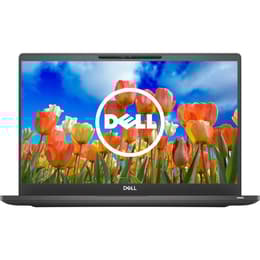
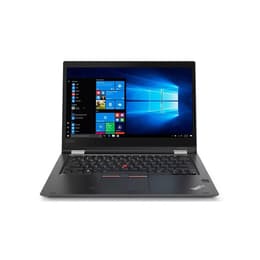


Dell Latitude 7300 13" Vs Lenovo ThinkPad X380 Yoga 13"

Dell Latitude 7300 13"
Starting at

Refurbished price:310.00

Versus €692.16 new

See options
Lenovo ThinkPad X380 Yoga 13"
Starting at

Refurbished price:230.00

Versus €1,299.00 new

See options

Ratings

The Dell Latitude 7300 13 and the Lenovo ThinkPad X380 Yoga 13 are business-oriented laptops, released in 2019 and 2018 respectively, designed for productivity and portability. While both offer robust performance and a compact form factor, the primary distinction lies in their design philosophy: the Latitude 7300 is a traditional clamshell notebook, whereas the ThinkPad X380 Yoga is a versatile 2-in-1 convertible with a touchscreen and integrated stylus. Both devices run on the Windows operating system, providing a familiar environment for most users.

Scores

Durability

When considering the long-term usability of these devices, their release timelines and design for business environments are key factors. The Dell Latitude 7300, launched in 2019, generally benefits from a slightly newer release date compared to the Lenovo ThinkPad X380 Yoga, which debuted in 2018.

  • Software Longevity: Both laptops, running Windows, receive ongoing operating system updates and security patches. The Dell Latitude 7300, being a year newer, may receive official Windows support for a slightly longer duration.
  • Repairability and Upgradability: The Dell Latitude 7300 offers user-upgradable RAM (up to 32GB via two SODIMM slots) and an accessible M.2 NVMe SSD, which can extend its practical lifespan by allowing for performance enhancements. In contrast, the Lenovo ThinkPad X380 Yoga features soldered RAM, limiting memory upgrades, though its SSD is user-replaceable.
  • Build Durability: Both models are built to withstand daily business use. The Latitude 7300 utilizes carbon fiber and magnesium or aluminum in its chassis, while the ThinkPad X380 Yoga features a carbon-fiber hybrid construction, with both passing MIL-SPEC durability tests, indicating a robust design.

Year of Release

2019

2017

OS

Windows 11

Windows 11

Performance

Both the Dell Latitude 7300 and the Lenovo ThinkPad X380 Yoga are equipped to handle demanding business applications and multitasking, though their configurations present some differences in overall responsiveness and capacity.

  • Processing Power: Both laptops feature current-generation processors from their respective release eras, enabling smooth operation for common office tasks, web browsing, and light content creation. Users can expect responsive application loading and efficient multitasking.
  • Memory and Storage: The Dell Latitude 7300 offers configurations with up to 32GB of RAM, which is beneficial for users who frequently run many applications simultaneously or work with large datasets. The ThinkPad X380 Yoga typically comes with 8GB or 16GB of RAM, which is sufficient for most productivity tasks but less flexible for future upgrades due to its soldered design. Both utilize fast NVMe SSD storage, ensuring quick boot times and rapid file access.
  • Battery Behavior: The Dell Latitude 7300 generally provides excellent battery life, often lasting 8-10 hours or more with power-efficient display options, making it suitable for extended workdays away from power outlets. The Lenovo ThinkPad X380 Yoga offers solid battery performance, typically around 8-9 hours of real-world use, and includes a RapidCharge feature for quick power replenishment.

Memory (GB)

16 GB

16 GB

Processor

Core i7 - Gen 8 (U)

Core i5 - Gen 8 (U)

Graphic card

Integrated Graphics

Integrated Graphics

Screen quality

The visual experience on both laptops is designed for productivity, with each offering a 13.3-inch display, but they cater to slightly different user interactions.

  • Display Technology and Resolution: Both devices typically feature Full HD (1920x1080) IPS displays, providing clear visuals and good viewing angles. The Latitude 7300 offers various panel options, including a low-wattage FHD display for improved battery efficiency, and some configurations may include touch. The ThinkPad X380 Yoga consistently features an FHD IPS touchscreen, which is central to its 2-in-1 functionality.
  • Brightness and Clarity: Both screens offer adequate brightness for indoor use, with the Latitude 7300's low-wattage option noted for good visibility. The ThinkPad X380 Yoga's screen is generally considered good, though some reviews suggest moderate brightness compared to top-tier competitors.
  • Interactive Experience: The ThinkPad X380 Yoga's 360-degree hinge and integrated, rechargeable ThinkPad Pen Pro provide a versatile interactive experience, allowing it to function as a tablet for note-taking and drawing. The Latitude 7300, while offering optional touchscreens, is primarily designed for traditional laptop use.

Resolution

1920 x 1080

1920 x 1080

Screen type

IPS

LCD

Audiovisual

For communication and media consumption, both laptops provide essential audio-visual capabilities suitable for business and general use.

  • Webcam and Microphone: Both the Dell Latitude 7300 and the Lenovo ThinkPad X380 Yoga typically include a 720p HD webcam, suitable for video conferencing and online meetings. The ThinkPad X380 Yoga also features dual-array microphones for clearer audio input.
  • Speaker Output: The Latitude 7300 is noted for above-average audio quality. The ThinkPad X380 Yoga's speakers are generally considered average for a 13-inch laptop, providing clear mids and highs but with limited bass.
  • Video Recording Features: Neither device is designed for professional video production, but their integrated webcams and microphones are sufficient for standard video calls and basic recording needs.

Miscellaneous

Beyond core performance, several practical elements differentiate these two business laptops, influencing their suitability for various user needs.

  • Connectivity Options: Both laptops offer a comprehensive selection of ports, including Thunderbolt 3 (USB-C) for high-speed data transfer and charging, multiple USB-A ports, and HDMI for external displays. The Latitude 7300 often includes a full-size Gigabit Ethernet port, while the ThinkPad X380 Yoga uses a mini-Ethernet port requiring an adapter. Both support modern Wi-Fi standards and Bluetooth.
  • Security Features: Both devices prioritize security with features like fingerprint readers and optional IR cameras for facial recognition. The ThinkPad X380 Yoga also includes a dTPM 2.0 chip for enhanced data protection.
  • Form Factor and Handling: The Dell Latitude 7300 is a traditional laptop, weighing around 1.24 kg (2.75 lbs), offering a solid and portable experience. The Lenovo ThinkPad X380 Yoga, at approximately 1.43 kg (3.15 lbs), is slightly heavier but provides the added flexibility of a 2-in-1 convertible design, allowing it to transform into a tablet or stand mode. Its integrated, rechargeable stylus enhances its utility for creative or note-taking tasks.

Weight

3000 g

1400 g

Screen size

13

13

User feedback for the Dell Latitude 7300 often highlights its strong performance, excellent battery life, comfortable keyboard, and generous port selection as key strengths. Some users have noted that the display brightness can be average on certain configurations and that the plastic trackpad might not feel as premium as glass alternatives. The Lenovo ThinkPad X380 Yoga receives praise for its outstanding keyboard, the versatility of its 2-in-1 design with an integrated stylus, and its robust build quality. Common criticisms include its battery life being good but not class-leading, moderate screen brightness, and the limitation of soldered RAM.

Users prioritizing a traditional, highly portable laptop with exceptional battery life and upgradable components may find the Dell Latitude 7300 well-suited to their needs. Those who require the flexibility of a 2-in-1 device for presentations, note-taking, or creative work, coupled with a renowned typing experience and integrated pen, may lean toward the Lenovo ThinkPad X380 Yoga. Both models offer reliable performance for business and academic use. For those considering these devices, exploring quality-assured refurbished options can provide a sustainable choice for acquiring a capable laptop.

See all articles

Our recent comparisons