
iPhone

Compare models
Differences at a glance
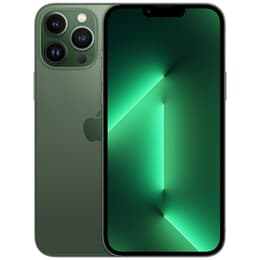
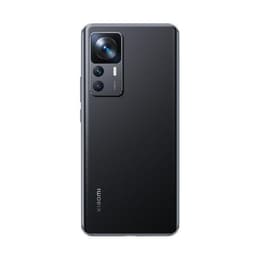
The iPhone 13 Pro, released in September 2021, and the Xiaomi 12T, launched in October 2022, are smartphones that cater to different user preferences within the mobile technology landscape. While the iPhone 13 Pro operates on Apple's iOS ecosystem, the Xiaomi 12T runs on Android, offering distinct user experiences. Key differentiators between these two devices include their display technologies, camera systems, and overall software philosophies.
Colour
Storage
The longevity of a smartphone is influenced by its release timeline, software support, and repairability.
Year of Release
Compatible with latest Update
OS
Foldable
Performance in daily use is a critical aspect, encompassing how smoothly applications run, multitasking capabilities, and overall system responsiveness.
The display is a primary interface for user interaction, and both devices offer distinct visual experiences.
Resolution
Screen type
Camera capabilities are a significant factor for many users, and both smartphones offer versatile systems for photography and videography.
Main camera
Front camera
Beyond core features, several practical elements contribute to the overall user experience and device utility.
Weight
Screen size (in)
Network
SIM card
Carrier compatibility
Connector
User feedback for the iPhone 13 Pro frequently highlights its exceptional camera system, particularly its low-light capabilities and advanced video features like Cinematic Mode. Users also praise its smooth 120Hz ProMotion display and reliable battery life, often lasting a full day. Common criticisms sometimes point to its proprietary Lightning port and the challenges associated with third-party repairs due to software limitations.
For the Xiaomi 12T, users often commend its large, vibrant AMOLED display with a 120Hz refresh rate, its impressive 108MP main camera, and its remarkably fast 120W wired charging, which can fully charge the device in a short period. Its long battery life is also a frequent positive. Some users have noted that the secondary cameras (ultrawide and macro) are less capable than the main sensor, and the software experience (MIUI) can sometimes be perceived as less refined compared to stock Android or iOS, with aggressive background app management.
Users prioritizing a compact device with a highly optimized software ecosystem, consistent camera performance across all lenses, and extended software support may find the iPhone 13 Pro well-suited to their needs. Its robust build and advanced video capabilities make it a strong choice for content creators and those deeply integrated into the Apple ecosystem.
Conversely, users who value a larger display, exceptionally fast charging, a high-resolution main camera, and a more open Android operating system will likely lean towards the Xiaomi 12T. Its strong battery life and overall performance make it a compelling option for heavy users and media consumers. Both devices offer distinct advantages, and choosing between them often comes down to individual priorities regarding operating system preference, camera versatility, and charging speed.









