

Compare models

Xiaomi 13T Vs Xiaomi Redmi Note 13 4G

  • 1-year minimum warranty
  • Free delivery on all orders
  • Free 30-day returns
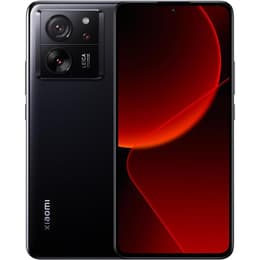
Xiaomi 13T
Starting at

Refurbished price:€222.00

Versus €630.00 new

See options
Xiaomi Redmi Note 13 4G
Starting at

Refurbished price:€174.00

Versus €340.00 new

See options

Differences at a glance

The Xiaomi 13T (2023) and the Xiaomi Redmi Note 13 4G (2024) represent two distinct tiers within the broader Android smartphone ecosystem, catering to different everyday requirements. While the Xiaomi 13T positions itself as a higher-end mid-range option with robust multimedia capabilities, the Redmi Note 13 4G focuses on essential everyday functionality at an accessible level. Both devices run on Android-based operating systems tailored by Xiaomi's custom user interface, yet they offer divergent processing power, display characteristics, and photographic tools.

Available Models

Colour

Storage

Scores

Durability

Evaluating the long-term viability of these devices reveals differences in release timelines, software update commitments, and anticipated hardware endurance.

  • Software support schedule: The Xiaomi 13T benefits from an extended software update policy covering multiple operating system upgrades, whereas the Redmi Note 13 4G typically follows a shorter update cycle, meaning the former will remain current on security patches for a longer duration.
  • Build materials and physical resilience: The Xiaomi 13T features water and dust resistance certifications designed to withstand accidental submersion, while the Redmi Note 13 4G offers basic splash resistance suitable for light everyday exposure.
  • Expected practical lifespan: Due to its robust internal configuration, the Xiaomi 13T is well-equipped to maintain responsive performance over several years of heavy multitasking, making it a sustainable choice for users seeking long-term reliability.

Year of Release

2023

2024

Compatible with latest Update

Yes

Yes

OS

Android

Android

Foldable

No

No

Performance

Performance capabilities vary significantly between these two models, impacting how they handle multitasking, resource-intensive applications, and battery preservation during daily routines.

  • App responsiveness and multitasking: The Xiaomi 13T handles demanding mobile games and rapid application switching smoothly without noticeable stutter, while the Redmi Note 13 4G manages standard messaging, social media, and web browsing efficiently but may slow down under heavy concurrent workloads.
  • Storage capacity and memory configurations: Both models provide ample internal storage space for apps and media files, though the Xiaomi 13T pairs its storage with higher memory bandwidth to keep background tasks active without reloading.
  • Battery behavior and daily endurance: Both devices comfortably complete a standard day of moderate use on a single charge, with rapid charging capabilities that replenish power quickly when plugged into a compatible adapter.

Screen quality

Display technology creates a noticeable distinction in visual clarity, outdoor visibility, and overall media consumption comfort between the two smartphones.

  • Panel technology and color reproduction: Both devices utilize vibrant display panels with deep contrast levels, but the Xiaomi 13T incorporates a higher peak brightness capability and wider color spectrum for enhanced outdoor legibility and photo editing.
  • Visual smoothness and refresh rates: The Xiaomi 13T features a high refresh rate panel that makes scrolling through web pages and user interfaces exceptionally fluid, matching the responsive fluid motion found on the Redmi Note 13 4G's own smooth display panel.
  • Screen dimensions and viewing space: Both phones offer large glass surfaces that provide immersive viewing areas for watching videos, reading documents, and navigating maps during travel.

Resolution

1220 x 2712

1080 x 2400

Screen type

AMOLED

AMOLED

Audiovisual

Photography and audio output capabilities reflect the intended market positioning of each device, influencing results in low-light environments and media playback.

  • Photographic hardware and versatility: The Xiaomi 13T includes a dedicated telephoto zoom lens alongside a high-resolution main sensor, allowing for clear distant shots, whereas the Redmi Note 13 4G relies on a standard main and utility sensor configuration for everyday snapshots.
  • Low-light and video recording performance: The Xiaomi 13T captures sharper details and balanced lighting in dim environments while supporting high-resolution video formats, while the Redmi Note 13 4G delivers adequate results primarily under well-lit conditions.
  • Audio output and speaker clarity: Both smartphones feature stereo speaker setups that provide clear sound for hands-free calls and casual video viewing, though neither includes a traditional 3.5mm headphone jack.

Main camera

50 megapixels

108 megapixels

Front camera

20 megapixels

16 megapixels

Miscellaneous

Practical day-to-day attributes such as connectivity standards, physical dimensions, and security sensors shape the overall user experience of each device.

  • Connectivity and network compatibility: The Xiaomi 13T supports modern high-speed cellular networks and advanced wireless connection protocols, while the Redmi Note 13 4G is limited to non-5G cellular speeds alongside standard local wireless connectivity.
  • Physical dimensions and weight handling: Both devices share comparable physical footprints, though subtle variations in weight and edge curvature influence how securely each phone rests in one hand.
  • Biometric security sensors: Both models integrate responsive under-display fingerprint scanners and facial recognition options to secure personal data and simplify device unlocking.

Weight

193 g

189 g

Screen size (in)

6.67

6.67

Network

5G

4G

SIM card

Dual Physical SIM

Dual Physical SIM

Carrier compatibility

Unlocked

Unlocked

Connector

USB-C

USB-C

What the community thinks

User feedback from online communities indicates that owners of the Xiaomi 13T frequently praise its fluid display performance, quick charging speeds, and capable multi-lens camera system. At the same time, some users note that its body can warm up during prolonged gaming sessions. Conversely, owners of the Xiaomi Redmi Note 13 4G highlight its dependable everyday battery life and clear screen quality as major positives, while pointing out that processing speeds can occasionally lag when running multiple heavy applications simultaneously.

Users prioritizing advanced photography, high-end processing power for gaming, and long-term software updates may prefer the Xiaomi 13T. Meanwhile, users focusing on straightforward daily communication, web browsing, and messaging will find the Redmi Note 13 4G well-suited to their needs. Consumers exploring quality-assured refurbished options can find both models as eco-friendly alternatives that reduce electronic waste while delivering certified functional reliability.