

Compare models
Google Pixel 9a Vs iPhone 17 Pro Max
- 1-year minimum warranty
- Free delivery on all orders
- Free 30-day returns
Differences at a glance
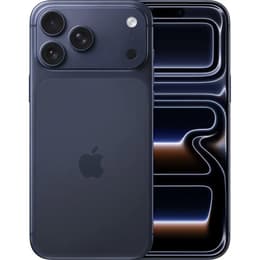
The Google Pixel 9a (2025) and the Apple iPhone 17 Pro Max (2025) represent entirely different tiers of the modern smartphone landscape, catering to divergent user needs and operating systems. While the Google Pixel 9a runs on Android and focuses on delivering streamlined everyday utility with a balanced footprint, the iPhone 17 Pro Max operates on iOS, offering a larger viewing canvas, a more expansive camera arrangement, and heavy-duty system capabilities. These two devices diverge significantly in physical scale, processing philosophy, and photographic versatility, making each suited to distinct daily workflows.
Available Models
Colour
Storage
Scores
Durability
Both smartphones are built to remain functional for years, though they approach long-term support and hardware resilience through different structural frameworks.
- Software Support Duration: The Google Pixel 9a benefits from an extended commitment of seven years of OS upgrades, matching the longevity framework of modern flagship lines. The iPhone 17 Pro Max receives Apple's traditional multi-year software cycle, generally spanning five to six years of iOS updates from its launch year.
- Build and Resilience: The iPhone 17 Pro Max utilizes robust unibody metallic framing alongside durable front glass protection, while the Google Pixel 9a balances a recycled aluminum frame with a streamlined rear finish. Both models carry official dust and water resistance ratings for everyday protection against minor spills.
- Practical Longevity: Users seeking an eco-friendly approach can find quality-assured refurbished options for both models, allowing consumers to extend device life cycles sustainably without compromising on structural integrity or daily software reliability.
Year of Release
2025
2025
Performance
System responsiveness and energy management vary considerably due to the internal hardware configuration and software optimization of each platform.
- App Loading and Multitasking: The Google Pixel 9a handles daily messaging, browsing, and standard media streaming smoothly with its balanced multi-core processor setup and 8GB of memory. The iPhone 17 Pro Max incorporates high-performance silicon paired with expanded memory capacity, managing demanding mobile games, intensive creative tasks, and split-screen workflows with high thermal efficiency.
- Battery Behavior: The Google Pixel 9a features a high-capacity power cell designed to easily clear a full day of mixed standard usage on a single charge. The iPhone 17 Pro Max leverages advanced power-efficient system design to sustain long hours of continuous media playback and heavy navigation.
- Storage Configurations: Both devices offer tiered internal storage capacities, letting users select configurations that best accommodate local file storage, offline media, and application libraries.
Screen quality
Viewing experiences differ sharply across both devices due to variances in panel dimensions, brightness output, and physical proportions.
- Display Technology: Both models utilize vibrant OLED panels that deliver deep black levels, high contrast ratios, and vivid color reproduction for everyday viewing tasks.
- Smoothness and Refresh Rate: Both devices support high refresh rates up to 120Hz, ensuring fluid scrolling through web pages, social feeds, and system menus.
- Size and Brightness: The Google Pixel 9a features a compact 6.3-inch screen suited for single-handed navigation and easy pocket storage. Conversely, the iPhone 17 Pro Max presents an expansive 6.9-inch display canvas paired with high peak outdoor brightness, making it well-suited for detailed media consumption and reading under direct sunlight.
Audiovisual
Imaging capabilities and media recording setups cater to different styles of visual capture and audio playback.
- Camera System Setup: The Google Pixel 9a relies on a dual rear configuration featuring a primary high-resolution sensor and an ultra-wide lens, producing natural colors and crisp everyday snapshots. The iPhone 17 Pro Max features a versatile multi-lens arrangement composed entirely of high-pixel sensors, adding flexible framing options and extensive optical zoom capabilities for distant subjects.
- Video and Low Light: Both devices capture steady video footage with broad dynamic range, while handling dim environments reliably through automated computational enhancements.
- Audio Output: Both models integrate stereo speaker arrays that deliver clear vocal projection and balanced sound output for hands-free calls and casual media streaming.
Miscellaneous
Physical dimensions and connectivity standards shape how each device fits into daily travel and accessory ecosystems.
- Dimensions and Weight: The Google Pixel 9a is lighter and more compact at 186 grams, making it comfortable for extended hand-held use. The iPhone 17 Pro Max has a heavier, larger footprint that provides a broad workspace at the cost of requiring two hands for comfortable reach.
- Connectivity and Ports: Both smartphones support modern 5G cellular networks, high-speed Wi-Fi standards, and Bluetooth connections for accessories. The Google Pixel 9a utilizes a standard USB-C port, while the iPhone 17 Pro Max employs a universal USB-C connector for wired data transfer and charging.
- Security Sensors: The Google Pixel 9a combines facial recognition with a biometric fingerprint sensor, whereas the iPhone 17 Pro Max relies exclusively on a secure facial mapping authentication system.
Screen size (in)
6.3
6.9
Network
5G
5G
SIM card
Physical SIM + eSIM
eSIM
Carrier compatibility
Unlocked
Unlocked
Connector
USB-C
USB-C
What the community thinks
User feedback from online communities highlights distinct preferences for each device based on everyday habits. Owners of the Google Pixel 9a frequently praise its comfortable single-handed design, robust battery endurance, and straightforward operating system interface. At the same time, some users note that its processing headroom is more tailored to daily tasks than intensive gaming. Conversely, users of the iPhone 17 Pro Max highlight its expansive display space, versatile multi-lens camera system, and sustained system speed as major advantages, though a few point out that its larger physical bulk requires an adjustment period during travel.
When deciding between these two options, alignment with personal workflow is essential. Users prioritizing a compact form factor, lightweight daily handling, and a straightforward interface will find the Google Pixel 9a well-suited to their needs. Meanwhile, users prioritizing an expansive viewing canvas, advanced photographic zoom versatility, and heavy-duty system performance will lean toward the iPhone 17 Pro Max. For consumers interested in a sustainable choice, exploring a quality-assured refurbished option provides an eco-friendly alternative to acquire either device while minimizing environmental impact.