

Microsoft Surface Laptop 3 13" Vs Microsoft Surface Pro 6 12"

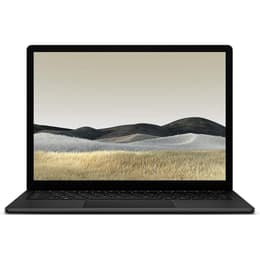
Microsoft Surface Laptop 3 13"
Starting at

Refurbished price:234.00

Versus €689.99 new

See options
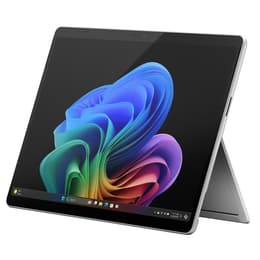
Microsoft Surface Pro 6 12"
Starting at

Refurbished price:424.00

Versus €899.00 new

See options

Ratings

The Microsoft Surface Laptop 3 13-inch (released in October 2019) and the Microsoft Surface Pro 6 12.3-inch (released in October 2018) are distinct devices within Microsoft's Surface ecosystem, each catering to different user preferences. The Surface Laptop 3 is a traditional clamshell laptop, while the Surface Pro 6 is a 2-in-1 detachable tablet. These devices offer varying form factors and features, with the Laptop 3 introducing a more modern processor and a USB-C port, while the Pro 6 emphasizes versatility with its tablet design and kickstand.

Scores

Durability

When considering the longevity of these devices, several factors come into play, including their release timelines, operating system support, and repairability.

  • Release Timeline and Software Support: The Surface Laptop 3, released in October 2019, benefits from a later launch, meaning it will likely receive software updates and security patches for a longer period compared to the Surface Pro 6, which was released a year earlier in October 2018. The Surface Pro 6 originally shipped with Windows 10 and is compatible with Windows 11, but its firmware and driver support ended in June 2023, and Windows 10 support is slated to end in October 2025. The Surface Laptop 3 also shipped with Windows 10 Home and can be upgraded to Windows 11.
  • Repairability: Microsoft's Surface devices have historically been challenging to repair. The Surface Pro 6 received a low repairability score of 1 out of 10 from iFixit, primarily due to its glued-in display and battery, and soldered components, making upgrades and repairs difficult. The Surface Laptop 3 marked an improvement in repairability, earning a score of 5 out of 10 from iFixit. Its SSD is designed to be removable, and the device is easier to open, though the battery remains glued in place.
  • Expected Practical Lifespan: While both devices are built with quality materials, the Surface Laptop 3's newer hardware and improved repairability suggest a potentially longer practical lifespan for users who might need component servicing or desire extended software support.

Year of Release

2019

2017

OS

Windows 11

Windows 11

Performance

The performance of these two Surface devices is influenced by their respective internal components, impacting how they handle everyday tasks and more demanding applications.

  • Processor Capabilities: The Surface Laptop 3 13-inch features 10th Generation Intel Core processors, offering improved speed and graphics performance compared to its predecessors. This allows for faster multitasking and smoother handling of various applications. The Surface Pro 6 is equipped with 8th Generation Intel Core processors. While still capable for general use, the Laptop 3's newer generation processor provides a noticeable boost in overall responsiveness and efficiency for more intensive workloads.
  • Memory and Storage: Both devices offer configurations with 8GB or 16GB of RAM, with the Surface Pro 6 utilizing LPDDR3 RAM and the Surface Laptop 3 featuring faster LPDDR4X RAM. Storage options for both include SSDs ranging from 128GB up to 1TB. The Surface Laptop 3's SSD is designed to be removable, offering a degree of serviceability not present in the Surface Pro 6, where the storage is soldered and not user-upgradable.
  • Battery Behavior: The Surface Laptop 3 is rated for up to 11.5 hours of typical device usage, with fast charging capabilities. The Surface Pro 6 offers a comparable battery life, with users reporting around 9 to 10 hours of use. Actual battery life will vary based on usage patterns and settings for both models.

Memory (GB)

8 GB

8 GB

Processor

Core i5 - Gen 10 (G7)

Core i5 - Gen 8 (U)

Graphic card

Integrated Graphics

Integrated Graphics

Screen quality

Both the Surface Laptop 3 and Surface Pro 6 feature high-quality displays, but there are subtle differences in their specifications and viewing experiences.

  • Display Technology and Resolution: Both devices utilize Microsoft's PixelSense display technology, known for its clarity and touch responsiveness. The Surface Laptop 3 13-inch has a 13.5-inch touchscreen with a resolution of 2256 x 1504 pixels, resulting in a pixel density of 201 ppi. The Surface Pro 6 features a 12.3-inch PixelSense display with a higher resolution of 2736 x 1824 pixels, leading to a pixel density of 267 ppi. Both displays have a 3:2 aspect ratio, which is beneficial for productivity tasks, offering more vertical screen real estate.
  • Brightness and Color Accuracy: The Surface Laptop 3's display offers good brightness, typically around 348-400 nits, and covers a significant portion of the sRGB color gamut, making it suitable for creative work. The Surface Pro 6's display is also bright and colorful, often reaching over 400 nits, with good color accuracy.
  • Viewing Experience: Both screens offer comfortable viewing angles and support 10-point multi-touch. The Surface Laptop 3's display can be reflective, which might be a consideration for outdoor use. The Surface Pro 6's display is praised for its sharpness and vibrant colors, making it well-suited for media consumption and detailed work.

Audiovisual

The camera and audio capabilities of the Surface Laptop 3 and Surface Pro 6 are designed to support communication and media consumption, with some distinctions in their camera setups.

  • Camera System: The Surface Laptop 3 features a 720p HD front-facing camera, which also supports Windows Hello facial recognition for secure login. The Surface Pro 6 includes a 5-megapixel front-facing camera with 1080p HD video capabilities, also supporting Windows Hello. Additionally, the Surface Pro 6 has an 8-megapixel rear-facing camera with 1080p full HD video recording and autofocus, offering more versatility for capturing photos and videos.
  • Microphone and Speaker Quality: Both devices are equipped with dual microphones, referred to as Studio Mics on the Surface Laptop 3, designed for clear audio during calls and dictation. They also feature stereo speakers with Dolby Audio, providing a good audio experience for media consumption.
  • Practical Use: The Surface Pro 6's rear camera offers an advantage for users who might occasionally need to capture documents or images in a tablet form factor. For video conferencing, both devices provide clear front-facing cameras and microphones.

Miscellaneous

Beyond core performance and display, several practical elements differentiate the Surface Laptop 3 and Surface Pro 6, influencing their usability in various scenarios.

  • Connectivity Options: The Surface Laptop 3 includes a USB-C port (with power delivery), a USB-A port, a 3.5mm headphone jack, and a Surface Connect port. It supports Wi-Fi 802.11ax and Bluetooth 5.0. The Surface Pro 6 features a full-size USB 3.0 port, a Mini DisplayPort, a 3.5mm headphone jack, a Surface Connect port, and a microSDXC card reader. It supports Wi-Fi 802.11ac and Bluetooth 4.1. The absence of a USB-C port on the Surface Pro 6 is a notable difference.
  • Form Factor and Handling: The Surface Laptop 3 is a traditional clamshell laptop, weighing around 2.76 to 2.9 pounds for the 13.5-inch model. It offers a comfortable keyboard and a larger trackpad. The Surface Pro 6 is a 2-in-1 detachable tablet, weighing about 1.7 pounds as a tablet and 2.4 pounds with the optional Type Cover keyboard. Its built-in kickstand allows for versatile positioning.
  • Build Materials and Security: The Surface Laptop 3 is available with an all-metal chassis or with an Alcantara fabric finish around the keyboard. Both devices feature Windows Hello facial recognition for secure login.

Weight

3000 g

1120 g

Screen size

13

12

The Microsoft Surface Laptop 3 13-inch and Surface Pro 6 12.3-inch cater to distinct user needs, with each device offering a unique blend of features and form factors. User feedback often highlights the Surface Laptop 3's traditional laptop experience, praising its comfortable keyboard and trackpad, making it a solid choice for extended typing sessions and general productivity. Its more modern processor also contributes to a smoother overall experience for many users. Some common observations for the Laptop 3 include its reflective screen and the initial lack of Thunderbolt 3, though the inclusion of USB-C was a welcome addition.

The Surface Pro 6, on the other hand, is frequently lauded for its versatility as a 2-in-1 device, seamlessly transitioning between a tablet and a laptop with its integrated kickstand and detachable keyboard. Users appreciate its vibrant and sharp display, which is well-suited for media consumption and stylus input. A recurring criticism for the Surface Pro 6 is the absence of a USB-C port, which limits modern connectivity options, and its low repairability score.

Users prioritizing a traditional laptop experience with a comfortable keyboard and a slightly more modern processor for everyday tasks may find the Surface Laptop 3 13-inch to be a better fit. Its improved repairability also offers a degree of future-proofing. Conversely, individuals who value the flexibility of a 2-in-1 device, frequent tablet use, and pen input, despite the older processor and limited port selection, might lean towards the Surface Pro 6 12.3-inch. Both devices offer a quality-assured refurbished option, providing an eco-friendly alternative for those seeking reliable technology.


See all articles

Our recent comparisons