

Microsoft Surface Laptop 3 13" Vs Microsoft Surface Laptop 5 15"

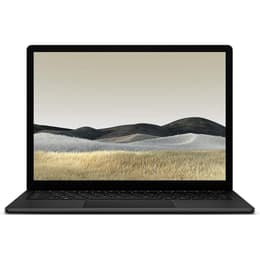
Microsoft Surface Laptop 3 13"
Starting at

Refurbished price:234.00

Versus €689.99 new

See options
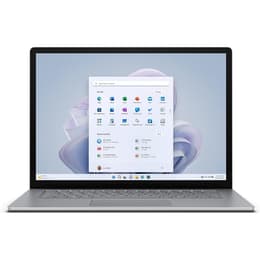
Microsoft Surface Laptop 5 15"
Starting at

Refurbished price:1,290.00

Versus €1,832.85 new

See options

Ratings

The Microsoft Surface Laptop 3 13-inch, released in October 2019, and the Microsoft Surface Laptop 5 15-inch, launched in October 2022, represent different generations and size categories within Microsoft's premium laptop line. While both offer a refined user experience with the Windows operating system, key distinctions lie in their processing power, display size, and modern connectivity options.

Scores

Durability

When considering the longevity of these devices, their release timelines and design philosophies offer different expectations for practical lifespan and software support.

  • Release Timeline & OS Support: The Surface Laptop 3, being an older model from 2019, initially shipped with Windows 10 and is upgradable to Windows 11. Its software support window will naturally close sooner than the Surface Laptop 5, which launched with Windows 11 in 2022. Users prioritizing the longest possible official software updates will find the newer model more suitable.
  • Repairability: The SSD in the Surface Laptop 3 is designed to be removable by a skilled technician, rather than a user. The Surface Laptop 5, particularly its commercial version, was designed with easier repairability in mind, featuring components like the SSD, display, battery, and motherboard that are more readily replaceable.
  • Expected Practical Lifespan: Both laptops are known for their solid build quality, suggesting physical durability. However, the Surface Laptop 5's more modern internal components and longer software support window mean it is likely to remain capable and secure for a longer period, especially for demanding tasks.

Year of Release

2019

2022

OS

Windows 11

Windows 11

Performance

The performance capabilities of these two laptops reflect their respective generations, impacting how they handle daily tasks, multitasking, and more intensive applications.

  • Processing Power: The Surface Laptop 3 features 10th-generation Intel Core processors, which provide capable performance for everyday productivity, web browsing, and word processing. The Surface Laptop 5, on the other hand, is equipped with 12th-generation Intel Core processors, offering a noticeable boost in speed and efficiency for more demanding applications and smoother multitasking.
  • Multitasking & Responsiveness: While the Surface Laptop 3 handles typical office tasks well, the Surface Laptop 5's newer processor and faster LPDDR5x RAM contribute to snappier performance across multiple applications and more complex workflows. Users engaging in heavy multitasking or light content creation will experience a more fluid operation on the newer model.
  • Battery Behavior: The Surface Laptop 3 typically offers around 9 to 11.5 hours of battery life under general usage, with real-world usage often falling between 6 to 9 hours depending on the intensity of tasks. The 15-inch Surface Laptop 5 is rated for up to 17 hours of typical device usage, though real-world tests often show around 9 hours for web browsing or 8.25 hours for video playback. Some users have reported closer to 5-7 hours in practical use for the Surface Laptop 5.

Memory (GB)

8 GB

16 GB

Processor

Core i5 - Gen 10 (G7)

Core i7-1255U

Graphic card

Integrated Graphics

Integrated Graphics

Screen quality

The visual experience on both Surface Laptops is a highlight, though they differ in size and some display technologies.

  • Display Technology & Resolution: Both models feature Microsoft's PixelSense touch displays with a productivity-friendly 3:2 aspect ratio and a pixel density of 201 PPI, ensuring sharp text and clear images. The Surface Laptop 3 has a 13.5-inch screen with a 2256 x 1504 resolution, while the Surface Laptop 5 offers a larger 15-inch screen with a 2496 x 1664 resolution, providing more screen real estate.
  • Brightness & Color: The Surface Laptop 3's display offers good brightness, typically ranging from 348 to 405 nits, and covers a wide sRGB color gamut (90-98%), making it suitable for creative work. The Surface Laptop 5's 15-inch display also provides strong brightness, around 391-403 nits, and includes support for Dolby Vision IQ, enhancing HDR content.
  • Refresh Rate & Viewing Experience: Both laptops feature a standard 60Hz refresh rate. The Surface Laptop 3's display is noted for its good contrast and vivid colors. The Surface Laptop 5's larger screen is beneficial for split-screen multitasking, though some reviews mention its bezels appear thicker compared to more modern designs. The Surface Laptop 5's display uses PWM for brightness adjustment below 110 nits, though at a high frequency that is generally undetectable to most users.

Audiovisual

The audio and visual capabilities are important for communication and media consumption, with both devices offering a consistent experience in some areas and improvements in others.

  • Webcam Quality: Both the Surface Laptop 3 and Surface Laptop 5 are equipped with a 720p HD front-facing webcam. While functional for video calls, this resolution is considered dated by many users, especially for a premium laptop released in 2022.
  • Microphone & Speakers: Both models feature dual far-field Studio Mics for clear voice capture during calls and recordings. The Surface Laptop 3 includes Omnisonic Speakers with Dolby Audio. The Surface Laptop 5 enhances this with Omnisonic Speakers supporting Dolby Atmos, which reviewers have described as providing a rich audio experience.
  • Media Consumption: For media consumption, the Surface Laptop 5's larger screen and enhanced audio system may offer a more immersive experience, despite the webcam's resolution.

Miscellaneous

Beyond core performance and display, several practical elements contribute to the overall user experience and connectivity of these laptops.

  • Connectivity Options: The Surface Laptop 3 includes one USB-C port (without Thunderbolt support), one USB-A port, a 3.5mm headphone jack, and a Surface Connect port. It supports Wi-Fi 6 on the 13.5-inch model and Wi-Fi 5 on the 15-inch model, along with Bluetooth 5.0. The Surface Laptop 5 upgrades the USB-C port to include Thunderbolt 4 support, alongside a USB-A port, a 3.5mm headphone jack, and the Surface Connect port. It features Wi-Fi 6 and Bluetooth 5.1.
  • Physical Design & Materials: The Surface Laptop 3 (13.5-inch) weighs between 1.25 kg and 1.29 kg, with dimensions of approximately 30.8 x 22.3 x 1.45 cm. It is available with either an aluminum casing or an Alcantara fabric keyboard deck. The Surface Laptop 5 (15-inch) is heavier at 1.56 kg and larger, measuring around 34 x 24.4 x 1.47 cm, and features an all-aluminum build.
  • Security & Sensors: Both laptops incorporate Windows Hello facial recognition for secure and convenient login. Neither model includes a fingerprint sensor.

Weight

3000 g

1297 g

Screen size

13

15

The Microsoft Surface Laptop 3 13-inch and Surface Laptop 5 15-inch cater to slightly different user needs, primarily due to their generational differences and screen sizes. The Surface Laptop 3, while an older model, is often praised for its elegant design, sharp display, and comfortable keyboard, offering solid performance for general productivity tasks of its era. Common criticisms for the Surface Laptop 3 included its limited port selection, particularly the absence of Thunderbolt, and bezels that were considered somewhat thick even at its release.

The Surface Laptop 5 15-inch builds on this foundation with a larger display and more modern internal components, including a faster processor and Thunderbolt 4 connectivity. Users frequently commend its comfortable keyboard, enhanced audio experience, and bright, crisp display. However, it has faced criticism for retaining a 720p webcam, which is considered outdated for a contemporary premium laptop, and for its relatively thick display bezels. Some users also note that its real-world battery life might not always meet the stated figures, and its U-series processor, while efficient, has a performance ceiling for very demanding tasks.

Users prioritizing a compact and lightweight device for everyday tasks, who appreciate a classic design and do not require the absolute latest in connectivity, may find the Surface Laptop 3 13-inch well-suited to their needs. For those who require a larger screen for enhanced multitasking, benefit from more robust processing power for demanding applications, and need modern connectivity like Thunderbolt 4 for external peripherals, the Surface Laptop 5 15-inch is the more appropriate choice. Both models offer a quality-assured refurbished option, providing an eco-friendly alternative for consumers seeking reliable technology.

See all articles

Our recent comparisons