iPhone

Compare models
Differences at a glance
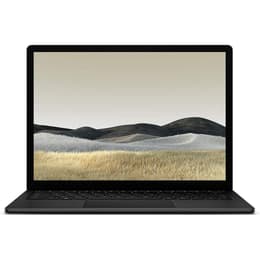
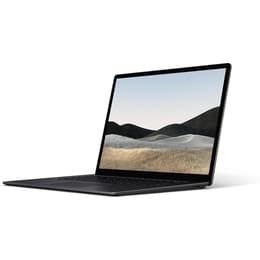
The Microsoft Surface Laptop 3 (2019) and Microsoft Surface Laptop 4 (2021) are 13-inch portable Windows laptops built for everyday productivity, administrative tasks, and professional workflows. While both devices share a sleek chassis design and run the same operating system ecosystem, the newer model introduces internal revisions that refine processing capabilities and energy efficiency. Choosing between these two generations depends on whether users prioritize fundamental everyday computing or extended operational endurance during mobile use.
Storage
Processor
Memory
When evaluating the practical lifespan of these two Windows laptops, release timelines and software update windows are primary considerations.
Year of Release
OS
Internal hardware differences create distinct operational boundaries for multitasking, application speed, and battery endurance between these two generations.
Graphic card
Both laptops feature identical display specifications, delivering an identical visual experience for document editing, media consumption, and web browsing.
Audio-visual hardware remains largely consistent across both generations, focusing on functional everyday communication tools.
Physical dimensions and connectivity options remain remarkably similar, preserving cross-compatibility with standard desktop accessories.
Weight
Screen size
Community discussions highlight that users transitioning to the Surface Laptop 3 appreciate its sturdy build quality and dependable performance for basic web browsing and office tasks. Frequent feedback notes that while the older processor handles daily workloads adequately, heavy multitasking can push its limits under intensive routines. Conversely, users of the Surface Laptop 4 frequently praise its noticeably swifter system responsiveness and superior battery endurance, though some note that base configurations with limited random access memory require careful management during heavy browser usage.
Users prioritizing maximum battery endurance and swift multitasking execution will find the Surface Laptop 4 well-suited to their mobile workflows. Meanwhile, users focusing on standard document editing and general web tasks may find the Surface Laptop 3 meets their everyday needs without requiring newer hardware. Exploring a quality-assured refurbished option provides a sustainable choice that aligns electronic longevity with eco-friendly purchasing goals.