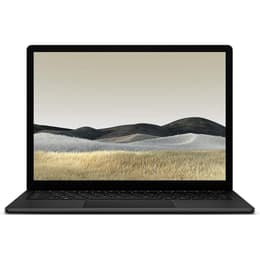


Dell Latitude 5310 13" Vs Microsoft Surface Laptop 3 13"

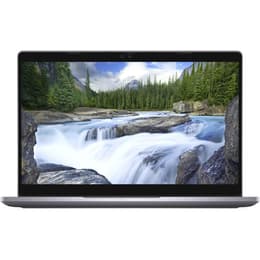
Dell Latitude 5310 13"
Starting at

Refurbished price:240.00

Versus €1,099.00 new

See options
Microsoft Surface Laptop 3 13"
Starting at

Refurbished price:234.00

Versus €689.99 new

See options

Ratings

The Dell Latitude 5310 13 (2020) and the Microsoft Surface Laptop 3 13 (2019) are both 13-inch class laptops running the Windows operating system, designed for productivity and portability. While the Latitude prioritizes business-centric features, robust connectivity, and repairability, the Surface Laptop 3 emphasizes a premium design and a high-resolution display. Both offer a familiar Windows experience, but cater to slightly different user needs.

Scores

Durability

The release timeline of these devices impacts their expected software support and overall longevity. The Dell Latitude 5310 13 was released in 2020, making it a year newer than the Microsoft Surface Laptop 3 13, which debuted in 2019.

  • Software Updates: The Latitude 5310, being a more recent model, is likely to receive operating system and security updates for a slightly longer duration, potentially extending its usable life by an additional year compared to the Surface Laptop 3.
  • Repairability: Dell's Latitude series generally offers more accessible internal components for maintenance and upgrades, which can contribute to a longer practical lifespan for users who prefer to service their devices. The Surface Laptop 3, while showing improved repairability over its predecessors, still presents challenges for user-level repairs due to its integrated design.
  • Expected Practical Lifespan: Both devices are built for daily use. The Latitude 5310's design focuses on functional robustness, while the Surface Laptop 3 features a premium aluminum chassis that is durable for typical wear and tear.

Year of Release

2020

2019

OS

Windows 11

Windows 11

Performance

Both laptops are equipped with 10th generation Intel processors, providing capable performance for everyday tasks and moderate workloads. Their performance differences often stem from configuration options and how they manage sustained operation.

  • Everyday Responsiveness: Both devices handle common tasks such as web browsing, document editing, and video streaming smoothly. Users can expect quick application loading and efficient multitasking for standard productivity software.
  • Multitasking Capabilities: The Latitude 5310 can be configured with up to 32GB or even 64GB of system memory, offering substantial headroom for users who frequently run numerous applications simultaneously or work with memory-intensive software. The Surface Laptop 3 typically comes with 8GB or 16GB of system memory, which is sufficient for most users but offers less flexibility for extreme multitasking.
  • Battery Behavior: The Dell Latitude 5310 often features a larger battery capacity (up to 60Wh) and is noted for its long battery life, with some configurations offering over 12 hours of usage for web browsing or video playback. The Surface Laptop 3 also provides good battery life, typically lasting around 9 to 10 hours in web surfing tests.

Memory (GB)

8 GB

8 GB

Processor

Core i5 - Gen 10 (U)

Core i5 - Gen 10 (G7)

Graphic card

Integrated Graphics

Integrated Graphics

Screen quality

The display is a significant differentiating factor, with each laptop offering a distinct visual experience tailored to different user preferences.

  • Display Technology and Resolution: The Surface Laptop 3 features a 13.5-inch PixelSense display with a higher resolution of 2256 x 1504 pixels and a 3:2 aspect ratio, providing a sharper image and more vertical screen real estate for productivity tasks. The Latitude 5310 typically offers a 13.3-inch Full HD (1920 x 1080 pixels) IPS display, which provides clear visuals for most tasks but is less pixel-dense.
  • Brightness and Clarity: The Surface Laptop 3's display generally offers vibrant colors and good brightness, reaching around 348 nits, making it suitable for various indoor and some outdoor lighting conditions. The Latitude 5310's display provides adequate brightness, typically around 300 nits, for office environments.
  • Touch and Pen Support: The Surface Laptop 3's PixelSense display is designed for 10-point multi-touch input and supports the Surface Pen, enhancing its versatility for creative tasks or note-taking. While some Latitude 5310 configurations offer touchscreens, pen support is less central to its design.

Audiovisual

Both laptops include integrated cameras and audio systems that are suitable for video conferencing and casual media consumption, though with some variations in their capabilities.

  • Webcam Performance: Both devices feature a front-facing webcam, typically 720p, which is adequate for video calls in well-lit environments. The focus for both is on functional communication rather than high-fidelity photography. The Latitude 5310 also offers a physical camera shutter for enhanced privacy.
  • Audio Output: The Surface Laptop 3 is noted for its clear speaker output, providing a good experience for video playback and online meetings. The Latitude 5310 also offers integrated speakers that are suitable for general use, with audio quality typical for a business-oriented laptop.
  • Microphone Quality: Both laptops incorporate microphones designed to capture voice clearly during video conferences, ensuring reliable audio input for virtual meetings and voice commands.

Miscellaneous

These laptops present distinct approaches to connectivity, design, and user interaction, reflecting their target audiences and design philosophies.

  • Port Selection: The Dell Latitude 5310 offers a more comprehensive range of ports, including multiple USB-A and USB-C ports (with optional Thunderbolt 3), HDMI, and a microSD card reader, providing extensive connectivity for peripherals and external displays without requiring adapters. The Surface Laptop 3 features a more streamlined port selection with one USB-C, one USB-A, and a headphone jack, which may necessitate adapters for diverse connectivity needs.
  • Design and Materials: The Surface Laptop 3 features a premium aluminum chassis with an option for an Alcantara-covered keyboard deck, offering a sleek and refined aesthetic. The Latitude 5310, while durable, has a more utilitarian design, often utilizing robust plastics or magnesium and a traditional laptop form factor, with some configurations offering a 2-in-1 convertible design.
  • Biometric Security: Both devices offer modern security features. The Latitude 5310 often includes an optional fingerprint reader and an IR camera for Windows Hello facial recognition. The Surface Laptop 3 primarily relies on Windows Hello facial recognition for secure login.

Weight

1240 g

3000 g

Screen size

13

13

Users often praise the Microsoft Surface Laptop 3 13 for its elegant design, high-resolution display, and comfortable keyboard, making it a popular choice for everyday productivity and media consumption. Some users, however, note its more limited port selection and less straightforward repairability as potential drawbacks compared to some competitors.

The Dell Latitude 5310 13 is frequently lauded for its robust build, extensive port options, and business-centric security features, appealing to professionals and students who require versatile connectivity and durability. Criticisms sometimes point to its more functional, less premium aesthetic compared to some consumer-focused devices.

For users prioritizing a premium design, a sharp, touch-enabled display, and a streamlined user experience, the Microsoft Surface Laptop 3 13 may be a more suitable option. Conversely, individuals who require a wider array of physical ports, greater upgradeability, and a focus on business-grade security and durability might find the Dell Latitude 5310 13 better aligns with their needs. Both devices offer a reliable Windows experience, and considering a quality-assured refurbished option for either can be an eco-friendly alternative for those seeking a dependable laptop.
See all articles

Our recent comparisons