

Lenovo ThinkPad T14 G1 14" Vs Microsoft Surface Laptop 3 13"

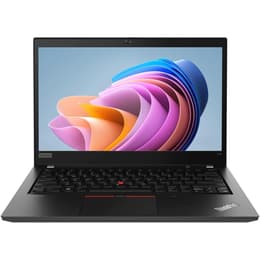
Lenovo ThinkPad T14 G1 14"
Starting at

Refurbished price:262.00

Versus €612.00 new

See options
Microsoft Surface Laptop 3 13"
Starting at

Refurbished price:234.00

Versus €689.99 new

See options

Ratings

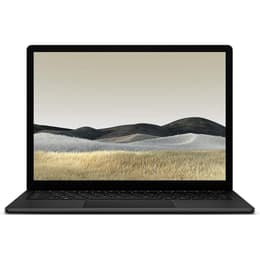
The Lenovo ThinkPad T14 Gen 1, a business-oriented laptop released in 2020, and the Microsoft Surface Laptop 3 13-inch, launched in late 2019, are both designed for productivity and portability. While the ThinkPad T14 Gen 1 emphasizes robust build quality and extensive connectivity, the Surface Laptop 3 13-inch offers a premium design and a high-resolution touchscreen experience. Both devices operate on the Windows platform, providing a familiar software environment for users.

Scores

Durability

When considering the long-term usability of these laptops, several factors contribute to their expected lifespan, including software support and physical resilience.

  • Release Timeline and OS Support: The ThinkPad T14 Gen 1 was released in 2020, while the Surface Laptop 3 13-inch debuted in late 2019. Both devices shipped with Windows 10 and are upgradeable to Windows 11, ensuring continued software support for several years.
  • Repairability: The ThinkPad series is generally known for its repair-friendly design, often allowing for easier component replacement. The Surface Laptop 3 13-inch marked an improvement in repairability for Microsoft, with an iFixit score of 5 out of 10, allowing for easier SSD replacement by a skilled technician, though the battery remains challenging to replace.
  • Physical Durability: The ThinkPad T14 Gen 1 is built to MIL-STD-810G military standards, indicating a high level of resistance to environmental stresses. The Surface Laptop 3 features a durable all-metal chassis, with some configurations offering an Alcantara fabric finish.

Year of Release

2019

2019

OS

Windows 11

Windows 11

Performance

Both laptops offer capable performance for everyday computing tasks, though their approaches to internal hardware and user experience differ.

  • Processor Capabilities: The ThinkPad T14 Gen 1 is available with 10th Generation Intel Core processors or AMD Ryzen Pro processors, providing solid performance for demanding applications and multitasking. The Surface Laptop 3 13-inch also features 10th Generation Intel Core processors, which handle general use, web browsing, and office applications smoothly.
  • Memory and Storage: The ThinkPad T14 Gen 1 offers flexible memory configurations, with some RAM soldered and an additional slot for expansion, supporting up to 48GB of total memory, beneficial for heavy multitasking. It supports up to 2TB PCIe SSD storage. The Surface Laptop 3 13-inch comes with 8GB or 16GB of RAM and SSD storage options up to 1TB.
  • Battery Behavior: The ThinkPad T14 Gen 1 typically offers up to 8 hours of use on a single charge, depending on the battery option and workload. The Surface Laptop 3 13-inch generally provides around 9 to 10 hours of battery life during continuous web surfing, with fast-charging capabilities.

Memory (GB)

16 GB

8 GB

Processor

Core i5 - Gen 10 (U)

Core i5 - Gen 10 (G7)

Graphic card

Intel HD Graphics

Integrated Graphics

Screen quality

The display is a primary interface for any laptop, and both models offer distinct visual experiences tailored to different user preferences.

  • Display Technology and Resolution: The ThinkPad T14 Gen 1 offers a range of 14-inch display options, including various Full HD (1920x1080) IPS panels, some with touch capability, and even a 4K UHD (3840x2160) IPS option. The Surface Laptop 3 13-inch features a 13.5-inch PixelSense touchscreen with a resolution of 2256 x 1504 pixels, resulting in a 3:2 aspect ratio.
  • Brightness and Clarity: The Surface Laptop 3's display is noted for its brightness, reaching around 348-400 nits, and its high pixel density of 201 ppi ensures sharp text and graphics. The ThinkPad T14 Gen 1's Full HD IPS panels offer good clarity, with some options providing up to 500 nits of brightness.
  • Aspect Ratio and Viewing Experience: The Surface Laptop 3's 3:2 aspect ratio provides more vertical screen space, which can be beneficial for document work and web browsing. The ThinkPad T14 Gen 1's 16:9 aspect ratio is more common for media consumption and side-by-side application use.

Audiovisual

For communication and media consumption, both laptops integrate essential audio and visual components, with varying strengths.

  • Webcam Quality: The ThinkPad T14 Gen 1 includes an HD 720p webcam, often accompanied by a ThinkShutter for privacy. The Surface Laptop 3 also features a 720p front-facing camera, which is generally considered good for video calls, especially compared to many other Windows laptops of its era.
  • Microphone Performance: The ThinkPad T14 Gen 1 is equipped with dual-array far-field microphones for clear audio input. The Surface Laptop 3 features dual Studio Mics, specifically tuned for voice, which contribute to improved audio quality for calls and online meetings.
  • Speaker Output: Both laptops feature stereo speakers. The ThinkPad T14 Gen 1 includes Dolby Audio enhancement for its speakers. The Surface Laptop 3's speakers are integrated and provide adequate sound for general media consumption, though some users note they are not exceptionally loud.

Miscellaneous

Beyond core performance, several practical elements influence the daily usability and overall experience of these laptops.

  • Connectivity Options: The ThinkPad T14 Gen 1 offers a comprehensive selection of ports, including multiple USB-A and USB-C ports (with Thunderbolt 3 on Intel models), HDMI, Ethernet, and a microSD card reader, catering to a wide range of peripherals and external displays. The Surface Laptop 3 13-inch provides a USB-A port, a USB-C port (supporting power delivery and display out), a headphone jack, and a Surface Connect port, but notably lacks Thunderbolt 3.
  • Weight and Dimensions: The ThinkPad T14 Gen 1 starts at approximately 1.46 kg (3.23 lbs) and measures 329 x 227 x 17.9 mm. The Surface Laptop 3 13-inch is lighter and more compact, starting at around 1.25 kg (2.76 lbs) with dimensions of 308 x 223 x 14.5 mm, making it highly portable.
  • Security and Input: The ThinkPad T14 Gen 1 includes features like a fingerprint reader, ThinkShutter camera cover, and optional IR camera for Windows Hello. The Surface Laptop 3 supports Windows Hello facial recognition and features a comfortable keyboard and a large, responsive trackpad.

Weight

2500 g

3000 g

Screen size

14

13

User feedback for the Lenovo ThinkPad T14 Gen 1 often praises its robust build, extensive port selection, and the comfortable typing experience characteristic of ThinkPads. Users appreciate its reliability and suitability for demanding professional environments. Some common observations include its slightly thicker and heavier design compared to more consumer-focused ultrabooks, and that certain display options may not be as vibrant as those on competing devices.

The Microsoft Surface Laptop 3 13-inch is frequently lauded for its sleek, premium design, high-resolution touchscreen with a productivity-friendly 3:2 aspect ratio, and comfortable keyboard. Users generally find its battery life sufficient for a full day of typical use. Points of discussion sometimes revolve around its more limited port selection, particularly the absence of Thunderbolt 3, and the fact that its 720p webcam, while good for its class, isn't Full HD.

Users prioritizing a highly durable machine with a wide array of connectivity options and a focus on business-grade features may find the ThinkPad T14 Gen 1 well-suited to their needs. Conversely, those who value a more compact, aesthetically refined device with a high-quality touchscreen and strong battery life for general productivity and media consumption might lean toward the Surface Laptop 3 13-inch. Both laptops offer a solid Windows experience, and considering a quality-assured refurbished option for either model can provide an eco-friendly alternative for informed purchasing decisions.


See all articles

Our recent comparisons