

Compare models

Google Pixel Fold Vs iPhone 17 Pro Max

  • 1-year minimum warranty
  • Free delivery on all orders
  • Free 30-day returns
iPhone 17 Pro Max
Starting at

Refurbished price:1,123.00

Versus €1,489.00 new

See options

Differences at a glance

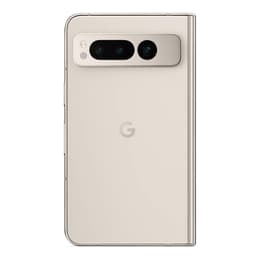
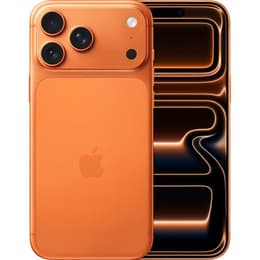
The Google Pixel Fold (2023) and the iPhone 17 Pro Max (2025) represent two distinct approaches to high-end mobile technology, offering users a choice between a foldable screen layout and a traditional slab design. While the Google Pixel Fold introduces a dual-screen experience that opens into a tablet-sized workspace, the iPhone 17 Pro Max focuses on refinement within a large, conventional smartphone form factor. Operating on Android and iOS respectively, these devices cater to very different preferences in daily navigation and software ecosystems. Ultimately, the primary differentiator lies in whether a user prefers a transformable folding display or a standard, highly polished flagship experience.

Available Models

Colour

Storage (GB)

Scores

Durability

When examining longevity, differences in release timelines and software support policies mean these devices will maintain functional relevance over different timeframes.

  • Software Support Duration: The Google Pixel Fold follows a multi-year update path typical of its release year, while the newer iPhone 17 Pro Max benefits from an extended Apple support window that ensures long-term operating system updates and security patches.
  • Repairability and Build: Both devices feature complex engineering, with the foldable hinge mechanism of the Pixel Fold requiring careful handling compared to the solid, unibody construction of the iPhone 17 Pro Max.

Year of Release

2023

2025

Compatible with latest Update

Yes

Yes

OS

Android

iOS

Foldable

Yes

No

Performance

Processing capabilities and day-to-day operation differ significantly based on hardware architecture and memory management.

  • Multitasking and Responsiveness: Both devices handle demanding applications, intensive gaming, and split-screen workflows smoothly, though the Pixel Fold is specifically optimized to run multiple apps simultaneously on its expanded inner screen.
  • Storage and Battery Behavior: The iPhone 17 Pro Max offers extensive storage configurations and energy-efficient processing that typically stretches battery life through a full day of heavy mixed use, while the Pixel Fold's dual-screen setup draws extra power during extended tablet-mode sessions.

Screen quality

Display technology is the most dramatic point of divergence between these two devices, altering how media and apps are consumed.

  • Display Technology: The Google Pixel Fold provides an outer screen for standard tasks and unfolds into a large OLED inner display, whereas the iPhone 17 Pro Max utilizes a single, highly vibrant OLED panel with high peak brightness for outdoor legibility.
  • Refresh Rate and Fluidity: Both models support smooth high refresh rates that ensure fluid scrolling, responsive touch tracking, and seamless transitions across all menus and applications.

Resolution

1840 x 2208

2868x1320

Screen type

Foldable OLED

Super Retina XDR

Audiovisual

Photography and media recording hardware offer versatile toolsets for capturing everyday moments and professional-grade video.

  • Imaging Capabilities: Both smartphones include versatile multi-lens rear camera arrays that deliver detailed everyday photos and sharp low-light performance through computational photography processing.
  • Video and Audio Output: The iPhone 17 Pro Max is widely recognized for steady, high-resolution video recording and balanced stereo speakers, while the Pixel Fold matches it with clear microphone arrays and robust media playback across its unique screen formats.

Main camera

48 megapixels

48 megapixels

Front camera

8 megapixels

18 megapixels

Miscellaneous

Physical handling, connectivity standards, and daily convenience features shape the overall user experience.

  • Connectivity and Ports: Both devices support modern 5G networks and fast Wi-Fi standards, utilizing distinct proprietary or universal port connections for charging and data transfer.
  • Physical Dimensions and Weight: The Pixel Fold is heavier and thicker when folded due to its hinge and dual screens, whereas the iPhone 17 Pro Max maintains a thinner, more traditional slab profile despite its large screen size.

Weight

283 g

233 g

Screen size (in)

7.6

6.9

Network

5G

5G

SIM card

Physical SIM + eSIM

eSIM

Carrier compatibility

Unlocked

Unlocked

What the community thinks

User discussions across online forums highlight distinct patterns of praise and common concerns for each device. Owners of the Google Pixel Fold frequently praise the versatility of the large inner screen for reading, multitasking, and media viewing, while noting that the heavier weight and visible screen crease take some adjustment. Conversely, users of the iPhone 17 Pro Max often commend its dependable battery endurance, robust build quality, and smooth ecosystem integration, though some mention the large physical footprint can feel unwieldy for one-handed use.

Users prioritizing multitasking workspace and a tablet-sized display in a pocketable format may prefer the Google Pixel Fold. Meanwhile, users prioritizing a traditional form factor, long-term software support, and reliable battery longevity will likely lean toward the iPhone 17 Pro Max. For buyers seeking a sustainable choice, opting for a quality-assured refurbished option through Back Market provides an eco-friendly alternative that reduces electronic waste without compromising on functional performance. Ultimately, the right choice depends on whether daily habits favor a flexible dual-screen layout or a refined, conventional smartphone design.