
Compare models

iPhone Air Vs Xiaomi Redmi Note 14 Pro

  • 1-year minimum warranty
  • Free delivery on all orders
  • Free 30-day returns
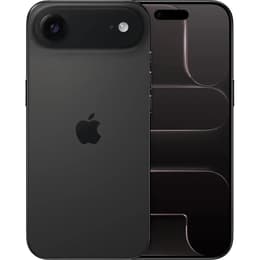
iPhone Air
Starting at

Refurbished price:739.00

Versus €1,339.00 new

See options
Xiaomi Redmi Note 14 Pro
Starting at

Refurbished price:249.00

Versus €349.99 new

See options

Differences at a glance

The Apple iPhone Air (2025) and the Xiaomi Redmi Note 14 Pro (2025) represent two distinct approaches to modern smartphone engineering, balancing ultra-slim form factors with versatile everyday features. While the iPhone Air runs iOS and focuses on minimalist, lightweight construction, the Redmi Note 14 Pro operates on Android with a customized interface geared toward functional versatility.

These devices cater to different preferences regarding design philosophy, software ecosystems, and daily utility.

Available Models

Colour

Storage (GB)

Scores

Durability

When examining longevity and durability, both smartphones feature distinct build materials and software support timelines designed to withstand years of regular handling.

  • Software Support: The iPhone Air receives Apple's long-term iOS updates spanning multiple years, whereas the Xiaomi Redmi Note 14 Pro provides a structured schedule of major Android version updates and security patches.
  • Build Integrity: The iPhone Air utilizes a rigid titanium frame paired with scratch-resistant glass, while the Redmi Note 14 Pro incorporates durable composite materials engineered for everyday resistance against wear and tear.
  • Repairability: Both manufacturers design their hardware to meet contemporary repairability standards, allowing professional technicians to service batteries and screens efficiently.

Year of Release

2025

2025

OS

iOS

iOS

Foldable

No

No

Performance

Under everyday conditions, both devices handle routine tasks, app launching, and system multitasking smoothly while managing power efficiency differently.

  • Multitasking Capabilities: Both models manage multiple open applications seamlessly, ensuring that web browsing, streaming, and social media tasks run without noticeable stutter.
  • System Responsiveness: High-tier processing hardware allows both devices to load demanding mobile applications quickly and maintain steady frame rates during casual gaming sessions.
  • Battery Behavior: The iPhone Air optimizes power consumption through an energy-efficient architecture, while the Redmi Note 14 Pro balances a high-capacity battery to support extended screen-on time for heavy users.

Screen quality

Display characteristics differ across both models, offering distinct visual experiences tailored to media consumption, reading, and outdoor visibility.

  • Display Technology: Both devices employ vibrant OLED panels that deliver deep black levels, high contrast ratios, and vivid color reproduction for everyday viewing.
  • Refresh Rates: High refresh rate support ensures smooth scrolling through web pages, documents, and social media feeds on both displays.
  • Outdoor Visibility: High peak brightness capabilities on each screen allow users to read messages and view navigation maps clearly even under direct sunlight.

Resolution

2736x1260

1080 x 2400

Audiovisual

Imaging capabilities on these smartphones cater to casual photography, video recording, and clear video calls through distinct hardware configurations.

  • Photography Performance: The iPhone Air captures detailed everyday shots with balanced color accuracy using a streamlined single-lens layout, while the Redmi Note 14 Pro utilizes a multi-lens array including a high-resolution main sensor for varied perspectives.
  • Video and Audio: Both models record sharp video clips with reliable stabilization and feature clear microphones that isolate background noise during voice calls.
  • Media Consumption: Built-in speaker systems on both devices provide clear audio output for podcasts, casual video viewing, and hands-free communication.

Front camera

18 megapixels

32 MP

Miscellaneous

Practical daily usability elements such as connectivity, physical dimensions, and security sensors shape how each device fits into a user's routine.

  • Connectivity Standards: Both smartphones support modern 5G cellular networks, fast Wi-Fi standards, and Bluetooth pairing for wireless accessories.
  • Physical Handling: The iPhone Air emphasizes an exceptionally thin and lightweight profile for effortless pocketability, whereas the Redmi Note 14 Pro offers a slightly heavier, balanced chassis designed for secure grip.
  • Biometric Security: Each device provides reliable biometric authentication methods, offering quick and secure unlocking via facial recognition or integrated fingerprint sensors.

Weight

165 g

180 g

Screen size (in)

6.5

6.67

Network

5G

4G

SIM card

eSIM

Dual Physical SIM

Carrier compatibility

Unlocked

Unlocked

What the community thinks

User discussions across online communities frequently highlight the iPhone Air for its exceptionally sleek silhouette, premium titanium build, and seamless software integration. Conversely, users often praise the Xiaomi Redmi Note 14 Pro for its comprehensive feature set, reliable battery longevity, and versatile multi-lens camera layout. Common criticisms for the iPhone Air center around its single-lens rear setup, while Redmi Note 14 Pro reviewers sometimes note the presence of pre-installed promotional applications.

Users prioritizing a minimalist, ultra-lightweight form factor and long-term software continuity may find the iPhone Air well-suited to their preferences. Meanwhile, users looking for an eco-friendly, quality-assured refurbished option that offers versatile everyday photography and extended battery endurance will find the Xiaomi Redmi Note 14 Pro a practical choice. Selecting between the two depends entirely on whether streamlined design or multi-feature utility aligns more closely with your daily routine.