

Compare models

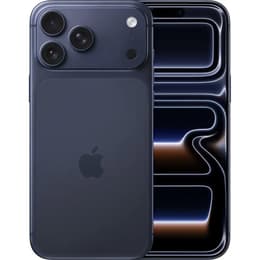
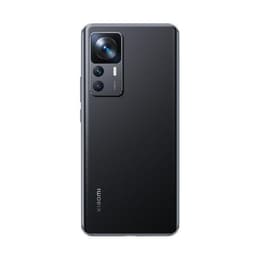
iPhone 17 Pro Max Vs Xiaomi 12T

  • 1-year minimum warranty
  • Free delivery on all orders
  • Free 30-day returns
iPhone 17 Pro Max
Starting at

Refurbished price:€1,054.00

Versus €1,489.00 new

See options
Xiaomi 12T
Starting at

Refurbished price:€280.00

Versus €649.00 new

See options

Differences at a glance

The iPhone 17 Pro Max (2025) and the Xiaomi 12T (2022) represent different tiers and release eras within the smartphone market, offering distinct approaches to mobile technology. While the iPhone 17 Pro Max serves as a contemporary flagship utilizing Apple's ecosystem and iOS, the Xiaomi 12T focuses on delivering core performance capabilities running on the Android-based MIUI platform. These two devices cater to different consumer expectations regarding hardware age, software environments, and feature sets.

Available Models

Colour

Storage

Scores

Durability

Evaluating the lifespan and durability of these devices involves looking at release timelines, software support policies, and build longevity.

  • Software support duration: The iPhone 17 Pro Max benefits from an extended software support window spanning several years from its recent release, whereas the Xiaomi 12T operates further along its designated update lifecycle.
  • Build materials and physical resilience: Both devices employ robust construction standards incorporating reinforced glass and sturdy frame designs, though users seeking long-term operating system updates will find a more extended support horizon with the newer Apple model.

Year of Release

2025

2022

Compatible with latest Update

Yes

Yes

OS

iOS

Android

Foldable

No

No

Performance

Daily operation, multitasking efficiency, and power management differ noticeably between these two distinct hardware generations.

  • Everyday speed and multitasking: The iPhone 17 Pro Max handles demanding applications, intensive gaming, and background tasks with high responsiveness, while the Xiaomi 12T manages daily web browsing, media streaming, and moderate multitasking smoothly using its high-capacity storage configurations.
  • Battery behavior: Both devices provide reliable power delivery through a full day of typical mixed usage, though charging speeds and power efficiency vary based on individual operating system optimizations and battery capacities.

Screen quality

Visual output quality, panel technology, and outdoor visibility form key components of the media consumption experience.

  • Display technology: The iPhone 17 Pro Max features an advanced OLED panel with high peak brightness capabilities for outdoor readability, complemented by an adaptive refresh rate for smooth scrolling. The Xiaomi 12T also utilizes a vibrant AMOLED display with high resolution and a fast refresh rate, ensuring sharp text rendering and fluid animations during daily use.
  • Viewing experience: Both screens deliver deep contrast and saturated color reproduction suitable for watching videos and viewing photos under various lighting conditions.

Resolution

2868x1320

1220 x 2712

Screen type

Super Retina XDR

AMOLED

Audiovisual

Imaging hardware, video recording tools, and audio output capabilities shape how each device captures and consumes media.

  • Camera versatility: The iPhone 17 Pro Max incorporates a versatile multi-lens rear camera array with advanced computational photography features for low-light environments and high-resolution video capture. The Xiaomi 12T features a high-megapixel main sensor alongside supportive ultra-wide and macro lenses, producing clear daytime photos and stable video clips.
  • Media consumption: Both devices include stereo speaker systems that provide clear audio output for calls, podcasts, and casual video playback without requiring external speakers.

Main camera

48 megapixels

108 megapixels

Front camera

18 megapixels

20 megapixels

Miscellaneous

Practical physical characteristics, connectivity standards, and daily usability features differ between the two models.

  • Connectivity and ports: The iPhone 17 Pro Max utilizes a modern USB-C port alongside 5G and current Wi-Fi standards, while the Xiaomi 12T also features USB-C connectivity, dual-SIM support, and fast cellular networking capabilities.
  • Physical handling: The devices feature different physical footprints and weight distributions, influencing how they sit in the hand or pocket during daily travel and transport. Choosing a quality-assured refurbished option provides an eco-friendly alternative for acquiring these devices while reducing electronic waste.

Weight

233 g

220 g

Screen size (in)

6.9

6.67

Network

5G

5G

SIM card

eSIM

Dual Physical SIM

Carrier compatibility

Unlocked

Unlocked

Connector

USB-C

USB-C

What the community thinks

User feedback from online communities highlights distinct praise points for each smartphone. Owners of the iPhone 17 Pro Max frequently mention appreciation for its smooth system fluidity, advanced display brightness, and comprehensive camera capabilities. Conversely, users of the Xiaomi 12T often emphasize satisfaction with its rapid charging speeds, reliable daily processing performance, and sharp display quality relative to its release era.

Users prioritizing long-term software update longevity, advanced multi-lens photography tools, and deep ecosystem integration may find the iPhone 17 Pro Max well-suited to their needs. Meanwhile, users focusing on straightforward everyday utility, rapid power replenishment, and a responsive media display may lean toward the Xiaomi 12T. Evaluating these practical factors against personal usage habits ensures an informed decision, with sustainable choices like a certified refurbished model offering an eco-friendly alternative for acquiring either device.


Our recent comparisons





