

Compare models

iPhone 16 Plus Vs iPhone Air

  • 1-year minimum warranty
  • Free delivery on all orders
  • Free 30-day returns
iPhone 16 Plus
Starting at

Refurbished price:€565.00

Versus €979.00 new

See options
iPhone Air
Starting at

Refurbished price:€693.00

Versus €1,339.00 new

See options

Differences at a glance

The iPhone 16 Plus (2024) and the iPhone Air (2025) represent two distinct directions for Apple's large-screen smartphone lineup. While the iPhone 16 Plus follows a traditional formula focused on large battery capacity and robust dual-camera hardware, the iPhone Air introduces a radically thin profile and lightweight chassis that redefines physical ergonomics. Both devices run on iOS and support modern artificial intelligence features, but they cater to very different physical preferences and daily use priorities.

Available Models

Colour

Storage

Scores

Durability

The iPhone 16 Plus and iPhone Air offer long software support cycles, though their release timelines and physical durability profiles differ.

  • Software Support and Updates: Both devices receive multi-year operating system updates directly from Apple, with the newer iPhone Air extending its software longevity window by an additional year due to its later release date.
  • Build and Repairability: The iPhone 16 Plus uses an aluminum frame and durable glass back, whereas the iPhone Air features a titanium frame paired with reinforced glass layers designed to maintain structural rigidity despite its ultra-thin profile.
  • Expected Lifespan: Both models are built to last for several years of daily service, though users considering a sustainable choice can look toward a quality-assured refurbished option on Back Market to extend the functional lifecycle of either device.

Year of Release

2024

2025

Compatible with latest Update

Yes

Yes

Foldable

No

No

Performance

Internal hardware configurations deliver smooth daily operation across both models, though processing tiers and multitasking capacities vary.

  • System Responsiveness and Multitasking: Both smartphones handle demanding applications, web browsing, and system multitasking smoothly, with the iPhone Air utilizing a higher memory allocation that helps keep multiple background apps active simultaneously.
  • Storage Configurations: The iPhone 16 Plus starts with accessible storage capacities suited for moderate media libraries, while the iPhone Air begins at higher storage tiers to accommodate expansive files and applications.
  • Battery Behavior: The thicker body of the iPhone 16 Plus accommodates a larger battery capacity designed for extended endurance through heavy use, whereas the slender build of the iPhone Air prioritizes minimal weight over maximum hours away from a charger.

Screen quality

Viewing experiences on both devices feature crisp OLED display technology, distinguished primarily by refresh rate fluidity and physical dimensions.

  • Display Smoothness and Technology: The iPhone Air incorporates a high refresh rate display technology that ensures fluid scrolling and animations, while the iPhone 16 Plus utilizes a standard refresh rate panel.
  • Brightness and Clarity: Both screens offer high peak brightness levels for outdoor visibility under direct sunlight, paired with sharp resolutions that render text and media with high clarity.
  • Viewing Area: The iPhone 16 Plus provides a slightly wider 6.7-inch viewing canvas, whereas the iPhone Air offers a 6.5-inch display framed within a much narrower and lighter physical envelope.

Resolution

1290 x 2796

2736x1260

Screen type

Super Retina XDR OLED

Super Retina XDR

Audiovisual

Imaging hardware takes contrasting approaches between traditional dual-lens versatility and a streamlined single-lens philosophy.

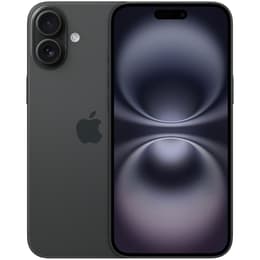
  • Rear Camera Systems: The iPhone 16 Plus features a versatile dual-lens rear setup including an ultra-wide option for macro photography, while the iPhone Air streamlines the back panel with a single high-resolution main camera housed inside an elevated camera plateau.
  • Video and Media Recording: Both phones capture detailed high-resolution video with advanced stabilization features, making them reliable tools for casual recording and content creation.
  • Audio Output: The iPhone 16 Plus delivers stereo sound through dual speakers for media consumption, whereas the ultra-thin housing of the iPhone Air limits acoustic space, resulting in a mono speaker configuration.

Main camera

48 megapixels

48 megapixels

Front camera

12 megapixels

18 megapixels

Miscellaneous

Physical handling characteristics and connectivity standards define the practical day-to-day experience of carrying each device.

  • Weight and Dimensions: The iPhone Air stands out for its remarkably thin profile and light weight of 165 grams, making it notably easier to pocket than the heavier 199-gram frame of the iPhone 16 Plus.
  • Physical Controls: Both devices include customizable shortcut buttons and dedicated camera interaction surfaces alongside standard USB-C charging ports.
  • Connectivity: Modern wireless standards, including advanced Wi-Fi protocols and 5G cellular connectivity, are supported across both models to ensure stable network performance.

Weight

199 g

165 g

Screen size (in)

6.7

6.5

Network

5G

5G

SIM card

eSIM

eSIM

Carrier compatibility

Unlocked

Unlocked

Connector

USB-C (USB 2)

USB-C

What the community thinks

User discussions and community feedback highlight clear dividing lines between these two devices. Owners of the iPhone 16 Plus frequently praise its dependable battery endurance, comfortable media playback via stereo speakers, and versatile dual-lens camera system. Conversely, frequent criticisms note its relatively heavier weight and thicker physical profile. Meanwhile, adopters of the iPhone Air heavily praise its breakthrough featherlight handling and slim geometry, though some users point out the compromise of lower battery longevity and a single rear camera.

Users prioritizing maximum battery endurance, dual-lens photo versatility, and stereo sound will find the iPhone 16 Plus well-suited to their daily routine. On the other hand, users prioritizing a featherlight feel, a high refresh rate screen, and effortless pocketability may lean toward the iPhone Air. Exploring a quality-assured refurbished option via Back Market provides an eco-friendly alternative for acquiring either model while supporting sustainable technology choices.









