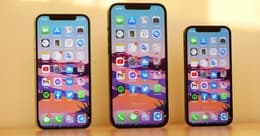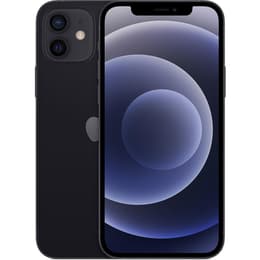
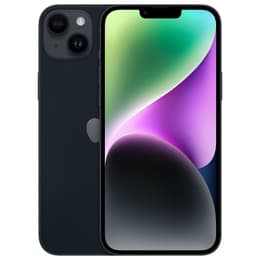


iPhone 12 Vs iPhone 14 Plus

iPhone 12
iPhone 12
Starting at

Refurbished price:174.00

Versus €829.00 new

See options
iPhone 14 Plus
iPhone 14 Plus
Starting at

Refurbished price:317.00

Versus €879.00 new

See options

Ratings

The iPhone 12, released in October 2020, and the iPhone 14 Plus, launched in October 2022, represent different generations within Apple's smartphone lineup. While both devices offer a consistent iOS experience, the iPhone 14 Plus distinguishes itself with a larger display and enhanced battery capacity, alongside camera and performance improvements. These differences cater to varying user preferences, from those seeking a more compact device to those prioritising screen size and extended usage.

Scores

Durability

When considering the practical lifespan of these devices, several factors come into play, including software support, physical durability, and ease of repair.

  • Release Timeline: The iPhone 12 was released in October 2020, making it an older model compared to the iPhone 14 Plus, which launched in October 2022. This two-year difference directly impacts the expected duration of software support.
  • Software Longevity: Both devices run on Apple's iOS, known for its long-term software updates. However, the iPhone 14 Plus, being newer, is expected to receive major iOS updates for approximately two years longer than the iPhone 12, extending its functional lifespan for users who prioritize the latest software features and security patches.
  • Repairability and Durability: Both models feature Ceramic Shield on the front for improved drop performance and are rated IP68 for water and dust resistance, allowing submersion up to 6 meters for 30 minutes. The iPhone 12 received a repairability score of 6 out of 10 from iFixit, noting that while many parts are replaceable, Apple's proprietary software can complicate third-party repairs. Information regarding the iPhone 14 Plus's repairability score is less readily available, but the general trend for newer iPhones suggests similar considerations.

Year of Release

2020

2022

Compatible with latest Update

Yes

Yes

OS

iOS

iOS

Foldable

No

No

Performance

The performance of a smartphone is crucial for daily tasks, from navigating apps to demanding gaming sessions. Both the iPhone 12 and iPhone 14 Plus offer capable performance, though with notable distinctions.

  • Processing Power: The iPhone 14 Plus features a more advanced processor compared to the iPhone 12. This translates to smoother operation, faster app loading times, and more efficient handling of graphically intensive applications and multitasking. Users engaging in mobile gaming or video editing will likely experience a more fluid and responsive interface on the iPhone 14 Plus.
  • Multitasking and Responsiveness: The iPhone 14 Plus comes with 6GB of RAM, an increase from the iPhone 12's 4GB. This additional RAM allows the iPhone 14 Plus to keep more applications open in the background without needing to reload them, contributing to a more seamless multitasking experience. Both devices offer a responsive user experience for everyday tasks, but the newer model provides more headroom for future software and demanding applications.
  • Storage Options: The iPhone 12 is available with 64GB, 128GB, and 256GB storage options. The iPhone 14 Plus starts at 128GB and goes up to 512GB, offering a higher maximum storage capacity for users who require more space for apps, photos, and videos.

Memory (GB)

4 GB

6 GB

Screen quality

The display is a primary interface for smartphone interaction, and both models offer high-quality viewing experiences, albeit with differences in size and typical brightness.

  • Display Technology and Size: Both the iPhone 12 and iPhone 14 Plus feature Super Retina XDR OLED displays, providing deep blacks and vibrant colors. A key differentiator is screen size: the iPhone 12 has a 6.1-inch display, while the iPhone 14 Plus boasts a larger 6.7-inch display. This larger screen on the 14 Plus offers a more expansive viewing area for media consumption and productivity.
  • Resolution and Clarity: The iPhone 12 features a resolution of 2532 x 1170 pixels at 460 ppi. The iPhone 14 Plus has a resolution of 2778 x 1284 pixels at 458 ppi. Both displays offer excellent clarity and sharpness for text and images.
  • Brightness and Refresh Rate: The iPhone 12 has a typical maximum brightness of 625 nits, with a peak HDR brightness of 1200 nits. The iPhone 14 Plus offers a higher typical maximum brightness of 800 nits, also reaching 1200 nits for HDR content, which can improve visibility in bright outdoor conditions. Both devices feature a standard 60Hz refresh rate.

Resolution

1170 x 2532

1284 x 2778

Screen type

Super Retina XDR OLED

Super Retina XDR OLED

Audiovisual

Both the iPhone 12 and iPhone 14 Plus are equipped with capable camera systems, designed to capture high-quality photos and videos in various conditions.

  • Dual-Camera Systems: Both models feature a dual-camera system on the rear, comprising a 12MP wide lens and a 12MP ultra-wide lens. The iPhone 14 Plus benefits from updated sensors and improved image processing, leading to better overall image quality, particularly in challenging lighting.
  • Low-Light and Everyday Photography: The iPhone 14 Plus's main camera features a larger sensor and a faster aperture (f/1.5 compared to iPhone 12's f/1.6), allowing it to capture more light. This results in improved low-light performance, producing clearer photos with less noise in dim environments. Both phones offer Night Mode across all cameras, enhancing their capability in very dark settings.
  • Video Recording and Audio: Both devices support 4K video recording at up to 60 frames per second. The iPhone 14 Plus introduces Action mode for smoother video capture, akin to using a gimbal, and its front-facing TrueDepth camera gains autofocus and a faster aperture for improved selfies. Microphone quality for calls and video recording is generally clear on both, with the 14 Plus potentially offering slight enhancements due to newer components.

Main camera

12 megapixels

12 megapixels

Front camera

12 megapixels

12 megapixels

Miscellaneous

Beyond core performance and display, several practical elements contribute to the overall user experience and differentiate these two iPhone models.

  • Connectivity and Ports: Both the iPhone 12 and iPhone 14 Plus support 5G connectivity, Wi-Fi 6, and Bluetooth. The iPhone 12 uses Bluetooth 5.0, while the iPhone 14 Plus features the newer Bluetooth 5.3, offering potential improvements in efficiency and range with compatible accessories. Both devices utilize the Lightning port for charging and data transfer.
  • Physical Characteristics: The iPhone 12 measures 146.7 mm in height, 71.5 mm in width, and 7.4 mm in depth, weighing 164 grams. The iPhone 14 Plus is larger and heavier, with dimensions of 160.8 mm in height, 78.1 mm in width, and 7.8 mm in depth, weighing 203 grams. The iPhone 12 features an aluminum frame, while the 14 Plus also uses an aluminum design.
  • Security and Other Features: Both models rely on Face ID for secure authentication. The iPhone 14 Plus introduces additional safety features like Crash Detection and Emergency SOS via Satellite, which are not present on the iPhone 12.

Weight

164 g

150 g

Screen size (in)

6.1

6.7

Network

5G

5G

SIM card

Physical SIM + eSIM

eSIM

Carrier compatibility

Unlocked

Unlocked

Connector

Lightning

Lightning

Choosing between the iPhone 12 and iPhone 14 Plus involves weighing priorities related to size, battery life, and camera capabilities. Users frequently praise the iPhone 12 for its more compact and manageable form factor, making it comfortable for one-handed use and pocketability. Its performance remains robust for most everyday tasks, and its OLED display provides a quality viewing experience. Some users, however, note that its battery life can be a limitation for heavy usage compared to newer models.

The iPhone 14 Plus is often lauded for its significantly larger display, offering an immersive experience for media consumption, gaming, and productivity. Its extended battery life is a major advantage for users who need their device to last longer between charges. The improved camera system, particularly in low-light conditions and with features like Action mode for video, also receives positive feedback. Criticisms sometimes point to its larger size and weight, which might not appeal to those preferring a smaller device.

Users prioritizing a larger screen and maximum battery endurance will find the iPhone 14 Plus well-suited to their needs. Those who value a more compact design and comfortable one-handed operation, while still benefiting from solid performance and a good camera, may lean towards the iPhone 12. Both devices offer a reliable iOS experience, and opting for a quality-assured refurbished option for either model presents an eco-friendly alternative, extending the life of these devices and reducing electronic waste.


See all articles

Our recent comparisons