

Compare models
Galaxy Z Flip7 Vs Xiaomi 13T
- 1-year minimum warranty
- Free delivery on all orders
- Free 30-day returns
Differences at a glance
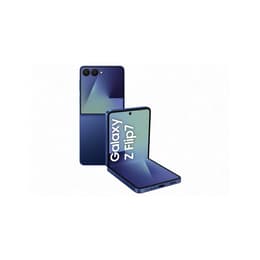
The Samsung Galaxy Z Flip7 (2025) and the Xiaomi 13T (2023) represent two distinct approaches to modern smartphone design, contrasting a foldable clamshell form factor with a traditional slate layout. While both devices cater to users seeking capable everyday technology, they differ significantly in their physical build, interface design, and core philosophy. The Galaxy Z Flip7 runs on Android with customized foldable display software features, whereas the Xiaomi 13T operates on a traditional interface framework, making this comparison vital for users weighing pocketability against conventional hardware utility.
Available Models
Colour
Storage (GB)
Scores
Durability
Both smartphones provide robust software support timelines and durable build qualities, though their physical formats introduce different long-term considerations for daily wear and tear.
- Software Support and Longevity: The Galaxy Z Flip7 benefits from a more recent release year, granting it an extended software update lifecycle compared to the Xiaomi 13T, which ensures long-term security patching and operating system upgrades.
- Build and Structural Resilience: The Xiaomi 13T relies on a standard rigid slate construction with high-grade dust and water resistance, whereas the Galaxy Z Flip7 incorporates flexible display technology and a folding hinge mechanism designed to withstand frequent bending.
- Expected Practical Lifespan: Both models feature high-capacity memory configurations that support multi-year usage, though traditional slate designs like the Xiaomi 13T generally present fewer mechanical variables over extended periods of heavy daily use.
Year of Release
2025
2023
Compatible with latest Update
Yes
Yes
OS
Android
Android
Foldable
Yes
No
Performance
System responsiveness and everyday handling differ due to internal hardware variations, impacting how each device manages multitasking, demanding applications, and sustained battery output.
- Battery Behavior: The Xiaomi 13T includes a larger physical battery paired with high-speed wired charging support to minimize downtime, while the Galaxy Z Flip7 balances a more compact power cell with efficient internal hardware management for standard daily routines.
- System Responsiveness: Each model delivers fluid navigation across menus and swift application launch times, ensuring that users experience minimal lag during standard communication and productivity tasks.
Screen quality
Display characteristics differ notably between the two models, primarily driven by the folding architecture of one and the conventional flat panel layout of the other.
- Display Technology and Format: The Galaxy Z Flip7 utilizes a folding interior screen alongside an external cover panel for quick interactions, while the Xiaomi 13T features a continuous, uninterrupted flat display panel with a high refresh rate for smooth scrolling.
- Outdoor Visibility: Both panels offer high peak brightness capabilities, ensuring that text, images, and maps remain legible when used directly under bright sunlight.
- Visual Clarity: High pixel densities on both devices deliver sharp text rendering and clear media playback, accommodating everything from casual video viewing to detailed photo editing on the go.
Resolution
1080x2520
1220 x 2712
Audiovisual
Optic systems on these smartphones cater to versatile daily photography and media recording, emphasizing different focal lengths and computational processing styles.
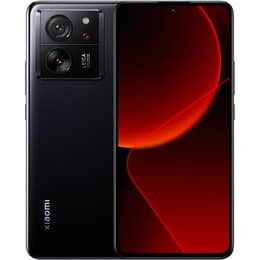
- Main and Secondary Lenses: The Xiaomi 13T features a dedicated multi-lens array including a telephoto option for optical magnification, whereas the Galaxy Z Flip7 focuses on a flexible dual-lens setup that leverages its folding form factor for unique self-portrait angles.
- Low-Light and Video Capture: Both devices incorporate image stabilization features to reduce blur during handheld recording and produce clear, balanced footage in challenging lighting environments.
- Media and Audio Output: Integrated stereo speaker arrangements on both models deliver clear sound reproduction for hands-free calls, podcasts, and casual video playback.
Front camera
10 megapixels
20 megapixels
Miscellaneous
Practical daily usability is shaped by physical dimensions, connectivity standards, and ergonomic design choices that influence how comfortably each phone fits into a user's routine.
- Handling and Portability: The Galaxy Z Flip7 folds into a compact square shape that slips easily into smaller pockets, while the Xiaomi 13T follows a standard larger footprint that prioritizes a wider viewing area.
- Connectivity and Ports: Both models support modern fifth-generation mobile networks, rapid wireless data standards, and reliable Bluetooth connectivity, utilizing reversible universal cable ports for charging and data transfer.
- Security and Authentication: The Xiaomi 13T uses an optical fingerprint reader positioned beneath the screen surface, while the Galaxy Z Flip7 offers fast biometric facial recognition alongside a side-mounted fingerprint sensor.
Weight
188 g
193 g
Screen size (in)
6.9
6.67
Network
5G
5G
SIM card
Physical SIM + eSIM
Dual Physical SIM
Carrier compatibility
Unlocked
Unlocked
Connector
USB-C
USB-C
What the community thinks
User feedback and community discussions highlight distinct preferences for each device based on lifestyle and hardware priorities. Owners of the Xiaomi 13T frequently praise its dependable battery endurance, rapid charging capabilities, and smooth display performance during media consumption. Conversely, users drawn to the Galaxy Z Flip7 emphasize the convenience of its compact, pocket-friendly folding design and the utility of checking notifications on the outer screen without unfolding the device.
Users prioritizing a traditional, durable slate layout with fast charging speeds and a dedicated telephoto lens will find the Xiaomi 13T well-suited to their needs. Meanwhile, users who value ultra-compact portability, innovative form factors, and flexible multi-angle viewing will lean toward the Galaxy Z Flip7. For those considering an eco-friendly, quality-assured alternative, exploring a quality-assured refurbished option through Back Market offers a sustainable way to acquire either model while reducing electronic waste.
Ultimately, the decision rests on whether a folding clamshell body or a conventional smartphone structure better complements your daily workflow and carrying preferences.