
Samsung

Compare models
Differences at a glance
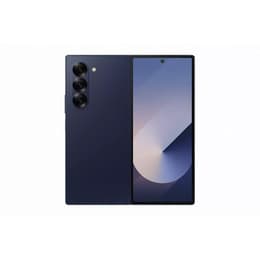
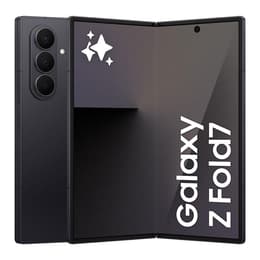
The Samsung Galaxy Z Fold6 (2024) and Galaxy Z Fold7 (2025) represent successive iterations of Samsung's book-style foldable smartphone series. While both devices offer dual-screen flexibility and robust productivity tools running on the Android operating system, the newer model introduces a significantly thinner chassis, refined cover screen proportions, and updated internal hardware.
These adjustments change how the devices handle day-to-day handling and mobile workflows, providing distinct advantages depending on individual user preferences.
Colour
Storage (GB)
Both foldable devices are built for long-term daily operation, though their release schedules place them at different stages of their software support lifecycles.
Year of Release
Compatible with latest Update
OS
Foldable
Performance capabilities scale from smooth multitasking to high-end mobile gaming across both generations, driven by contemporary processing hardware and generous memory allocations.
Display technology centers on bright, adaptable panels for both inner and outer viewing, though physical dimensions and aspect ratios diverge between the two generations.
Resolution
Photography and media capture suites span multiple lenses on both models, catering to casual snapshots, detailed landscapes, and video conferencing.
Physical dimensions and connectivity standards highlight the rapid physical evolution seen in modern foldable phone engineering.
Weight
Screen size (in)
Network
SIM card
Carrier compatibility
Connector
User discussions across tech communities highlight distinct preferences for each generation. Owners of the Galaxy Z Fold6 frequently praise its reliable multitasking performance and established software maturity, while noting that its narrower front screen requires some adaptation for everyday typing. Conversely, users favor the Galaxy Z Fold7 for its significantly slimmer profile, lighter weight, and more natural cover screen proportions, though some note the absence of stylus support on certain regional variants or configurations.
Users prioritizing a lighter, more pocketable frame with a standard typing experience will find the Galaxy Z Fold7 well-suited to their daily routine, while users who value a quality-assured refurbished option from sustainable channels may look toward the Galaxy Z Fold6 as a capable productivity tool. Choosing between the two depends largely on whether physical slimness or established availability represents a higher priority for your workflow.