

Compare models

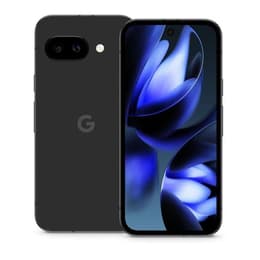
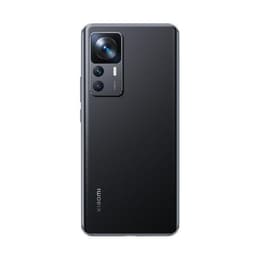
Google Pixel 9a Vs Xiaomi 12T

  • 1-year minimum warranty
  • Free delivery on all orders
  • Free 30-day returns
Google Pixel 9a
Starting at

Refurbished price:€361.00

Versus €586.09 new

See options
Xiaomi 12T
Starting at

Refurbished price:€269.00

Versus €649.00 new

See options

Differences at a glance

The Google Pixel 9a (2025) and the Xiaomi 12T (2022) are modern smartphones that approach everyday connectivity through different engineering philosophies. While the Google Pixel 9a prioritizes prolonged software support and deep software integration, the Xiaomi 12T focuses on rapid charging capabilities and high-resolution imaging hardware. Both devices run on the Android operating system, offering distinct user interfaces that cater to varied daily routines.

Available Models

Colour

Storage

Scores

Durability

When examining hardware longevity and software maintenance, these two devices reflect different generations and support lifecycles.

  • Software Support Window: The Google Pixel 9a benefits from an extended software update schedule spanning multiple years, while the Xiaomi 12T operates on a more traditional manufacturer update timeline.
  • Repairability and Build: Both smartphones feature sealed internal designs, though regional repair networks and component availability differ significantly between the two manufacturers.
  • Expected Lifespan: The Google Pixel 9a's newer release date provides an advantage for long-term software relevance, whereas the Xiaomi 12T relies on solid core hardware to maintain daily utility.

Year of Release

2025

2022

Compatible with latest Update

Yes

Yes

OS

Android

Android

Foldable

No

No

Performance

Daily operation and multitasking capabilities differ due to the underlying hardware configurations and power management systems.

  • Multitasking and Speed: Both models handle standard messaging, web browsing, and demanding applications smoothly, supported by ample random access memory and optimized operating systems.
  • Battery Behavior: The Google Pixel 9a offers a large capacity cell designed for prolonged daily endurance, while the Xiaomi 12T features extremely fast wired charging speeds to minimize time tethered to a wall outlet.
  • Storage Configurations: Both devices are available in standard internal storage tiers that accommodate typical collections of applications, media, and documents without expandable storage slots.

Screen quality

Visual output and display responsiveness play a major role in media consumption and outdoor usability.

  • Display Technology: Both models utilize vibrant OLED display panels that deliver deep contrast levels and rich color reproduction for viewing photos and video content.
  • Refresh Rates and Fluidity: High refresh rate support ensures fluid scrolling through menus, web pages, and supported mobile games on both smartphones.
  • Outdoor Brightness: The Google Pixel 9a reaches high peak brightness levels for clear visibility under direct sunlight, matching the reliable outdoor legibility offered by the Xiaomi 12T.

Resolution

2424 x 1080

1220 x 2712

Audiovisual

Capturing photographs and recording video involve contrasting sensor layouts and image processing techniques.

  • Main Camera Systems: The Google Pixel 9a employs a high-resolution primary sensor paired with computational photography software, whereas the Xiaomi 12T features a high megapixel count sensor suited for detailed daytime shots.
  • Secondary Lenses: Both phones include ultra-wide-angle lenses for landscape photography, accompanied by specialized secondary sensors tailored for close-up or macro perspectives.
  • Audio and Video: Integrated microphone arrays and stereo speaker configurations on both devices provide clear voice recording and balanced media playback.

Front camera

13 megapixels

20 megapixels

Miscellaneous

Physical dimensions and connectivity standards determine how comfortably each device fits into daily travel and accessory ecosystems.

  • Physical Design: The Google Pixel 9a features a lightweight, compact footprint that handles easily in one hand, while the Xiaomi 12T offers a slightly broader form factor with a glass back finish.
  • Connectivity Options: Both smartphones support modern fifth-generation cellular networks, dual-sim capabilities, and standard wireless protocols for reliable local networking.
  • Security Sensors: Quick biometric authentication is handled via responsive under-display fingerprint scanners and secure facial recognition features on both models.

Weight

186 g

220 g

Screen size (in)

6.3

6.67

Network

5G

5G

SIM card

Physical SIM + eSIM

Dual Physical SIM

Carrier compatibility

Unlocked

Unlocked

Connector

USB-C

USB-C

What the community thinks

User feedback from online communities highlights distinct preferences for each of these smartphones. Owners of the Google Pixel 9a frequently praise its clean software interface, reliable daily battery endurance, and long-term security update commitment. Conversely, users of the Xiaomi 12T often emphasize appreciation for its rapid charging speed and crisp media display capabilities. Common criticisms for the Google Pixel 9a involve a lack of advanced telephoto lenses, while Xiaomi 12T owners occasionally note that software update pacing slows down over extended operational years.

Users prioritizing extended software longevity and streamlined software tools will find the Google Pixel 9a well-suited to their needs. Meanwhile, users prioritizing rapid power replenishment and high-resolution screen clarity may lean toward the Xiaomi 12T. For shoppers seeking a quality-assured refurbished option, exploring eco-friendly alternatives on Back Market can provide a sustainable path to acquiring either device.





