

iPhone 12 Vs iPhone SE (2020)

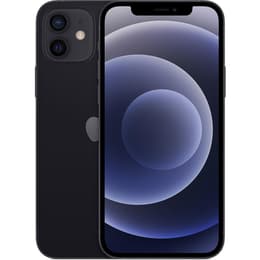
iPhone 12
iPhone 12
Starting at

Refurbished price:179.00

Versus €829.00 new

See options
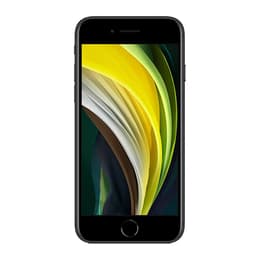
iPhone SE (2020)
iPhone SE (2020)
Starting at

Refurbished price:94.00

Versus €319.00 new

See options

Ratings

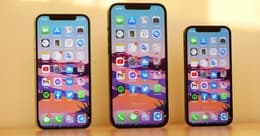
The iPhone 12 and iPhone SE (2020) are both smartphones released by Apple in 2020, yet they cater to different user preferences. The iPhone 12, launched in October 2020, introduced a refreshed design with flat edges and advanced display technology. The iPhone SE (2020), released earlier in April 2020, maintained a classic, compact form factor with a physical home button. Both devices operate on the iOS ecosystem, providing a consistent software experience, but they differ significantly in display, camera capabilities, and overall design.

Scores

Durability

Both smartphones were released in the same year, which means they share a similar timeline for official software support and security updates from the manufacturer. However, their internal architectures suggest some differences in long-term performance expectations.

  • Software Longevity: Users can expect several more years of reliable performance and operating system updates for both devices. The iPhone 12, with its more advanced internal components, may offer a slight edge in maintaining fluidity with future iOS versions for a longer duration compared to the iPhone SE (2020).
  • Build Resilience: The iPhone 12 features a Ceramic Shield front cover, designed for improved drop protection, and boasts an IP68 water resistance rating, allowing for immersion in deeper water. The iPhone SE (2020) uses traditional glass and has an IP67 rating, indicating resistance to splashes and brief immersion.
  • Repairability: Both models are widely supported by independent repair services, making it straightforward to replace common components like batteries or screens. This accessibility helps extend their functional life, offering a sustainable choice for users.

Year of Release

2020

2020

Compatible with latest Update

Yes

Yes

OS

iOS

iOS

Foldable

No

No

Performance

While both devices handle everyday tasks efficiently, the iPhone 12 offers more performance headroom for demanding activities and intensive multitasking due to its newer processor and increased RAM.

  • System Responsiveness: The iPhone 12 provides a smoother experience when switching between multiple heavy applications or playing graphics-intensive games. Its processor allows for faster app loading and more responsive interactions. The iPhone SE (2020) is well-suited for standard social media, web browsing, and general daily use, performing smoothly for these tasks.
  • Multitasking Capability: The iPhone 12 includes 4GB of RAM, which contributes to better management of multiple open applications and background processes. The iPhone SE (2020) comes with 3GB of RAM, which is sufficient for most users but may show limitations with a high number of concurrently active apps.
  • Storage Options: Both models are available with 64GB, 128GB, and 256GB of internal storage, providing flexibility for users to choose based on their content storage needs.

Memory

4 GB

3 GB

Screen quality

The viewing experience is one of the most significant differences between these two devices, impacting everything from reading text to watching videos.

  • Display Technology: The iPhone 12 features a 6.1-inch Super Retina XDR OLED display, which delivers deep blacks, vibrant colors, and high contrast. In contrast, the iPhone SE (2020) utilizes a 4.7-inch Retina HD LCD panel, offering natural color reproduction but with less contrast and brightness compared to OLED.
  • Resolution and Clarity: The iPhone 12 offers a higher resolution of 2532 x 1170 pixels, resulting in a sharper 460 pixels per inch (ppi). The iPhone SE (2020) has a resolution of 1334 x 750 pixels, with a pixel density of 326 ppi. This difference means the iPhone 12 provides a clearer and more detailed visual experience.
  • Brightness and Viewing Experience: The iPhone 12's OLED display can achieve higher peak brightness levels, making it more suitable for outdoor visibility and HDR content. The larger screen size of the iPhone 12 also provides a more immersive viewing experience for media consumption.

Resolution

1170 x 2532

750 x 1334

Screen type

Super Retina XDR OLED

Retina IPS LCD

Audiovisual

Photography enthusiasts will find different capabilities in these two models, particularly when lighting conditions are less than ideal or when capturing wide landscapes.

  • Camera System Versatility: The iPhone 12 features a dual-camera system on the rear, including a 12-megapixel wide lens and a 12-megapixel ultra-wide lens, offering more photographic flexibility. The iPhone SE (2020) is equipped with a single 12-megapixel wide-angle lens.
  • Low-Light Performance: A significant differentiator is the iPhone 12's Night mode, which allows for clearer and more detailed photos in dark settings. This feature is not available on the iPhone SE (2020), making the iPhone 12 more capable in challenging lighting conditions.
  • Video Recording and Front Camera: Both phones can record 4K video at up to 60 frames per second with their main cameras. However, the iPhone 12 supports Dolby Vision HDR video recording for enhanced color detail. The iPhone 12 also has a 12-megapixel front camera, while the iPhone SE (2020) has a 7-megapixel front camera.

Main camera

12 megapixels

12 megapixels

Front camera

12 megapixels

7 megapixels

Miscellaneous

Beyond core specifications, several practical elements contribute to the overall user experience and differentiate these two iPhone models.

  • Connectivity and Ports: The iPhone 12 supports 5G cellular networks, offering faster download and upload speeds in compatible areas, a feature absent in the iPhone SE (2020) which is limited to 4G LTE. Both devices use the Lightning port for charging and data transfer.
  • Biometric Security: The iPhone 12 utilizes Face ID for secure authentication and unlocking, relying on facial recognition. The iPhone SE (2020) retains the classic Home button with integrated Touch ID, using fingerprint recognition.
  • Design and Handling: The iPhone 12 features a modern, edge-to-edge display design with flat sides, measuring 146.7 x 71.5 x 7.4 mm and weighing 164g. The iPhone SE (2020) has a more compact design with a 4.7-inch screen and rounded edges, measuring 138.4 x 67.3 x 7.3 mm and weighing 148g, making it easier for one-handed use for some users.

Weight

164 g

148 g

Screen size (in)

6.1

4.7

Network

5G

4G

SIM card

Physical SIM + eSIM

Physical SIM + eSIM

Carrier compatibility

Unlocked

Unlocked

Connector

Lightning

Lightning

User feedback for these two devices often highlights a preference for specific ergonomics and modern features. Many users on community forums praise the iPhone SE (2020) for its compact size and the reliability of the physical home button, which remains a favorite for those transitioning from older models. Criticisms of the SE frequently focus on its shorter battery life during heavy use and its dated design with larger bezels.

Conversely, the iPhone 12 is frequently lauded for its modern aesthetic, impressive OLED screen quality, and the inclusion of 5G connectivity, which many feel makes it more future-ready. Some iPhone 12 users mention that its battery life, while generally better than the SE, can still be a point of concern for power users, and some have reported minor display issues like green tint.

Users who prioritize a compact, familiar design with a physical button and primarily use their phone for communication and light browsing will likely find the iPhone SE (2020) well-suited to their needs. Those who prefer a larger, more vivid display for media consumption, better photography capabilities in low light, and want the benefit of faster mobile data should lean toward the iPhone 12. Both models offer a reliable iOS experience, and choosing a quality-assured refurbished option for either device can be an eco-friendly alternative.

See all articles

Our recent comparisons