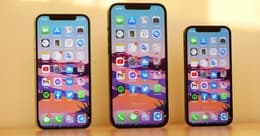


iPhone 12 Pro Vs Xiaomi 12T

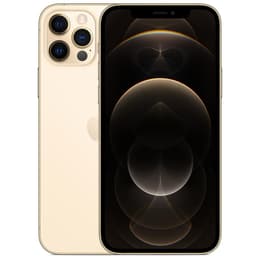
iPhone 12 Pro
iPhone 12 Pro
Starting at

Refurbished price:214.00

Versus €1,039.00 new

See options
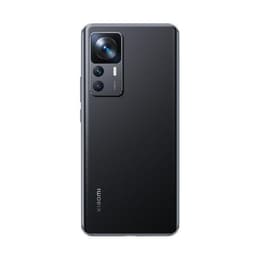
Xiaomi 12T
Xiaomi 12T
Starting at

Refurbished price:133.00

Versus €649.00 new

See options

Ratings

The iPhone 12 Pro, released in October 2020, and the Xiaomi 12T, launched in October 2022, are smartphones from different ecosystems, offering distinct user experiences. While the iPhone 12 Pro operates on Apple's iOS, known for its integrated ecosystem and long-term software support, the Xiaomi 12T runs on Android, providing greater customization and a more open platform. These devices primarily differentiate themselves through their camera philosophies, display technologies, and overall performance approaches.

Scores

Durability

When considering the long-term usability of these devices, their release timelines and software support policies are key factors. The iPhone 12 Pro, being an older model, has a shorter remaining software support window compared to the more recently released Xiaomi 12T.

  • Release Timeline: The iPhone 12 Pro was introduced in October 2020, making it a device from an earlier generation. The Xiaomi 12T, launched two years later in October 2022, benefits from a more recent hardware and software foundation.
  • OS Support: The iPhone 12 Pro launched with iOS 14 and is expected to receive major iOS updates for approximately 5-6 years from its release, potentially extending to iOS 19 or 20. The Xiaomi 12T, which shipped with Android 12, is promised three major Android OS updates, bringing it up to Android 15, and four years of security updates from its launch.
  • Repairability: The iPhone 12 Pro received a repairability score of 6 out of 10 from iFixit, indicating that while many components are modular, proprietary screws and enhanced waterproofing can complicate repairs. Information on the Xiaomi 12T's specific repairability score is less widely available, but Android devices generally offer moderate repair access.

Year of Release

2020

2022

Compatible with latest Update

Yes

Yes

OS

iOS

Android

Foldable

No

No

Performance

Both devices are designed to handle daily tasks efficiently, but they approach performance with different underlying architectures and user priorities.

  • Processor Capabilities: The iPhone 12 Pro is equipped with a powerful processor that was considered top-tier at its release, enabling smooth operation for demanding applications and multitasking. The Xiaomi 12T features a capable processor designed for efficient performance, ensuring a responsive experience across various applications and gaming scenarios.
  • Storage and RAM: The iPhone 12 Pro offers storage options of 128GB, 256GB, and 512GB, paired with 6GB of RAM, providing ample space and memory for most users. The Xiaomi 12T comes with 8GB of RAM and storage options of 128GB or 256GB, which supports smooth multitasking and app handling, though it does not offer expandable storage.
  • Battery Behavior: The iPhone 12 Pro has a battery capacity that typically provides a full day of use for moderate users, though heavy usage may require more frequent charging. The Xiaomi 12T features a larger battery capacity, often allowing for more than a full day of power for many users, complemented by very fast charging capabilities.

Memory (GB)

6 GB

8 GB

Screen quality

The visual experience on both smartphones is a key aspect, with each device offering distinct display characteristics.

  • Display Technology and Clarity: The iPhone 12 Pro features a 6.1-inch Super Retina XDR OLED display, known for its deep blacks, vibrant colors, and high pixel density of 460 ppi, resulting in sharp and clear visuals. The Xiaomi 12T boasts a larger 6.67-inch CrystalRes AMOLED display with a resolution of 1220 x 2712 pixels and a pixel density of 446 ppi, offering a clear and immersive viewing experience.
  • Brightness and Refresh Rate: The iPhone 12 Pro's display offers a typical brightness of 800 nits, peaking at 1200 nits for HDR content, and a standard 60Hz refresh rate. The Xiaomi 12T provides a smoother visual experience with a 120Hz refresh rate and a typical brightness of 500 nits, with a peak brightness of 900 nits.
  • Durability: The iPhone 12 Pro incorporates Ceramic Shield on its front, designed to enhance drop performance. The Xiaomi 12T uses Corning Gorilla Glass 5 for screen protection.

Resolution

1170 x 2532

1220 x 2712

Screen type

Super Retina XDR OLED

AMOLED

Audiovisual

Both devices offer advanced camera systems, but they cater to slightly different photographic preferences and capabilities.

  • Rear Camera Systems: The iPhone 12 Pro features a versatile triple 12MP camera system, including wide, ultrawide, and telephoto lenses, along with a LiDAR scanner for improved low-light focusing and depth sensing. The Xiaomi 12T highlights a 108MP main camera with optical image stabilization (OIS), complemented by an 8MP ultrawide and a 2MP macro lens, focusing on high-resolution main sensor output.
  • Photography Performance: The iPhone 12 Pro excels in delivering consistent image quality across its lenses, with strong low-light performance and advanced computational photography features like Night mode and Deep Fusion. The Xiaomi 12T's 108MP main sensor captures detailed images, particularly in good lighting, and offers good low-light capabilities with its OIS and pixel-binning technology.
  • Video Recording and Additional Features: The iPhone 12 Pro supports HDR video recording with Dolby Vision up to 60 frames per second, providing a wide dynamic range and cinematic stabilization. The Xiaomi 12T can record 4K video and offers various creative modes, with its main camera focusing on clarity and detail.

Main camera

12 megapixels

108 megapixels

Front camera

12 megapixels

20 megapixels

Miscellaneous

Beyond core performance and display, several practical elements contribute to the overall user experience of these smartphones.

  • Connectivity and Ports: Both devices support 5G connectivity and Wi-Fi 6 for fast wireless communication. The iPhone 12 Pro uses Apple's proprietary Lightning port, while the Xiaomi 12T features a more universal USB-C port.
  • Biometric Security: The iPhone 12 Pro relies on Face ID for secure facial recognition. The Xiaomi 12T incorporates an in-display fingerprint sensor for biometric authentication.
  • Design and Handling: The iPhone 12 Pro has a stainless steel frame and a glass back, giving it a premium feel, with dimensions of 146.7 x 71.5 x 7.4 mm and a weight of 189g. The Xiaomi 12T features a plastic frame with a glass front and back, measuring 163.1 x 75.9 x 8.6 mm and weighing 202g, offering a larger form factor.

Weight

187 g

220 g

Screen size (in)

6.1

6.67

Network

5G

5G

SIM card

Physical SIM + eSIM

Dual Physical SIM

Carrier compatibility

Unlocked

Unlocked

Connector

Lightning

USB-C

User feedback for the iPhone 12 Pro often praises its consistent camera performance, robust build quality, and the seamless integration within the Apple ecosystem. Some common criticisms include its average battery life compared to newer devices and the 60Hz display refresh rate. For the Xiaomi 12T, users frequently commend its long-lasting battery, rapid charging speeds, and the high-resolution main camera. Criticisms sometimes point to the ultrawide and macro cameras being less impressive than the main sensor, and the software update consistency.

Users prioritizing a compact device with a premium build, a highly integrated software experience, and a versatile camera system with strong video capabilities may find the iPhone 12 Pro well-suited to their needs. Its consistent performance and long-term software support make it a reliable choice for those invested in the Apple ecosystem.

Conversely, users who value a larger, smoother display with a high refresh rate, exceptional battery life with very fast charging, and a high-megapixel main camera for detailed photos might lean towards the Xiaomi 12T. Its Android operating system also offers more customization options.

For those seeking an eco-friendly alternative, both models are available as quality-assured refurbished options, providing a sustainable choice for consumers.


See all articles

Our recent comparisons