

Google Pixel 7 Pro Vs iPhone 12 Pro Max

Google Pixel 7 Pro
Google Pixel 7 Pro
Starting at

Refurbished price:201.00

Versus €640.98 new

See options
iPhone 12 Pro Max
iPhone 12 Pro Max
Starting at

Refurbished price:244.00

Versus €1,139.00 new

See options

Ratings

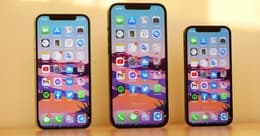
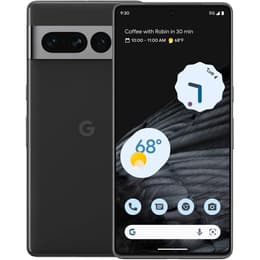
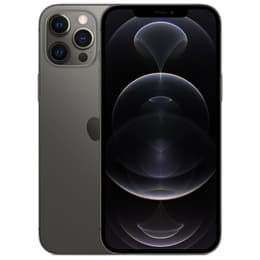
The Google Pixel 7 Pro, released in October 2022, and the iPhone 12 Pro Max, launched in November 2020, represent flagship smartphones from their respective manufacturers. While both offer premium mobile experiences, they differ significantly in their operating systems, camera philosophies, and display technologies. The Pixel 7 Pro runs on Android, emphasizing computational photography and a high refresh rate display, whereas the iPhone 12 Pro Max operates on iOS, known for its robust ecosystem and strong video capabilities.

Scores

Durability

When considering the longevity of these devices, their release timelines and software support policies are key factors.

  • Release Timeline: The iPhone 12 Pro Max was released in November 2020, making it an older model compared to the Google Pixel 7 Pro, which launched in October 2022. This difference in release date impacts their remaining software support windows.
  • Software Longevity: Google typically provides 5 years of software support for the Pixel 7 Pro, including 3 major OS updates and 5 years of security updates, expected to last until October 2027. Apple is known for its extended software support, with the iPhone 12 Pro Max anticipated to receive iOS updates for approximately 5 to 6 years from its release, and potentially longer for security patches, with iOS 26 currently supported.
  • Durability Features: Both devices feature robust builds. The Pixel 7 Pro uses Gorilla Glass Victus on its front and back, paired with an aluminum frame, and carries an IP68 rating for dust and water resistance. The iPhone 12 Pro Max features a Ceramic Shield front cover, a glass back, and a stainless steel frame, also with an IP68 rating, offering enhanced drop performance.

Year of Release

2022

2020

Compatible with latest Update

Yes

Yes

OS

Android

iOS

Foldable

No

No

Performance

Both smartphones deliver capable performance for daily tasks and demanding applications, though they achieve this with different underlying hardware.

  • Processor Capabilities: The Pixel 7 Pro handles demanding apps and multitasking smoothly thanks to its current-generation processor, providing a fluid user experience. The iPhone 12 Pro Max, powered by a powerful processor, also offers robust performance, ensuring applications load quickly and run without significant slowdowns.
  • Multitasking and Responsiveness: Users of both devices generally report a responsive interface and efficient multitasking. The Pixel 7 Pro maintains smoothness even with multiple applications open, while the iPhone 12 Pro Max is noted for its ability to keep many apps in memory without needing to reload them frequently.
  • Storage Options: Both models offer various internal storage configurations to suit different user needs, allowing for ample space for apps, photos, and videos.
  • Battery Behavior: The Pixel 7 Pro is equipped with a 5000 mAh battery, and users often report it can last through a full day of typical use, with some initial reports of average battery life improving with software updates. The iPhone 12 Pro Max, with its 3687 mAh battery, is frequently praised for its excellent battery longevity, often providing more than a full day of power for many users.

Memory (GB)

12 GB

6 GB

Screen quality

The visual experience on both devices is immersive, though they employ different display technologies and specifications.

  • Display Technology and Clarity: The Pixel 7 Pro features a 6.7-inch LTPO AMOLED display with a QHD+ resolution (1440 x 3120 pixels), offering sharp images and vibrant colors. The iPhone 12 Pro Max sports a 6.7-inch Super Retina XDR OLED display with a resolution of 1284 x 2778 pixels, known for its deep blacks and accurate color reproduction.
  • Refresh Rate and Smoothness: A key differentiator is the refresh rate; the Pixel 7 Pro offers a 120Hz refresh rate, contributing to smoother scrolling and more fluid animations. The iPhone 12 Pro Max has a standard 60Hz refresh rate.
  • Brightness Levels: For outdoor visibility, the Pixel 7 Pro can reach a peak brightness of up to 1500 nits, while the iPhone 12 Pro Max offers up to 1200 nits peak brightness for HDR content, ensuring good readability in various lighting conditions.

Resolution

1440 x 3120

1284 x 2778

Screen type

LTPO AMOLED

Super Retina XDR OLED

Audiovisual

Both smartphones offer advanced camera systems designed to capture high-quality photos and videos, each with distinct strengths.

  • Camera System Capabilities: The Pixel 7 Pro features a triple camera setup with a 50MP wide lens, a 48MP telephoto lens offering 5x optical zoom, and a 12MP ultrawide lens. The iPhone 12 Pro Max also has a triple 12MP camera system, including wide, ultrawide, and telephoto lenses with 2.5x optical zoom, and incorporates a LiDAR scanner for improved depth sensing.
  • Photography Performance: The Pixel 7 Pro is highly regarded for its computational photography, producing excellent still images, particularly with features like its unblur capability. Its low-light performance for stills is strong. The iPhone 12 Pro Max also excels in photography, especially in low-light conditions, and offers features like ProRAW for more editing flexibility.
  • Video Recording Quality: The iPhone 12 Pro Max is noted for its strong video recording capabilities, including 10-bit HDR Dolby Vision 4K video. While the Pixel 7 Pro records 4K video, some users have noted that its video quality, particularly with sharpening and exposure shifts, can be less consistent compared to its still photography.

Main camera

50 megapixels

12 megapixels

Front camera

10.8 megapixels

12 megapixels

Miscellaneous

Beyond core performance, several practical features and design elements differentiate these two devices.

  • Connectivity and Ports: Both phones support 5G connectivity for faster mobile data. The Pixel 7 Pro includes Wi-Fi 6E and Bluetooth 5.2, and uses a USB-C 3.2 port for charging and data transfer. The iPhone 12 Pro Max supports Wi-Fi 6 and Bluetooth 5.0, and utilizes Apple's proprietary Lightning port.
  • Biometric Security: The Pixel 7 Pro offers an under-display optical fingerprint sensor and face unlock for security. The iPhone 12 Pro Max relies solely on its Face ID system for secure facial recognition.
  • Design and Handling: The Pixel 7 Pro measures 162.9 x 76.6 x 8.9 mm and weighs 212g, featuring an aluminum frame. The iPhone 12 Pro Max is slightly wider and heavier at 160.8 x 78.1 x 7.4 mm and 228g, with a stainless steel frame. Some users find the iPhone 12 Pro Max's size and weight, combined with its flat edges, can make one-handed use challenging.

Weight

212 g

226 g

Screen size (in)

6.7

6.7

Network

5G

5G

SIM card

Physical SIM + eSIM

Physical SIM + eSIM

Carrier compatibility

Unlocked

Unlocked

The Google Pixel 7 Pro and iPhone 12 Pro Max each offer a compelling smartphone experience, catering to different user preferences and priorities. Users frequently praise the Pixel 7 Pro for its exceptional still photography, smooth Android experience, and high refresh rate display. Common criticisms sometimes point to its video recording quality and the performance of its optical fingerprint sensor.

Conversely, the iPhone 12 Pro Max is often lauded for its outstanding battery life, robust and consistent performance, and strong video capabilities. User feedback sometimes highlights its considerable size and weight, the 60Hz display refresh rate, and the continued use of the Lightning port.

Users prioritizing a cutting-edge Android experience with a focus on computational photography and a fluid 120Hz display may find the Pixel 7 Pro well-suited to their needs. Those who value extended battery life, a highly stable iOS ecosystem, and strong video recording performance might lean towards the iPhone 12 Pro Max. Both devices remain capable smartphones, and choosing a quality-assured refurbished option for either model can be an eco-friendly alternative for consumers.


See all articles

Our recent comparisons