
iPhone

Compare models
Differences at a glance
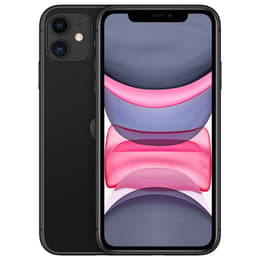
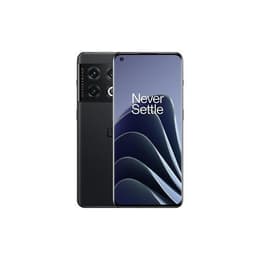
The iPhone 11, released in September 2019, and the OnePlus 10 Pro, launched in January 2022, represent distinct approaches to smartphone design and functionality from their respective manufacturers. While both are capable devices, they differ significantly in their operating systems, display technologies, and camera capabilities. The iPhone 11 operates within Apple's iOS ecosystem, offering a streamlined user experience, whereas the OnePlus 10 Pro runs on Android, providing greater customization. These core differences cater to varying user preferences and priorities.
Colour
Storage
The longevity of a smartphone is influenced by its release timeline, software support, and physical durability. The iPhone 11, introduced in September 2019, has a longer operational history compared to the OnePlus 10 Pro, which debuted in January 2022.
Year of Release
Compatible with latest Update
OS
Foldable
When evaluating performance, both devices offer capable experiences, but the newer OnePlus 10 Pro generally provides a more advanced and responsive interaction due to its more recent hardware.
The visual experience on these two devices presents a clear distinction, primarily due to differences in display technology and resolution.
Resolution
Screen type
The camera systems of the iPhone 11 and OnePlus 10 Pro offer different strengths and capabilities, reflecting their respective release dates and photographic philosophies.
Main camera
Front camera
Beyond core performance and display, several practical elements contribute to the overall user experience of these smartphones.
Weight
Screen size (in)
Network
SIM card
Carrier compatibility
The iPhone 11 and OnePlus 10 Pro cater to different user needs and preferences, reflecting their respective release timelines and design philosophies. The iPhone 11 is often praised for its consistent and reliable performance, its intuitive iOS ecosystem, and its strong software support longevity, which extends for several years post-release. Users appreciate its straightforward camera system, particularly the introduction of Night mode, which significantly improved low-light photography for its time. However, common criticisms include its LCD display, which offers lower resolution and a standard refresh rate compared to newer devices, and its older design aesthetic.
The OnePlus 10 Pro, on the other hand, receives commendation for its vibrant, high-resolution AMOLED display with an adaptive 120Hz refresh rate, providing a smooth and immersive visual experience. Its fast charging capabilities and powerful performance for demanding tasks are also frequently highlighted as strong advantages. Criticisms sometimes revolve around its durability, particularly concerning bend tests, and occasional inconsistencies in camera performance for some users, despite the Hasselblad partnership.
Users prioritizing long-term software updates, a familiar and integrated ecosystem, and a slightly more compact form factor may find the iPhone 11 well-suited to their needs. Conversely, users who value a cutting-edge display, faster charging speeds, and a more versatile camera system with advanced features will likely lean towards the OnePlus 10 Pro. Both devices offer compelling experiences, and choosing between them often comes down to individual priorities regarding operating system preference, display quality, and specific camera features. For those considering either device, exploring quality-assured refurbished options can provide an eco-friendly alternative to new purchases.









