
Galaxy S25 Vs iPhone 16 Plus

Galaxy S25
Galaxy S25
Starting at

Refurbished price:483.00

Versus €910.00 new

See options
iPhone 16 Plus
iPhone 16 Plus
Starting at

Refurbished price:559.00

Versus €979.00 new

See options

Ratings

The Samsung Galaxy S25, released in February 2025, and the Apple iPhone 16 Plus, launched in September 2024, represent two distinct approaches to flagship smartphone design and functionality. While both devices offer premium experiences, they cater to different user preferences through their respective operating systems and hardware philosophies. Key differentiators include their display technology, camera configurations, and overall physical dimensions.

Scores

Durability

Both the Galaxy S25 and the iPhone 16 Plus are designed for long-term use, benefiting from extensive software support and robust build quality.

  • Release Timeline: The iPhone 16 Plus was released in September 2024, making it slightly older than the Galaxy S25, which debuted in February 2025. This difference in release dates means the iPhone 16 Plus has already received several software updates since its launch.
  • OS Support Duration: The Galaxy S25 is guaranteed to receive seven generations of Android OS upgrades and seven years of security updates, launching with Android 15. Apple typically provides several years of major iOS updates and extended security patches, with the iPhone 16 series expected to receive updates for a long duration, potentially up to 2036. The iPhone 16 Plus launched with iOS 18.
  • Durability Features: The Galaxy S25 features an Armor Aluminum frame and Corning Gorilla Glass Victus 2 for scratch protection. The iPhone 16 Plus incorporates Ceramic Shield for display protection and an aluminum frame. Both devices carry an IP68 rating for dust and water resistance.

Year of Release

2025

2024

Foldable

No

No

Performance

Both devices offer high-level performance suitable for demanding applications and multitasking, though they achieve this through different hardware architectures.

  • Storage Options: The Galaxy S25 is available with 128GB or 256GB of internal storage. The iPhone 16 Plus offers more flexibility with 128GB, 256GB, and 512GB storage configurations.
  • Battery Behavior: The Galaxy S25 is equipped with a 4000 mAh battery, with users reporting it can last a full day even with heavy use. The iPhone 16 Plus features a 4674 mAh battery, and has been noted for its very long battery life.
  • System Responsiveness: The Galaxy S25 utilizes a current-generation processor optimized for its ecosystem, providing smooth performance across demanding apps and games. The iPhone 16 Plus is powered by a chip that delivers a significant leap in performance and efficiency, ensuring demanding applications and multitasking run smoothly.
  • Multitasking Capabilities: The Galaxy S25 comes with 12GB of RAM, which supports extensive multitasking and keeps numerous applications active in the background. The iPhone 16 Plus includes 8GB of RAM, which is optimized by its operating system for efficient app management and smooth transitions between tasks.

Memory (GB)

12 GB

8 GB

Screen quality

The display experience on these two smartphones presents a clear distinction in terms of size, technology, and refresh rate.

  • Display Technology and Clarity: The Galaxy S25 features a 6.2-inch Dynamic AMOLED 2X display with a Full HD+ resolution (2340 x 1080 pixels). The iPhone 16 Plus sports a larger 6.7-inch Super Retina XDR OLED display with a resolution of 2796 x 1290 pixels. Both technologies offer vibrant colors and deep blacks.
  • Refresh Rate and Smoothness: A notable difference is the refresh rate; the Galaxy S25 offers a 120Hz refresh rate, providing smoother scrolling and more fluid animations. In contrast, the iPhone 16 Plus maintains a 60Hz refresh rate, which is less fluid for fast-moving content or scrolling compared to its competitor.
  • Brightness Levels: The iPhone 16 Plus's display can reach a peak brightness of 2,000 nits, ensuring good visibility in bright outdoor conditions. While specific peak brightness for the base Galaxy S25 is not explicitly detailed in all sources, the S25 series generally offers bright displays suitable for various lighting environments.
  • Screen Size and Viewing Experience: The iPhone 16 Plus provides a larger 6.7-inch screen, offering a more expansive viewing area for media consumption and productivity. The Galaxy S25, with its 6.2-inch display, offers a more compact form factor that is easier for one-handed use.

Resolution

1080x2340

1290 x 2796

Screen type

Dynamic LTPO AMOLED 2X

Super Retina XDR OLED

Audiovisual

Both devices offer capable camera systems, but they differ in their hardware configurations and photographic strengths.

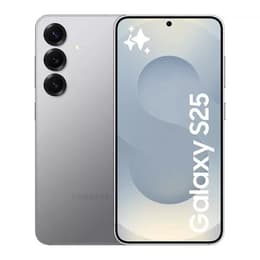
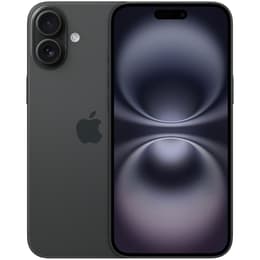
  • Camera System Capabilities: The Galaxy S25 features a versatile triple-camera setup on the rear, including a 50MP wide-angle lens, a 10MP telephoto lens, and a 12MP ultra-wide lens. This configuration provides optical zoom capabilities. The iPhone 16 Plus comes with a dual-camera system, featuring a 48MP wide-angle camera and a 12MP ultra-wide camera. It lacks a dedicated telephoto lens.
  • Photography Performance: The Galaxy S25 benefits from its Next Gen ProVisual Engine, enhancing image processing and offering improved low-light performance and accurate focus. The iPhone 16 Plus's 48MP main sensor captures significant detail, and its low-light performance is noted for producing decent and realistic night samples.
  • Video Recording Quality: The Galaxy S25 is capable of shooting 8K video at 30fps and 4K video at 60fps. The iPhone 16 Plus can capture 4K video at 60fps and includes features like spatial photos and videos for viewing on compatible headsets.
  • Front Camera and Audio: Both devices feature a 12MP front camera for selfies and video calls. The iPhone 16 Plus includes impressive audio mix features for video. The Galaxy S25 has improved speaker sound quality compared to its predecessor.

Miscellaneous

Beyond core specifications, several practical elements contribute to the overall user experience of these smartphones.

  • Connectivity Options: Both the Galaxy S25 and iPhone 16 Plus support 5G connectivity and the latest Wi-Fi 7 standard, ensuring fast wireless data speeds. They also include Bluetooth 5.3 (iPhone 16 Plus) or 5.4 (Galaxy S25) and NFC for contactless payments.
  • Port Types: Both smartphones have adopted the USB-C charging port, offering universal compatibility with modern accessories and faster data transfer speeds compared to older standards.
  • Useful Sensors and Features: The iPhone 16 Plus features Face ID for secure facial recognition and includes an Action Button, which is customizable for quick access to various functions. The Galaxy S25 offers an in-display fingerprint sensor for biometric authentication and integrates Galaxy AI features for enhanced user interaction.
  • Weight and Dimensions: The Galaxy S25 is a more compact device, measuring 146.9mm x 70.5mm x 7.2mm and weighing 162g. The iPhone 16 Plus is larger and heavier at 160.9mm x 77.8mm x 7.8mm and 199g. The Galaxy S25's lighter and slimmer design may make it easier to handle for some users.

Weight

162 g

199 g

Screen size (in)

6.2

6.7

Network

5G

5G

SIM card

Physical SIM + eSIM

eSIM

Carrier compatibility

Unlocked

Unlocked

User feedback for the Galaxy S25 often praises its compact size, comfortable handling, and the smooth experience provided by its 120Hz display. Its strong performance and long software support are also frequently highlighted. Some users have noted that while the camera is dependable, it may not always produce the most vivid colors compared to some competitors, and charging speeds are considered average. The battery life is generally well-regarded for a phone of its size.

The iPhone 16 Plus receives commendation for its very long battery life, robust performance, and the inclusion of the customizable Action Button. Its large display is appreciated for media consumption. Common criticisms include the 60Hz refresh rate, which some users find less smooth than competing devices, and the absence of a dedicated telephoto camera. Some users also feel that the generational upgrades from its predecessor were not substantial enough to warrant an immediate switch.

Users prioritizing a more compact device with a high refresh rate display and a versatile triple-camera system, including a telephoto lens, may find the Samsung Galaxy S25 well-suited to their needs. Conversely, individuals who value a larger screen, exceptionally long battery life, and the Apple ecosystem's integration, and who are content with a 60Hz display and a dual-camera setup, may lean towards the iPhone 16 Plus. Both devices offer a quality-assured refurbished option, providing an eco-friendly alternative for consumers seeking premium technology with a reduced environmental impact.


See all articles

Our recent comparisons







