

iPhone 11 Pro Vs iPhone 14 Pro Max

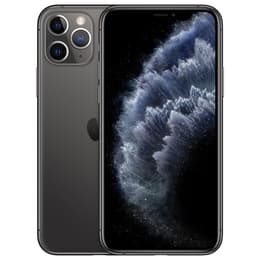
iPhone 11 Pro
iPhone 11 Pro
Starting at

Refurbished price:181.00

Versus €809.00 new

See options
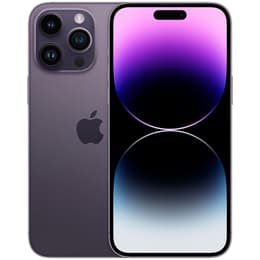
iPhone 14 Pro Max
iPhone 14 Pro Max
Starting at

Refurbished price:446.00

Versus €1,489.00 new

See options

Ratings

The iPhone 11 Pro, released in September 2019, and the iPhone 14 Pro Max, launched in September 2022, represent different generations within Apple's premium smartphone lineup. While both devices operate on the iOS ecosystem, the three-year gap introduces notable advancements in display technology, camera capabilities, and overall processing power. This comparison aims to highlight the practical differences between these two models to assist users in making an informed decision based on their individual needs and priorities.

Scores

Durability

When considering the long-term usability of a smartphone, factors like release timeline, software support, and repairability are key. The iPhone 11 Pro and iPhone 14 Pro Max offer varying lifespans in these aspects.

  • Release Timeline and Software Support: The iPhone 11 Pro, released in 2019, is expected to receive major iOS updates until approximately fall 2026, with security updates potentially extending for another year or two. The iPhone 14 Pro Max, launched in 2022, will benefit from a longer software support window, likely receiving major iOS updates until around 2029 or 2030, offering a more extended period of access to new features and security enhancements.
  • Repairability: The iPhone 11 Pro Max received a repairability score of 6 out of 10 from iFixit, noting that critical display and battery repairs are prioritized in its design. The iPhone 14 Pro Max initially received a higher repairability score due to easier access to internal components, but this was later downgraded to 4 out of 10 due to challenges with software verification for replacement parts. This indicates that while hardware access might be improved on the newer model, software restrictions can complicate repairs.
  • Expected Practical Lifespan: Users typically find that iPhones remain functional and capable for several years beyond their last major iOS update, especially for everyday tasks. The iPhone 14 Pro Max, being a newer device, naturally offers a longer practical lifespan before performance or app compatibility becomes a significant concern.

Year of Release

2019

2022

Compatible with latest Update

Yes

Yes

OS

iOS

iOS

Foldable

No

No

Performance

The performance of a smartphone directly impacts daily usage, from launching applications to handling demanding tasks. The iPhone 11 Pro and iPhone 14 Pro Max exhibit distinct capabilities in this area.

  • Processor Capabilities: The iPhone 11 Pro is equipped with a capable processor that handles everyday applications and multitasking smoothly. For users primarily engaging in web browsing, social media, and standard productivity apps, its performance remains robust. The iPhone 14 Pro Max features a significantly more advanced processor, providing a noticeable boost in speed and efficiency. This translates to faster app loading times, smoother transitions, and enhanced performance in graphically intensive games and professional-grade applications.
  • Multitasking and Responsiveness: The iPhone 11 Pro comes with 4GB of RAM, which is sufficient for typical multitasking. The iPhone 14 Pro Max includes 6GB of RAM, allowing for more applications to remain active in the background and providing a more fluid experience when switching between demanding apps. This increased RAM contributes to the overall responsiveness of the newer device.
  • Battery Behavior: The iPhone 11 Pro offers solid battery life, often lasting a full day for moderate users. The iPhone 14 Pro Max, with its larger battery capacity and more efficient components, generally provides extended usage times, often exceeding a full day even with heavy use. However, features like the Always-On display can impact its overall endurance.
  • Storage Options: The iPhone 11 Pro was available with 64GB, 256GB, and 512GB storage options. The iPhone 14 Pro Max starts at 128GB and extends up to 1TB, offering more flexibility for users with extensive storage needs for photos, videos, and applications.

Memory (GB)

4 GB

6 GB

Screen quality

The display is a primary interface for smartphone interaction, and both models offer high-quality viewing experiences with key differences.

  • Display Technology and Size: Both devices feature OLED displays, known for deep blacks and vibrant colors. The iPhone 11 Pro has a 5.8-inch Super Retina XDR OLED display. The iPhone 14 Pro Max boasts a larger 6.7-inch Super Retina XDR OLED display, providing a more expansive viewing area.
  • Resolution and Clarity: The iPhone 11 Pro offers a resolution of 2436 by 1125 pixels at 458 pixels per inch (ppi). The iPhone 14 Pro Max features a resolution of 2796 by 1290 pixels at 460 ppi, resulting in a slightly sharper image on its larger screen.
  • Brightness Levels: The iPhone 11 Pro has a typical maximum brightness of 800 nits, peaking at 1200 nits for HDR content. The iPhone 14 Pro Max significantly increases brightness, offering 1000 nits typical, 1600 nits peak for HDR, and up to 2000 nits peak brightness for outdoor use, enhancing visibility in bright conditions.
  • Refresh Rate and Smoothness: The iPhone 11 Pro features a standard 60Hz refresh rate. The iPhone 14 Pro Max incorporates ProMotion technology, offering an adaptive refresh rate that can go up to 120Hz. This results in noticeably smoother scrolling and more fluid animations on the newer device. The iPhone 14 Pro Max also introduces an Always-On display and the Dynamic Island, which replaces the traditional notch for notifications and live activities.

Resolution

1125 x 2436

1290 x 2796

Screen type

Super Retina XDR OLED

LTPO Super Retina XDR OLED

Audiovisual

Photography and videography capabilities have seen significant evolution between these two iPhone generations.

  • Camera System Capabilities: The iPhone 11 Pro features a triple 12MP camera system, including Ultra Wide, Wide, and Telephoto lenses, with Night Mode for improved low-light photography. The iPhone 14 Pro Max also has a triple camera system, but it upgrades the main sensor to 48MP, alongside 12MP Ultra Wide and Telephoto lenses. It also introduces advanced computational photography features like the Photonic Engine.
  • Low-Light and Everyday Photography: While the iPhone 11 Pro's Night Mode was a significant improvement for its time, the iPhone 14 Pro Max offers enhanced low-light performance with its larger main sensor and Photonic Engine, capturing more detail and better color accuracy in challenging conditions. For everyday photos, both deliver excellent results, but the 14 Pro Max provides greater detail, especially with its 48MP main camera.
  • Video Recording Quality: Both models support 4K video recording at various frame rates. The iPhone 14 Pro Max introduces Cinematic Mode up to 4K HDR at 30 fps and Action Mode for smoother handheld video, offering more creative and stable video capture options.
  • Audio and Speakers: Both devices offer stereo speakers for an immersive audio experience. User perception of speaker quality can vary, but both are generally considered clear for calls and media consumption. The microphone quality on both is suitable for calls and basic recording.

Main camera

12 megapixels

48 megapixels

Front camera

12 megapixels

12 megapixels

Miscellaneous

Beyond core features, several practical elements differentiate the iPhone 11 Pro and iPhone 14 Pro Max, impacting daily convenience and user experience.

  • Connectivity Options: The iPhone 11 Pro supports 4G LTE and Wi-Fi 6. The iPhone 14 Pro Max upgrades to 5G connectivity, offering faster cellular data speeds in supported areas, and features Bluetooth 5.3 compared to the 11 Pro's Bluetooth 5.0.
  • Port Types and Sensors: Both models utilize Apple's Lightning port for charging and data transfer. For biometric security, both rely on Face ID. The iPhone 14 Pro Max also includes an Ultra Wideband chip for enhanced spatial awareness.
  • Weight and Dimensions: The iPhone 11 Pro is a more compact device, weighing 188 grams with a 5.8-inch display. The iPhone 14 Pro Max is a larger and heavier device, weighing 240 grams with its 6.7-inch display. This size difference significantly impacts one-handed use and pocketability.
  • Build Materials and Durability: Both phones feature a stainless steel frame and glass backs. The iPhone 14 Pro Max introduces Ceramic Shield on the front, which offers improved drop performance compared to the glass on the iPhone 11 Pro. Both are rated IP68 for water and dust resistance, though the 14 Pro Max has a slightly higher depth rating.

Weight

188 g

120 g

Screen size (in)

5.8

6.7

Network

4G

5G

SIM card

Physical SIM + eSIM

Physical SIM + eSIM

Carrier compatibility

Unlocked

Unlocked

Connector

Lightning

Lightning

User sentiment for the iPhone 11 Pro often highlights its balanced size, robust performance for its generation, and excellent battery life as key strengths. Many users appreciate its comfortable in-hand feel and the quality of its camera system, particularly the introduction of Night Mode. Criticisms sometimes point to the larger notch and the 60Hz display, which can feel less fluid compared to newer devices.

The iPhone 14 Pro Max is frequently praised for its expansive and vibrant ProMotion display, the versatility and significant upgrades to its camera system, and its powerful processing capabilities that ensure smooth operation across all tasks. The Dynamic Island is often cited as an innovative interface element. Some users find its larger size and weight to be a consideration, and while battery life is generally excellent, the Always-On display can impact it.

Users prioritizing a more compact device with solid performance for everyday tasks and a capable camera system may find the iPhone 11 Pro well-suited to their needs. It remains a reliable device for general use. Conversely, users who prioritize the latest display technology, a larger screen for media consumption or productivity, advanced camera features, and the most powerful performance for demanding applications will likely lean towards the iPhone 14 Pro Max. Its extended software support also makes it a choice for those seeking a longer-term investment.

For those considering either model, exploring quality-assured refurbished options can provide an eco-friendly alternative, extending the life of these devices and contributing to a more sustainable consumption cycle.


See all articles

Our recent comparisons