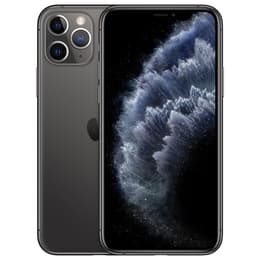
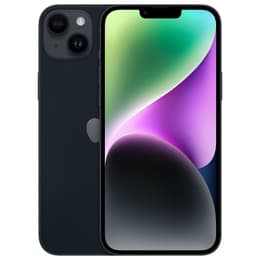


iPhone 11 Pro Vs iPhone 14 Plus

iPhone 11 Pro
iPhone 11 Pro
Starting at

Refurbished price:181.00

Versus €809.00 new

See options
iPhone 14 Plus
iPhone 14 Plus
Starting at

Refurbished price:317.00

Versus €879.00 new

See options

Ratings

The iPhone 11 Pro, released in September 2019, and the iPhone 14 Plus, launched in October 2022, represent distinct offerings within Apple's smartphone lineup. While both devices operate on the iOS platform, they cater to different user preferences through variations in their display size, camera capabilities, and overall performance. The iPhone 14 Plus, being a more recent model, introduces advancements in processing power, battery endurance, and safety features, whereas the iPhone 11 Pro offers a more compact form factor with a versatile camera system.

Scores

Durability

The three-year gap between the release of these two models significantly impacts their long-term software viability and physical resilience.

  • Software Longevity: The iPhone 11 Pro, released in 2019, is expected to receive major iOS updates until approximately fall 2026, likely concluding with iOS 26. After this, it may continue to receive security patches for an additional year or two. The iPhone 14 Plus, launched in 2022, is anticipated to receive major iOS updates for several more years, potentially until 2034, offering a longer period of access to new features and security enhancements.
  • Physical Build and Repair: The iPhone 11 Pro features a stainless steel frame, contributing to its structural rigidity, and has an IP68 rating for dust and water resistance. It received an iFixit repairability score of 6 out of 10, indicating that critical display and battery repairs are relatively accessible. The iPhone 14 Plus utilizes an aerospace-grade aluminum frame and incorporates a Ceramic Shield front cover for enhanced drop protection, also carrying an IP68 rating. Both models are widely supported by repair services, and choosing a quality-assured refurbished option is a practical way to access these durable designs.
  • Expected Practical Lifespan: Users who prioritize having the latest software features for an extended period will find the iPhone 14 Plus more future-proof. However, the iPhone 11 Pro remains a capable device for users who do not require the absolute latest software updates, especially with continued security support.

Year of Release

2019

2022

Compatible with latest Update

Yes

Yes

OS

iOS

iOS

Foldable

No

No

Performance

Daily responsiveness and multitasking capabilities differ between these generations due to advancements in internal architecture and memory management.

  • Processor Capabilities: The iPhone 11 Pro is powered by an older-generation processor, which still handles everyday applications and general tasks smoothly. However, for more demanding applications, intensive gaming, or heavy multitasking, users might experience slightly longer loading times or less fluid transitions.
  • System Responsiveness: The iPhone 14 Plus features a more advanced processor, providing a noticeable boost in speed and efficiency. This translates to quicker app launches, smoother navigation, and more seamless handling of graphically intensive games and complex applications.
  • Multitasking and Storage: The iPhone 11 Pro comes with 4GB of RAM, while the iPhone 14 Plus is equipped with 6GB of RAM. This increased memory in the iPhone 14 Plus allows it to keep more applications active in the background without needing to reload them, enhancing the multitasking experience. Both devices offer various storage options, with the iPhone 14 Plus starting at a higher base storage capacity.

Memory (GB)

4 GB

6 GB

Screen quality

The viewing experience is a significant differentiator between these two devices, primarily due to their physical dimensions and display characteristics.

  • Display Technology and Clarity: Both the iPhone 11 Pro and iPhone 14 Plus feature Super Retina XDR OLED displays, offering deep blacks, high contrast, and vibrant colors. The iPhone 11 Pro has a 5.8-inch display with a resolution of 1125x2436 pixels, resulting in a pixel density of 458 pixels per inch. The iPhone 14 Plus boasts a larger 6.7-inch display with a resolution of 1284x2778 pixels, providing a similar pixel density of 457 ppi.
  • Brightness Levels: While both displays offer excellent brightness, the iPhone 14 Plus achieves higher peak brightness levels, which can make the screen easier to read and view content more clearly under direct sunlight or in brightly lit environments.
  • Screen Size and Viewing Experience: The iPhone 11 Pro's 5.8-inch display offers a compact and easily manageable form factor, suitable for one-handed use. In contrast, the iPhone 14 Plus's expansive 6.7-inch display provides a more immersive viewing experience, ideal for media consumption, reading, and productivity tasks where screen real estate is beneficial. Both displays maintain a standard 60Hz refresh rate.

Resolution

1125 x 2436

1284 x 2778

Screen type

Super Retina XDR OLED

Super Retina XDR OLED

Audiovisual

The camera systems on the iPhone 11 Pro and iPhone 14 Plus offer different strengths, reflecting advancements in mobile photography over their respective release years.

  • Rear Camera System: The iPhone 11 Pro features a versatile triple 12MP camera setup, including wide, ultra-wide, and telephoto lenses. This telephoto lens provides optical zoom capabilities, which is beneficial for portrait photography and capturing distant subjects. It also includes Night Mode and Deep Fusion for improved low-light performance and detail. The iPhone 14 Plus comes with a dual 12MP camera system, comprising wide and ultra-wide lenses. While it lacks a dedicated telephoto lens, its main sensor is improved with a wider aperture and larger pixels, enhancing low-light capture. It also introduces the Photonic Engine for better image processing, Action Mode for video stabilization, and Cinematic Mode for video recording.
  • Front Camera and Video Quality: Both devices feature 12MP front cameras. The iPhone 14 Plus's front camera benefits from a wider aperture and autofocus, leading to improved low-light selfies and clearer group shots. Both models are capable of recording 4K video, with the iPhone 14 Plus offering enhanced stabilization features like Action Mode for smoother footage, particularly during movement.
  • Audio and Media Consumption: Both iPhones deliver clear audio for calls and media playback through their stereo speakers. The newer iPhone 14 Plus may offer slight improvements in audio processing, but both provide a satisfactory experience for general media consumption.

Main camera

12 megapixels

12 megapixels

Front camera

12 megapixels

12 megapixels

Miscellaneous

Beyond core specifications, several practical elements differentiate the user experience between these two iPhone models.

  • Connectivity and Ports: Both the iPhone 11 Pro and iPhone 14 Plus utilize the Lightning port for charging and data transfer. However, the iPhone 14 Plus supports 5G cellular connectivity, offering faster download and upload speeds in compatible areas, whereas the iPhone 11 Pro is limited to 4G LTE. The iPhone 14 Plus also features Bluetooth 5.3, an upgrade from the iPhone 11 Pro's Bluetooth 5.0, potentially offering more stable and efficient wireless connections.
  • Safety Features: The iPhone 14 Plus introduces advanced safety features such as Emergency SOS via Satellite and Crash Detection, which can automatically alert emergency services in critical situations. These features are not present in the iPhone 11 Pro.
  • Build Materials and Dimensions: The iPhone 11 Pro has a premium feel with its stainless steel frame and glass back, weighing 188 grams. Its dimensions are 144.00 x 71.40 x 8.10 mm, making it a more compact device. The iPhone 14 Plus features an aluminum frame with a Ceramic Shield front, weighing 203 grams. It is a larger device at 160.80 x 78.10 x 7.80 mm, offering a more expansive screen but a less compact feel. Both devices rely on Face ID for secure authentication.

Weight

188 g

150 g

Screen size (in)

5.8

6.7

Network

4G

5G

SIM card

Physical SIM + eSIM

eSIM

Carrier compatibility

Unlocked

Unlocked

Connector

Lightning

Lightning

User consensus from various tech communities highlights distinct strengths for both models. The iPhone 11 Pro is frequently praised for its premium feel and the inclusion of the telephoto lens, which remains a favorite for portrait photography. However, some users note that its battery life and screen size can feel restrictive by modern standards, and some have reported minor software glitches or overheating issues. Conversely, the iPhone 14 Plus receives high marks for its exceptional battery performance and large, vibrant display, though some users miss the dedicated zoom lens found on the older Pro models.

Users prioritizing a compact device, a dedicated telephoto camera for versatile photography, and a premium stainless steel build may find the iPhone 11 Pro well-suited to their needs. It remains a capable device for everyday use, especially for those who appreciate a smaller form factor. On the other hand, users who value a large display for media consumption, extended battery life that can comfortably last through a full day of heavy use, and the latest safety features and connectivity standards, including 5G, will likely lean toward the iPhone 14 Plus. For those looking to make a sustainable choice, opting for an eco-friendly alternative through a refurbished model allows for high-quality performance while reducing electronic waste. Ultimately, the decision rests on whether you prioritize the versatile camera and compact build of the 11 Pro or the expansive screen and modern endurance of the 14 Plus.

See all articles

Our recent comparisons