


Compare models

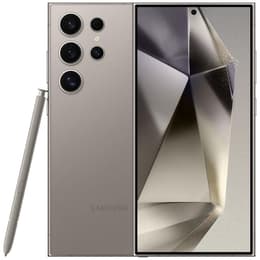
Galaxy S24 Ultra Vs Google Pixel 9a

  • 1-year minimum warranty
  • Free delivery on all orders
  • Free 30-day returns
Galaxy S24 Ultra
Starting at

Refurbished price:€538.00

Versus €1,586.25 new

See options
Google Pixel 9a
Starting at

Refurbished price:€361.00

Versus €586.09 new

See options

Differences at a glance

The Samsung Galaxy S24 Ultra (2024) and the Google Pixel 9a (2025) are advanced smartphones running on the Android operating system, though they cater to entirely different device categories and user preferences. While the Galaxy S24 Ultra functions as a large-format flagship powerhouse equipped with an integrated stylus, the Pixel 9a serves as a streamlined mid-range alternative focused on everyday efficiency and modern software features. Despite their different release years and tiers, both models offer distinct design philosophies that impact daily usability.

Available Models

Colour

Storage

Scores

Durability

When evaluating long-term utility, both devices benefit from extended software support windows designed to keep them functional for years, though their hardware builds and repair considerations differ.

  • Software Support Timeline: Both models feature extended update commitments from their respective manufacturers, ensuring multi-year security patches and operating system upgrades.
  • Build and Repairability: The Galaxy S24 Ultra utilizes robust titanium framing and durable glass, while the Pixel 9a combines an aluminum frame with a plastic back, presenting different structural weight distributions.
  • Expected Lifespan: High-capacity internal batteries and current-generation components in both devices support dependable, multi-year daily operation under normal usage conditions.

Year of Release

2024

2025

Compatible with latest Update

Yes

Yes

OS

Android

Android

Foldable

No

No

Performance

System responsiveness and everyday operation vary based on internal hardware configurations, memory allocations, and thermal management during intensive tasks.

  • Multitasking and Memory: The Galaxy S24 Ultra features larger RAM capacity for heavy multitasking, whereas the Pixel 9a handles daily apps and standard workloads efficiently with its optimized memory configuration.
  • App Loading and Gaming: Both models load standard applications smoothly, though high-end gaming and demanding graphic rendering run with greater thermal headroom on the higher-tier processor architecture of the Samsung device.
  • Battery Behavior: Battery endurance easily spans a full day of mixed usage on both smartphones, with the Pixel 9a utilizing a notably large capacity relative to its screen size.

Screen quality

Viewing experiences differ significantly due to screen dimensions, panel technologies, and physical form factors between the two devices.

  • Display Technology: The Galaxy S24 Ultra features a large flat-edged OLED screen with minimal bezels, whereas the Pixel 9a offers a slightly smaller pOLED panel with vivid contrast.
  • Outdoor Visibility: High peak brightness levels on both displays ensure text and images remain legible under direct sunlight or bright ambient lighting.
  • Refresh Rate and Smoothness: Both screens support adaptive high refresh rates up to 120Hz, providing fluid scrolling through web pages and smooth animation transitions.

Resolution

1440 x 3120

2424 x 1080

Audiovisual

Imaging capabilities reflect their distinct product positioning, offering flexible lens arrays or streamlined single-focus setups depending on the model.

  • Camera System Setup: The Galaxy S24 Ultra employs a versatile quad-lens array including high-resolution primary and optical zoom sensors, while the Pixel 9a relies on a dual-lens setup focused on core wide and ultra-wide photography.
  • Low-Light and Video: Both devices capture detailed low-light photos and stable high-definition video, utilizing computational processing to reduce noise in dim environments.
  • Media and Audio Output: Stereo speakers on both smartphones deliver clear audio output for hands-free calls, video streaming, and media consumption.

Front camera

12 megapixels

13 megapixels

Miscellaneous

Physical dimensions, connectivity standards, and daily handling characteristics establish distinct ergonomic profiles for each device.

  • Handling and Weight: The Galaxy S24 Ultra is a heavier, angular device designed for two-handed use, while the Pixel 9a is lighter with rounded edges for comfortable single-handed operation.
  • Biometrics and Security: Both models include secure biometric authentication via fast under-display fingerprint sensors and facial recognition options.
  • Connectivity and Ports: Standard modern connectivity features include 5G compatibility, Wi-Fi networking, Bluetooth standards, and reversible USB-C ports for charging and data transfer.

Weight

232 g

186 g

Screen size (in)

6.8

6.3

Network

5G

5G

SIM card

Dual Physical SIM + eSIM

Physical SIM + eSIM

Carrier compatibility

Unlocked

Unlocked

What the community thinks

User feedback from online forums highlights distinct preferences for each smartphone. Owners of the Galaxy S24 Ultra frequently praise its expansive display, versatile zoom photography, and the productivity utility of the integrated stylus. Conversely, users often note that its large physical footprint and heavier weight can feel cumbersome during prolonged one-handed use. Meanwhile, Pixel 9a users regularly commend the approachable size, reliable battery endurance, and clean software experience, though some note limitations in advanced manual camera controls compared to flagship tiers.

Choosing between these devices depends heavily on individual daily requirements. Users prioritizing expansive screen estate, maximum processing headroom, and advanced telephoto zoom will find the Galaxy S24 Ultra well-suited to their needs. On the other hand, users favoring a lighter physical profile, comfortable handling, and a streamlined software experience may prefer the Pixel 9a. For those exploring sustainable tech habits, a quality-assured refurbished option provides an eco-friendly alternative to purchasing newly manufactured hardware.