


Compare models
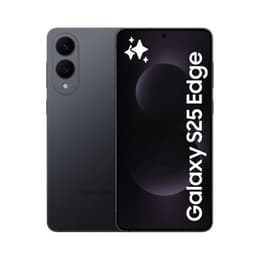
Galaxy S25 Edge Vs Google Pixel 9 Pro XL
- 1-year minimum warranty
- Free delivery on all orders
- Free 30-day returns
Differences at a glance
The Samsung Galaxy S25 Edge (2025) and the Google Pixel 9 Pro XL (2024) are advanced smartphones representing distinct approaches to mobile engineering, design, and software philosophy. While both models run on the Android operating system, they diverge significantly in physical form factor, internal processing architecture, and hardware layout. Choosing between these two devices depends largely on whether a user values an ultra-slim profile or a larger, media-centric layout with extensive multi-lens camera versatility.
Available Models
Colour
Storage (GB)
Scores
Durability
Both smartphones are built to remain functional and secure for many years, though their release timelines and support commitments differ slightly.
- Software Support Duration: Both manufacturers provide long-term software commitments, with Google and Samsung offering multi-year operating system updates and security patches to ensure long-term usability.
- Build Durability: The Galaxy S25 Edge utilizes a titanium frame and reinforced glass panels, whereas the Pixel 9 Pro XL relies on an aluminum frame and durable glass, both offering robust resistance to daily wear.
- Expected Lifespan: Thanks to powerful internal components and extended software update paths, both models are well-equipped to maintain reliable daily performance over several years of ownership.
Year of Release
2025
2024
OS
Android
Android
Foldable
No
No
Performance
Daily speed and efficiency vary based on how each device handles multitasking, power management, and heavy application usage.
- System Responsiveness: Both devices handle demanding applications, multitasking, and casual gaming smoothly, utilizing generous RAM allocations to keep multiple background processes active without stuttering.
- Battery Behavior: The Pixel 9 Pro XL features a larger battery capacity that accommodates extended heavy use throughout the day, while the slimmer Galaxy S25 Edge requires more frequent charging under heavy workloads due to its compact physical dimensions.
- Storage Configurations: Both models offer multiple internal storage tiers to accommodate large photo libraries, downloaded media, and offline applications without running out of space quickly.
Screen quality
Viewing experiences differ through display dimensions, panel technology, and maximum brightness output under varying lighting conditions.
- Display Technology: Both phones utilize vibrant OLED panels with deep black levels, high contrast ratios, and sharp resolutions that render text and images with high clarity.
- Outdoor Visibility: High peak brightness levels on both screens ensure that content remains legible and clear even under direct sunlight or bright outdoor environments.
- Refresh Rate: Both devices support high refresh rates up to 120Hz, providing smooth scrolling through web pages, fluid animations, and responsive touch interactions.
Resolution
1440x3120
1344 x 2992
Audiovisual
Photography and media consumption capabilities reflect different hardware configurations and optical setups on each device.
- Camera Systems: The Pixel 9 Pro XL features a versatile triple-lens rear setup including a dedicated telephoto zoom lens, while the Galaxy S25 Edge focuses on a dual-lens layout emphasizing high-resolution main photography.
- Video and Audio Output: Both models record stable, high-resolution video with clear audio capture, paired with balanced stereo speakers that deliver immersive sound for podcasts and streaming media.
- Low-Light Performance: Advanced image processing on both phones allows for detailed, bright photographs in dim environments without excessive grain or blur.
Miscellaneous
Physical dimensions and connectivity standards shape the everyday handling and portability of each smartphone.
- Handling and Portability: The Galaxy S25 Edge emphasizes an exceptionally thin and lightweight chassis that rests easily in one hand or a pocket, whereas the Pixel 9 Pro XL features a broader footprint and heavier build to accommodate its larger display.
- Connectivity Options: Both devices support modern 5G cellular networks, Wi-Fi standards, and Bluetooth for reliable wireless accessory pairing and fast data transfers.
Weight
163 g
221 g
Screen size (in)
6.7
6.8
Network
5G
5G
SIM card
Dual Physical SIM + eSIM
Physical SIM + eSIM
Carrier compatibility
Unlocked
Unlocked
Connector
USB-C
USB-C
What the community thinks
User feedback on community forums highlights distinct preferences for each device. Owners of the Galaxy S25 Edge frequently praise its remarkably thin profile and comfortable ergonomics, noting that it feels exceptionally light during daily handling. Conversely, users favor the Pixel 9 Pro XL for its reliable battery longevity, expansive screen space, and versatile multi-lens camera system.
Users who prioritize a lightweight, ultra-slim device that is easy to carry will find the Galaxy S25 Edge well-suited to their preferences, while users prioritizing extensive screen real estate and flexible photography options may lean toward the Pixel 9 Pro XL. For those interested in a sustainable choice, a quality-assured refurbished option provides a practical way to acquire either model while supporting eco-friendly technology consumption.