
Compare models

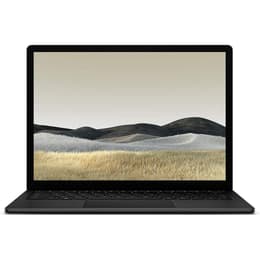
HP EliteBook 840 G5 14" Vs Microsoft Surface Laptop 3 13"

  • 1-year minimum warranty
  • Free delivery on all orders
  • Free 30-day returns
HP EliteBook 840 G5 14"
Starting at

Refurbished price:€310.29

Versus €1,000.00 new

See options
Microsoft Surface Laptop 3 13"
Starting at

Refurbished price:€230.00

Versus €689.99 new

See options

Differences at a glance

The HP EliteBook 840 G5 14" (2018) and the Microsoft Surface Laptop 3 13" (2019) are enterprise-focused portable computers designed for professionals, students, and everyday users who require reliable performance on the move. While both machines prioritize portability and secure computing environments, the HP EliteBook leans toward traditional business versatility with extensive modularity, whereas the Microsoft Surface Laptop 3 focuses on a minimalist design, a unique screen aspect ratio, and seamless integration into daily productivity workflows. Both run on Windows operating systems, though they approach physical connectivity and hardware design from distinct perspectives.

Available Models

Storage

Processor

Memory

Scores

Durability

When evaluating the longevity and ongoing support of these two computing devices, users must consider software update lifecycles, physical repairability, and expected daily utility over time.

  • Software Support and Updates: Both laptops receive regular operating system updates and security patches through standard platform channels, ensuring compatibility with modern software applications and secure browsing habits for the foreseeable future.
  • Repairability and Modularity: The HP EliteBook features a modular internal layout with easily swappable storage and memory components, while the Surface Laptop 3 utilizes a tightly integrated construction that requires specialized handling for internal component replacements, affecting long-term maintenance ease.
  • Expected Lifespan: Both models offer durable chassis builds designed to withstand regular transport, though the upgradeable memory and storage in the HP device provide more flexibility for sustaining performance across years of continuous usage.

Year of Release

2018

2019

OS

Windows 11

Windows 11

Performance

Daily computing tasks, multitasking efficiency, and overall system responsiveness differ slightly between these two models based on their internal hardware configurations and thermal management capabilities.

  • Everyday Multitasking and Speed: Both devices handle standard web browsing, document editing, and video conferencing smoothly, allowing users to switch between multiple productivity applications without noticeable system lag.
  • Storage and Memory Configurations: Storage capacities vary by specific configuration, but both laptops utilize fast solid-state storage architecture that enables rapid system boot times and quick file transfers, supported by adequate memory for routine professional tasks.
  • Battery Behavior: Battery endurance varies depending on workload intensity, with both machines typically lasting through a standard workday of mixed web browsing and text processing before requiring a recharge, though heavier tasks draw power more quickly.

Graphic card

Integrated Graphics

Integrated Graphics

Screen quality

The visual experience provided by each display differs significantly in screen size, aspect ratio, resolution, and overall clarity for various viewing tasks.

  • Display Technology and Aspect Ratio: The HP EliteBook features a traditional widescreen 14-inch display, whereas the Surface Laptop 3 utilizes a taller 3-inch screen with a unique 3:2 aspect ratio that displays more vertical content, making document editing and web reading particularly convenient.
  • Resolution and Sharpness: Both laptops offer clear, high-definition panels with accurate text rendering and vibrant colors, ensuring that spreadsheets, presentations, and media streams appear crisp and legible under indoor lighting conditions.
  • Surface Finish and Outdoor Usability: Display brightness levels on both models are well-suited for typical indoor office or classroom environments, though direct sunlight outdoors may require manual brightness adjustments to maintain screen visibility.

Audiovisual

Audio-visual communication tools and media consumption hardware play an important role in remote work, virtual meetings, and entertainment.

  • Webcam and Video Quality: Both devices include integrated webcams positioned above the display alongside microphones that capture clear audio for virtual meetings, reducing background noise during standard voice calls.
  • Speaker Output: Integrated stereo speakers deliver balanced sound for conference calls and casual video viewing, producing clear dialogue and sufficient volume for quiet spaces without requiring external speakers.
  • Media Consumption Experience: Combined with their respective display panels, the audio systems on both laptops provide an immersive environment for watching videos, listening to music, and participating in multimedia presentations.

Miscellaneous

Physical design choices, port availability, and peripheral connectivity options shape how each laptop integrates into an existing workspace or travel setup.

  • Port Selection and Connectivity: The HP EliteBook provides a wide array of physical ports including traditional USB-A connections, a USB-C port, and a full-size video output, whereas the Surface Laptop 3 relies on a more streamlined selection consisting primarily of a single USB-C port, a USB-A port, and a proprietary charging connection.
  • Physical Dimensions and Weight: Both laptops feature slim, lightweight profiles that fit easily into backpacks or briefcases, making them ideal travel companions for commuters and students who move frequently throughout the day.
  • Build Materials: Constructed from sturdy metal alloys, both chassis designs resist everyday wear and tear effectively while maintaining a professional aesthetic suited for corporate or academic environments.

Weight

1500 g

3000 g

Screen size

14

13

What the community thinks

Users prioritizing traditional port versatility, upgradeable internal components, and a standard widescreen display often find the HP EliteBook 840 G5 well-suited to their daily routines. Conversely, users who value a taller screen aspect ratio for document reading, a minimalist aesthetic, and streamlined portability frequently lean toward the Microsoft Surface Laptop 3. Choosing between these two devices ultimately depends on whether traditional connectivity and modular upkeep matter more than display proportions and streamlined design.

For those interested in sustainable technology acquisition, choosing a quality-assured refurbished option through platforms like Back Market offers an eco-friendly alternative that extends the lifecycle of these capable enterprise machines while supporting responsible resource consumption.

Our recent comparisons