
Google Pixel Fold Vs iPhone 14 Pro

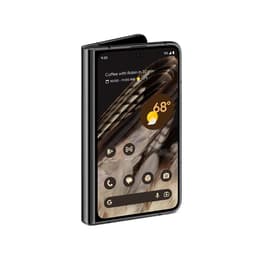
Google Pixel Fold
Google Pixel Fold
Starting at

Refurbished price:454.00

Versus €1,750.29 new

See options
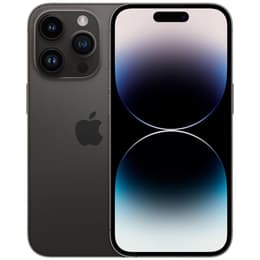
iPhone 14 Pro
iPhone 14 Pro
Starting at

Refurbished price:423.00

Versus €1,339.00 new

See options

Ratings

The Google Pixel Fold, released in June 2023, marks Google's entry into the foldable smartphone market, offering a unique dual-screen experience powered by the Android operating system. In contrast, the iPhone 14 Pro, launched in September 2022, is a high-end traditional smartphone running Apple's iOS. The primary distinctions between these two devices lie in their form factor and operating systems, catering to different user preferences for device interaction and ecosystem integration.

Scores

Durability

These devices offer different longevity profiles, largely influenced by their release dates and manufacturer support policies.

  • Software Support: The Pixel Fold, being a newer device, is expected to receive major Android updates and security patches for approximately five years from its release, extending support until at least June 2028. The iPhone 14 Pro, while older, typically receives iOS updates for five to six years from its launch, ensuring a long period of current software. Users can expect security updates for at least five years.
  • Physical Durability: The iPhone 14 Pro features a Ceramic Shield front cover and an IP68 rating for water and dust resistance, offering robust protection in a traditional form. The Pixel Fold has an IPX8 water resistance rating but, as a foldable, introduces a hinge mechanism and a flexible inner display, which are different considerations for long-term physical resilience compared to a rigid phone. The Pixel Fold received a repairability score of 6.5 out of 10, with some components like the battery being difficult to access.
  • Practical Lifespan: Both devices are built with high-quality materials and components designed for several years of use. Users can expect consistent performance and security updates for an extended period, with the Pixel Fold potentially having a slightly longer software support window from its purchase date due to its later release.

Year of Release

2023

2022

Compatible with latest Update

Yes

Yes

OS

Android

iOS

Foldable

Yes

No

Performance

Both smartphones deliver high-level performance, though they achieve it through different hardware and software optimizations.

  • Everyday Responsiveness: The iPhone 14 Pro handles demanding applications, complex multitasking, and graphic-intensive games with notable smoothness and speed. The Pixel Fold also offers capable performance, handling multitasking well, especially with its large display.
  • Multitasking Capabilities: The Pixel Fold excels in multitasking due to its large foldable screen, which supports multiple applications open side-by-side, similar to a small tablet. The iPhone 14 Pro, while efficient, offers a more traditional single-screen multitasking experience.
  • Thermal Management: Some users have noted that the Pixel Fold can experience higher temperatures during intensive use compared to the iPhone 14 Pro. The iPhone 14 Pro maintains consistent performance even under heavy loads, though some users report it can get hot during extended camera use.

Memory (GB)

12 GB

6 GB

Screen quality

The display experience is a key differentiator, with the Pixel Fold offering a versatile dual-screen setup and the iPhone 14 Pro providing a premium traditional display.

  • Display Technology and Size: The Pixel Fold features a 5.8-inch OLED outer display and a 7.6-inch OLED inner foldable display, both supporting a 120Hz refresh rate. The iPhone 14 Pro has a single 6.1-inch Super Retina XDR OLED display with ProMotion technology, also offering a 120Hz adaptive refresh rate.
  • Clarity and Brightness: Both screens offer excellent resolution, resulting in sharp text and detailed images. The iPhone 14 Pro's display can reach very high peak brightness levels of up to 2000 nits, making it highly visible even in direct sunlight. The Pixel Fold's displays also offer strong brightness, with peak levels up to 1550 nits on the outer screen and 1450 nits on the inner screen, suitable for various lighting conditions.
  • Viewing Experience: The Pixel Fold's wider aspect ratio on its outer screen provides a more comfortable phone-like experience when folded, and the unfolded inner screen offers an expansive, tablet-like canvas for media consumption and productivity. The iPhone 14 Pro's display is praised for its vibrant colors, deep blacks, and overall clarity.

Resolution

1840 x 2208

1179 x 2556

Screen type

Foldable OLED

LTPO Super Retina XDR OLED

Audiovisual

Both devices are equipped with advanced camera systems designed to capture high-quality photos and videos in various conditions.

  • Photography Performance: The iPhone 14 Pro features a versatile triple-camera system, including a high-resolution main sensor, excelling in detail, color accuracy, and low-light performance. The Pixel Fold also offers a capable triple-camera setup, with its main sensor delivering sharp images and good dynamic range, particularly benefiting from Google's computational photography features like Magic Eraser and Photo Unblur.
  • Zoom Capabilities: The Pixel Fold includes a telephoto lens with 5x optical zoom, allowing for closer and crisper high-resolution images at a distance. The iPhone 14 Pro features a telephoto lens with 3x optical zoom.
  • Video Recording and Selfies: The iPhone 14 Pro is recognized for its strong video capabilities, often used as a secondary camera in professional settings due to its quality and consistency. The Pixel Fold's video quality is good, though some users have noted potential noise in shadows during daytime recording. The Pixel Fold offers the unique ability to use its high-quality main cameras for selfies by unfolding the device, providing superior front-facing image quality compared to its dedicated 9.5MP front camera. The iPhone 14 Pro has a 12MP front camera with autofocus.

Main camera

48 megapixels

48 megapixels

Front camera

8 megapixels

12 megapixels

Miscellaneous

Beyond core performance, several practical elements differentiate these two devices in daily use.

  • Connectivity and Ports: The Pixel Fold supports Wi-Fi 6E, offering access to a less congested 6GHz band for potentially faster wireless speeds where available, alongside Bluetooth 5.2 and 5G cellular networks. It features a USB-C port. The iPhone 14 Pro supports Wi-Fi 6, Bluetooth 5.3, and 5G cellular networks, providing robust and efficient wireless connections. It utilizes a Lightning port.
  • Biometric Authentication: The Pixel Fold uses a side-mounted fingerprint sensor for secure access. The iPhone 14 Pro relies on Face ID, Apple's facial recognition system.
  • Design and Handling: The iPhone 14 Pro is a compact device, weighing 206g, designed for comfortable one-handed use, featuring a stainless steel frame. The Pixel Fold, when unfolded, offers a much larger screen area but is heavier at 283g and thicker when folded, impacting portability. The Pixel Fold's outer screen has Gorilla Glass Victus, while the inner foldable screen uses Ultra Thin Glass.

Weight

283 g

206 g

Screen size (in)

7.6

6.1

Network

5G

5G

SIM card

Physical SIM + eSIM

Physical SIM + eSIM

Carrier compatibility

Unlocked

Unlocked

Connector

USB-C

Lightning

The Google Pixel Fold and iPhone 14 Pro cater to distinct user needs, primarily defined by their form factor and operating system ecosystems. Users frequently praise the Pixel Fold for its innovative foldable design, which offers a large tablet-like screen for productivity and media consumption in a pocketable format. Its Android operating system provides extensive customization and integration with Google services, and its cameras are highly regarded for their computational photography. However, some users note its weight and the unique considerations of a foldable device, such as the durability of the inner display and hinge, as points of discussion.

The iPhone 14 Pro is consistently lauded for its smooth performance, highly capable and reliable camera system, and vibrant display. Its robust build quality and integration within the Apple ecosystem are also strong points. Criticisms sometimes include its smaller screen size for intensive multitasking compared to foldables, and some users have reported that the battery life, while solid, may require daily charging for heavy users.

Users prioritizing a large, versatile screen for multitasking and media consumption, those who enjoy the Android ecosystem's flexibility, and early adopters of innovative form factors may find the Google Pixel Fold well-suited to their needs. Conversely, users who value consistent performance, a highly capable and reliable camera system, a compact and robust traditional smartphone design, and deep integration within the Apple ecosystem will likely prefer the iPhone 14 Pro. For those considering either device, exploring quality-assured refurbished options can provide an eco-friendly alternative, extending the life cycle of these advanced smartphones.


See all articles

Our recent comparisons