
iPhone

Compare models
Differences at a glance
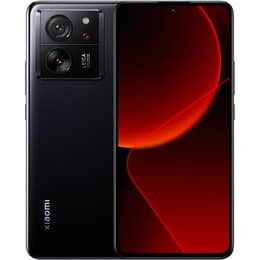
The Google Pixel 9 (released August 2024) and the Xiaomi 13T (released September 2023) are both modern smartphones offering distinct approaches to mobile technology. While the Pixel 9 emphasizes Google's advanced computational photography and extended software support, the Xiaomi 13T focuses on a high refresh rate display and a versatile camera system co-engineered with Leica. Both devices run on the Android operating system, providing a familiar user experience with their respective manufacturer's customizations.
Colour
Storage
When considering the long-term usability of a smartphone, factors like release timeline, software support, and physical durability play a significant role.
Year of Release
Compatible with latest Update
OS
Foldable
The performance of a smartphone is influenced by its internal components, affecting everything from app responsiveness to battery efficiency.
The display is a primary interface for smartphone interaction, and both devices offer high-quality viewing experiences with distinct characteristics.
Resolution
Screen type
Both smartphones offer advanced camera systems, each with unique strengths in capturing photos and videos.
Main camera
Front camera
Beyond core performance and camera, several practical elements contribute to the overall user experience of these devices.
Weight
Screen size (in)
Network
SIM card
Carrier compatibility
Connector
The Google Pixel 9 and Xiaomi 13T cater to different user priorities, each excelling in specific areas. Users frequently praise the Pixel 9 for its exceptional camera capabilities, particularly its computational photography features like Night Sight and Astrophotography, which consistently deliver high-quality images. Its extended software support of seven years is also a significant advantage, ensuring the device remains updated and secure for a prolonged period. However, some users have noted that while its battery life is improved over previous Pixel generations, it might not always be a top performer compared to some competitors, especially under heavy 5G usage.
The Xiaomi 13T is often lauded for its vibrant 144Hz AMOLED display, which provides a very smooth visual experience, and its fast 67W wired charging capability. The Leica-tuned camera system, including a dedicated telephoto lens, is also a strong point for those who appreciate versatile photography options and specific color science. On the other hand, some user feedback suggests that while the battery capacity is generous, real-world endurance can be underwhelming for intensive tasks like prolonged gaming. Additionally, its software update policy, while good, does not match the Pixel 9's extended commitment.
Users prioritizing a long-lasting software experience and advanced computational photography, particularly for low-light and AI-enhanced shots, may find the Google Pixel 9 to be a more suitable choice. Conversely, those who value a higher refresh rate display for fluid visuals, faster wired charging, and a versatile camera system with a dedicated telephoto lens and specific color profiles might lean towards the Xiaomi 13T. Both devices represent solid options in the Android ecosystem, and considering a quality-assured refurbished option for either model can be a sustainable choice for consumers.