
Google Pixel 9 Vs iPhone 14 Pro

Google Pixel 9
Google Pixel 9
Starting at

Refurbished price:376.00

Versus €1,066.71 new

See options
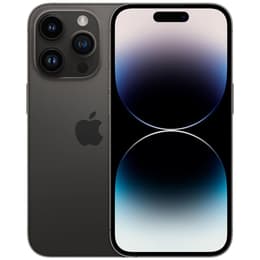
iPhone 14 Pro
iPhone 14 Pro
Starting at

Refurbished price:424.00

Versus €1,339.00 new

See options

Ratings

The Google Pixel 9, released in August 2024, and the iPhone 14 Pro, launched in September 2022, represent distinct approaches to high-end smartphone design and functionality. While both devices offer advanced mobile experiences, they differ significantly in their operating systems, core hardware, and feature sets. The Pixel 9 operates on Android, emphasizing artificial intelligence and a streamlined user interface, whereas the iPhone 14 Pro runs on iOS, known for its integrated ecosystem and robust performance. Key differentiators include their camera philosophies and display technologies.

Scores

Durability

The longevity of a smartphone is influenced by its release timeline, software support, and physical durability.

  • Software Support: The Google Pixel 9 is notable for its extended software commitment, offering seven years of OS and security updates, expected to last until at least August 2031. In contrast, the iPhone 14 Pro, released earlier, typically receives 5-6 years of major iOS updates, meaning its software support is anticipated to conclude around 2027-2028. This difference provides the Pixel 9 with a longer period of guaranteed feature enhancements and security patches.
  • Repairability: The Pixel 9 has a provisional repairability score of 5 out of 10, with components like the back plate and battery being relatively accessible for replacement, though some internal parts present challenges. The iPhone 14 Pro's repairability is generally considered moderate, with Apple providing parts and tools for independent repairs.
  • Physical Durability: Both devices feature robust construction. The Pixel 9 utilizes Gorilla Glass Victus 2 on its front and back, along with an IP68 rating for dust and water resistance. The iPhone 14 Pro is equipped with a Ceramic Shield front cover and a stainless steel frame, also boasting an IP68 rating for water and dust ingress.

Year of Release

2024

2022

Compatible with latest Update

Yes

Yes

OS

Android

iOS

Foldable

No

No

Performance

Performance in daily use is a critical aspect for any smartphone, impacting app responsiveness, multitasking, and overall user experience.

  • Processing Power: The Google Pixel 9 is powered by Google's Tensor G4 processor, designed to handle demanding applications and facilitate advanced on-device AI features smoothly. The iPhone 14 Pro features the A16 Bionic chip, known for its efficient handling of graphics-intensive tasks and consistent performance across various applications.
  • Multitasking and Storage: The Pixel 9 comes with 12GB of RAM, which supports fluid multitasking and efficient management of numerous open applications. The iPhone 14 Pro includes 6GB of RAM, optimized by iOS to provide a responsive experience even with multiple apps running simultaneously. Both devices offer various storage configurations, with the iPhone 14 Pro extending to a 1TB option.
  • Battery Behavior: The Pixel 9 houses a 4700 mAh battery, with many users reporting it comfortably lasts through a full day of use without significant overheating. The iPhone 14 Pro has a 3200 mAh battery; user experiences vary, with some finding it sufficient for a full day, while others note more frequent charging is needed, particularly with intensive camera use or gaming, and some reports of the device warming up under heavy load.

Memory (GB)

12 GB

6 GB

Screen quality

The display is the primary interface for smartphone interaction, and both models offer high-quality visual experiences.

  • Display Technology and Size: The Google Pixel 9 features a 6.3-inch OLED display, providing vibrant colors and deep blacks. The iPhone 14 Pro has a slightly smaller 6.1-inch Super Retina XDR OLED display, also known for its color accuracy and contrast.
  • Resolution and Brightness: The Pixel 9 offers a 2400x1080 pixel resolution (FHD+) with a pixel density of 425 ppi and a peak HDR brightness of 1800 nits. The iPhone 14 Pro boasts a 2556x1179 pixel resolution at 460 ppi, with a typical brightness of 1000 nits and a peak outdoor brightness of 2000 nits.
  • Refresh Rate and Features: Both devices feature a 120Hz refresh rate for smooth scrolling and animations. The Pixel 9's display can dynamically adjust its refresh rate, and it includes Adaptive Touch technology for improved responsiveness in various conditions. The iPhone 14 Pro incorporates ProMotion technology, allowing its refresh rate to adapt from 1Hz to 120Hz for power efficiency and fluidity, alongside an Always-On display and the Dynamic Island interface.

Resolution

1080 x 2424

1179 x 2556

Screen type

OLED

LTPO Super Retina XDR OLED

Audiovisual

Camera capabilities are a significant factor for many users, and both smartphones offer advanced photographic tools.

  • Rear Camera Systems: The Google Pixel 9 features a dual-camera setup, including a 50MP main sensor with optical and electronic image stabilization and a 48MP ultra-wide lens with a 123-degree field of view, offering autofocus and macro capabilities. The iPhone 14 Pro employs a triple-camera system: a 48MP main sensor with optical image stabilization, a 12MP ultra-wide lens, and two telephoto options (a 12MP 2x telephoto enabled by the main sensor and a dedicated 12MP 3x telephoto lens).
  • Photography Performance: The Pixel 9 is praised for its consistent image processing, strong low-light performance, and AI-driven features like 'Add Me'. The iPhone 14 Pro excels in capturing detailed images, particularly with its 48MP ProRAW option, and offers strong low-light performance, though its ultra-wide and telephoto lenses perform best in good lighting.
  • Video and Selfie Cameras: The Pixel 9 records 4K video at up to 60fps and has a 10.5MP front-facing camera with autofocus. The iPhone 14 Pro also offers high-quality video recording and features a 12MP front camera with autofocus.

Main camera

50 megapixels

48 megapixels

Front camera

10.5 megapixels

12 megapixels

Miscellaneous

Beyond core features, several practical elements contribute to the overall user experience of these devices.

  • Connectivity: Both the Google Pixel 9 and iPhone 14 Pro support 5G connectivity, ensuring access to fast mobile networks. They also include modern Wi-Fi standards and Bluetooth for wireless connections to accessories and other devices.
  • Ports and Biometrics: The Pixel 9 utilizes a USB-C port for charging and data transfer, aligning with a common standard across many electronic devices. It features an ultrasonic fingerprint reader for secure unlocking. The iPhone 14 Pro uses Apple's proprietary Lightning port and relies on Face ID for biometric authentication.
  • Design and Handling: The Pixel 9 has dimensions of 152.8 x 72.0 x 8.5mm and weighs 198g, featuring a design that some users describe as feeling similar to an iPhone in hand, with a distinctive camera visor. The iPhone 14 Pro, with its 6.1-inch screen, is also designed for comfortable handling, though some users have noted its weight due to the stainless steel frame.

Weight

198 g

206 g

Screen size (in)

6.3

6.1

Network

5G

5G

SIM card

Physical SIM + eSIM

Physical SIM + eSIM

Carrier compatibility

Unlocked

Unlocked

Connector

USB-C

Lightning

Choosing between the Google Pixel 9 and the iPhone 14 Pro involves weighing different priorities in a smartphone experience. User sentiment for the Pixel 9 often highlights its refined design, smooth software experience, and impressive camera capabilities, particularly its AI features. Some users have noted the absence of a telephoto lens on the base model and occasional inconsistencies with certain AI features or the fingerprint reader.

For the iPhone 14 Pro, common praise centers on its vibrant display, consistent performance, and the quality of its camera system, especially for general photography. Criticisms sometimes point to battery life concerns for heavy users and potential heating during extended camera use.

Users prioritizing long-term software support and a strong emphasis on artificial intelligence integration within the Android ecosystem may find the Google Pixel 9 well-suited to their needs. Its extended update policy offers a longer period of feature and security updates. Conversely, individuals deeply integrated into the Apple ecosystem who value a highly optimized user experience, a robust triple-camera system with optical zoom, and the Dynamic Island interface may lean towards the iPhone 14 Pro. Both devices offer a quality-assured refurbished option, providing an eco-friendly alternative for those seeking advanced technology with a reduced environmental impact.


See all articles

Our recent comparisons