

Compare models
Google Pixel 9 Pro Vs iPhone 17 Pro Max
- 1-year minimum warranty
- Free delivery on all orders
- Free 30-day returns
Differences at a glance
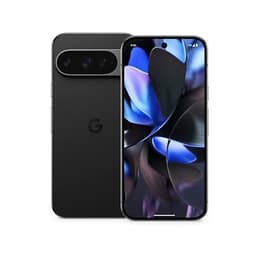
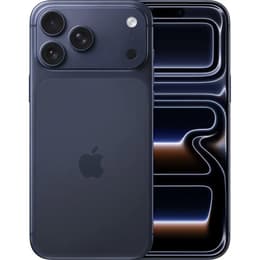
The Google Pixel 9 Pro (2024) and the Apple iPhone 17 Pro Max (2025) represent high-end flagship options from competing smartphone ecosystems. While the Pixel 9 Pro focuses on a compact physical footprint paired with advanced software intelligence, the iPhone 17 Pro Max delivers an expansive display and robust hardware capability. Operating on Android and iOS respectively, these devices cater to users seeking refined performance, though their distinct form factors and software philosophies offer separate pathways for daily productivity and media use.
Available Models
Colour
Storage
Scores
Durability
Both smartphones are built to handle years of regular use, though their launch timelines and software support structures differ. Exploring a quality-assured refurbished option serves as an eco-friendly alternative that extends device life cycles without sacrificing reliability.
- Software Support: Google provides multi-year operating system updates and security patches, aligning closely with Apple's established track record of long-term software maintenance.
- Build Longevity: Both devices feature resilient glass and metal chassis compositions alongside high-grade water resistance ratings designed to withstand daily environmental exposure.
- Repairability: Component accessibility varies by manufacturer design, though authorized service channels and modular internal layouts support structured repair workflows.
Year of Release
2024
2025
Compatible with latest Update
Yes
Yes
OS
Android
iOS
Foldable
No
No
Performance
System responsiveness and everyday utility remain robust across both models, though their internal hardware configurations handle multitasking and sustained loads differently. Opting for a certified refurbished model provides a sustainable choice that matches high performance standards with environmental responsibility.
- Multitasking and App Handling: Generous memory allocations and optimized processing architectures ensure smooth app switching, responsive navigation, and reliable execution of demanding software tasks.
- Storage Configurations: Multiple internal capacity tiers accommodate extensive media libraries, large document collections, and local application data without performance degradation.
- Energy Management: Battery endurance spans a full day of standard usage patterns, supported by efficient background power management and fast-charging capabilities.
Screen quality
Display engineering on both devices prioritizes high visual clarity, vibrant color reproduction, and seamless motion handling for media consumption and daily viewing tasks.
- Panel Technology: Advanced organic light-emitting diode displays deliver deep contrast levels, sharp text rendering, and accurate color profiles across diverse lighting environments.
- Outdoor Visibility: High peak brightness thresholds ensure on-screen content remains legible under direct sunlight or bright ambient conditions.
- Refresh Dynamics: Adaptive refresh rates scale smoothly between low and high frequencies, balancing visual fluidity during scrolling with power conservation during static tasks.
Resolution
1280 x 2856
2868x1320
Screen type
LTPO OLED
Super Retina XDR
Audiovisual
Imaging systems on both flagships feature versatile multi-lens hardware arrays capable of capturing detailed photographs and stable video recordings across varied scenarios.
- Lens Versatility: Comprehensive camera setups incorporate main wide-angle lenses, ultra-wide options, and dedicated telephoto zoom capabilities for flexible framing.
- Low-Light Capture: Advanced image processing sensors preserve shadow detail and reduce noise when shooting in dim environments.
- Audio and Video: Multi-microphone arrays capture clear speech during calls and video recordings, paired with balanced stereo speaker output for media playback.
Main camera
50 megapixels
48 megapixels
Front camera
42 megapixels
18 megapixels
Miscellaneous
Physical design traits and connectivity standards shape how each device fits into everyday routines and accessory ecosystems.
- Connectivity Standards: Modern wireless protocols including fast Wi-Fi standards, broad 5G compatibility, and precise location sensors ensure reliable network performance.
- Physical Handling: The Pixel 9 Pro emphasizes a smaller, pocket-friendly frame, whereas the iPhone 17 Pro Max utilizes a larger chassis tailored for expansive media viewing.
- Interface Ports: Standardized high-speed wired connection ports handle rapid data transfers and universal charging compatibility.
Weight
280 g
233 g
Screen size (in)
6.8
6.9
Network
5G
5G
SIM card
Physical SIM + eSIM
eSIM
Carrier compatibility
Unlocked
Unlocked
Connector
USB-C
USB-C
What the community thinks
User feedback from online communities highlights distinct preferences for each flagship device. Owners of the Google Pixel 9 Pro frequently praise its comfortable, compact handling, versatile multi-lens camera system, and integrated software assistance tools. Conversely, users of the iPhone 17 Pro Max often commend its expansive screen estate, dependable battery longevity under heavy loads, and smooth ecosystem integration. Common criticisms center on large physical dimensions for the larger device and occasional complexity within advanced software features.
Users prioritizing a pocket-friendly physical size and intuitive daily assistance may prefer the Google Pixel 9 Pro, while users prioritizing maximum screen space and extended multimedia endurance will lean toward the iPhone 17 Pro Max. Evaluating personal workflow requirements helps clarify which model fits specific daily habits.