

Compare models

Google Pixel 8a Vs Xiaomi 14

  • 1-year minimum warranty
  • Free delivery on all orders
  • Free 30-day returns
Google Pixel 8a
Starting at

Refurbished price:216.00

Versus €549.00 new

See options
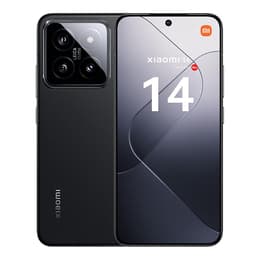
Xiaomi 14
Starting at

Refurbished price:402.00

Versus €1,099.00 new

See options

Differences at a glance

The Google Pixel 8A, released in May 2024, and the Xiaomi 14, launched globally in February 2024, are both contemporary smartphones running on the Android operating system. While the Pixel 8A focuses on a streamlined user experience with advanced AI integration, the Xiaomi 14 emphasizes high-end performance and a versatile camera system developed in collaboration with Leica. Both devices offer distinct approaches to modern smartphone technology, catering to different user priorities.

Available Models

Colour

Storage (GB)

Scores

Durability

When considering the long-term usability of a smartphone, factors like software support, physical resilience, and ease of repair are important. The Pixel 8A and Xiaomi 14 present different profiles in these areas.

  • Software Support: The Google Pixel 8A offers an extended commitment of seven years of software updates, including OS upgrades and security patches, from its May 2024 release. This provides a longer period of up-to-date features and security. The Xiaomi 14, released globally in February 2024, typically receives four years of OS updates and five years of security updates.
  • Physical Durability: The Pixel 8A features Corning Gorilla Glass 3 for screen protection and an IP67 rating for dust and water resistance, meaning it can withstand immersion in up to 1 meter of water for 30 minutes. The Xiaomi 14 is equipped with Gorilla Glass Victus for its display and boasts an IP68 rating, offering protection against dust and immersion in deeper water.
  • Repairability: The Xiaomi 14 generally scores higher in repairability, with a rating of 8.0 out of 10, noted for features like accessible battery pull tabs and easily removable screen cables. The Pixel 8A has a lower repairability score of 4.5 out of 10, partly due to the use of strong adhesives and a soldered charging port, which can make component replacement more challenging.

Year of Release

2024

2023

Compatible with latest Update

Yes

Yes

OS

Android

Android

Foldable

No

No

Performance

Both the Google Pixel 8A and the Xiaomi 14 are designed to deliver smooth performance for daily tasks, but they achieve this with different underlying hardware and offer varying levels of capability for more demanding applications.

  • Everyday Responsiveness: The Pixel 8A is powered by a current-generation processor, ensuring smooth navigation through its operating system and efficient handling of common applications. Users can expect quick app launches and fluid multitasking. The Xiaomi 14 features a high-performance processor, providing a very responsive experience across all applications, from casual browsing to intensive gaming.
  • Multitasking and Storage: The Pixel 8A comes with 8GB of RAM and offers storage options of 128GB or 256GB, which is sufficient for most users' app and data needs. The Xiaomi 14 provides more flexibility with 8GB, 12GB, or 16GB of RAM and storage configurations up to 1TB, utilizing faster storage technology for quicker data access and more seamless multitasking with numerous applications open.
  • Battery Behavior: The Pixel 8A's battery capacity typically allows for a full day of use under normal conditions, with some users reporting it lasting through a busy day. The Xiaomi 14, with a larger battery, is often noted for providing up to 1.5 days of usage, even with moderate to heavy activity, and supports very fast wired and wireless charging to minimize downtime.

Screen quality

The visual experience on a smartphone is largely defined by its display, and both the Pixel 8A and Xiaomi 14 offer vibrant screens, though with differences in technology and specifications.

  • Display Technology and Clarity: The Pixel 8A features a 6.1-inch OLED display with a resolution of 2400 x 1080 pixels, providing clear and colorful visuals. The Xiaomi 14 sports a slightly larger 6.36-inch LTPO AMOLED display with a higher resolution of 2670 x 1200 pixels, resulting in a sharper image with a higher pixel density.
  • Brightness and Smoothness: The Pixel 8A's display offers a 120Hz refresh rate for smoother scrolling and animations, with a peak brightness that allows for good visibility in various lighting conditions. The Xiaomi 14 also features an adaptive 1-120Hz refresh rate for fluid motion and improved power efficiency, and it boasts a significantly higher peak brightness, making it exceptionally visible even in direct sunlight.
  • Color and Viewing Experience: Both phones deliver rich and accurate colors typical of OLED technology. The Xiaomi 14's display supports a wider color gamut and higher color depth, contributing to a more immersive viewing experience for HDR content and detailed media consumption.

Resolution

1080 x 2400

1200 x 2670

Screen type

OLED

LTPO OLED

Audiovisual

Photography is a key aspect of modern smartphones, and both the Pixel 8A and Xiaomi 14 offer capable camera systems, each with its own strengths and features.

  • Rear Camera Systems: The Pixel 8A includes a dual-camera setup with a 64-megapixel main sensor and a 13-megapixel ultrawide lens, known for its reliable point-and-shoot capabilities and consistent color reproduction. The Xiaomi 14 features a more comprehensive triple-camera system, co-engineered with Leica, comprising three 50-megapixel lenses for main, ultrawide, and telephoto (3.2x optical zoom) photography, offering greater versatility.
  • Photography Features and Performance: The Pixel 8A excels in computational photography, offering AI-powered features like Magic Editor and Best Take, which enhance image quality and editing. It performs well in various lighting conditions, producing detailed and color-accurate images. The Xiaomi 14 provides a rich photographic experience with Leica-tuned color profiles and strong performance across its multiple lenses, including impressive low-light capabilities and effective macro photography.
  • Video Recording: The Pixel 8A supports 4K video recording at 30 frames per second on its main camera, with the ultrawide camera capping at Full HD. The Xiaomi 14 offers more advanced video capabilities, including 8K recording at 24 frames per second from its rear cameras and 4K at 60 frames per second from its front camera, along with enhanced stabilization.

Main camera

64 megapixels

50 megapixels

Front camera

13 megapixels

32 megapixels

Miscellaneous

Beyond core performance, several practical features and design elements contribute to the overall user experience of these devices.

  • Connectivity and Ports: Both smartphones support 5G connectivity, ensuring fast mobile data speeds. They both utilize a USB-C port for charging and data transfer. The Pixel 8A does not include a headphone jack, a common trend in modern smartphones. The Xiaomi 14 also lacks a headphone jack but includes an infrared blaster, which can be used to control various home electronics.
  • Biometric Security and Audio: The Pixel 8A offers face recognition and an under-display fingerprint sensor for secure unlocking. It provides a satisfactory audio experience for calls and media. The Xiaomi 14 also features an under-display optical fingerprint sensor and stereo speakers with Dolby Atmos support, enhancing the media consumption experience.
  • Design and Handling: The Pixel 8A has a compact form factor, measuring 152.1 x 72.7 x 8.9mm and weighing 188g, making it comfortable for one-handed use. It features a reinforced aluminum frame and a plastic back. The Xiaomi 14 is similarly compact at 152.8 x 71.5 x 8.2mm and weighs 193g, featuring an aluminum alloy body and a glass back, offering a premium in-hand feel.

Weight

188 g

188 g

Screen size (in)

6.1

6.36

Network

5G

5G

SIM card

Physical SIM + eSIM

Dual Physical SIM

Carrier compatibility

Unlocked

Unlocked

What the community thinks

User feedback for the Google Pixel 8A often praises its camera capabilities, highlighting its consistent results and useful AI-powered editing tools. Users also appreciate its long software support and compact size. Common criticisms sometimes point to its battery life, with some heavy users needing to charge before the end of the day, and occasional reports of the device warming up during intensive tasks.

The Xiaomi 14 receives commendation for its powerful performance, vibrant and bright display, and its versatile Leica-tuned camera system, which is often described as capable of producing impressive images. Its fast charging speeds and solid battery life are also frequently highlighted as strong points. Some users note that the HyperOS interface, while feature-rich, can be overwhelming.

Users prioritizing a long-term software commitment, a streamlined Android experience, and reliable point-and-shoot photography with smart editing features may find the Google Pixel 8A well-suited to their needs. Its compact design also appeals to those preferring a smaller device. Conversely, users who value cutting-edge performance, a highly versatile camera system with advanced optical capabilities, a brighter and sharper display, and exceptionally fast charging will likely lean towards the Xiaomi 14. Its robust build and higher water resistance also make it a strong contender for those seeking enhanced durability.

For those considering either of these devices, exploring quality-assured refurbished options can provide an eco-friendly alternative, allowing access to these advanced features while making a sustainable choice.