

Compare models

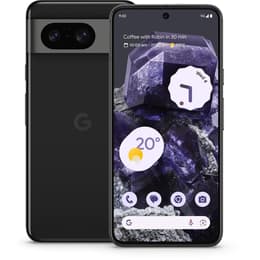
Google Pixel 8a Vs iPhone Air

  • 1-year minimum warranty
  • Free delivery on all orders
  • Free 30-day returns
Google Pixel 8a
Starting at

Refurbished price:€246.00

Versus €549.00 new

See options
iPhone Air
Starting at

Refurbished price:€717.00

Versus €1,339.00 new

See options

Differences at a glance

The Google Pixel 8a (2024) and the iPhone Air (2025) represent two distinct approaches to modern smartphone engineering. The Google Pixel 8a focuses on delivering an accessible, balanced Android experience in a compact form factor, while the iPhone Air emphasizes an ultra-slim, lightweight hardware design running iOS. While they operate on different software ecosystems and target distinct physical profiles, both devices handle everyday mobile tasks efficiently.

Available Models

Colour

Storage

Scores

Durability

Both smartphones provide robust long-term software backing, though their release timelines and hardware configurations dictate different maintenance paths.

  • Software Support: The iPhone Air benefits from extended iOS updates and high-tier security cycles, whereas the Pixel 8a includes Google's multi-year update commitment for Android releases.
  • Repairability: The Pixel 8a features a modular build structure that simplifies component replacements, while the iPhone Air's ultra-thin titanium chassis requires specialized repair procedures.
  • Longevity Expectations: Both devices maintain stable battery health management software, though users opting for a quality-assured refurbished option can extend the lifecycle of either model sustainably.

Year of Release

2024

2025

Performance

System responsiveness varies across these models based on internal hardware optimization and multitasking architecture.

  • Multitasking and Responsiveness: The iPhone Air handles intensive applications, split-screen workflows, and demanding mobile games effortlessly, while the Pixel 8a manages daily browsing and utility apps with steady, reliable fluidity.
  • Storage Configurations: The Pixel 8a offers streamlined baseline storage capacities, whereas the iPhone Air provides higher starting storage tiers to accommodate large media libraries.
  • Battery Behavior: The Pixel 8a's robust battery capacity sustains moderate daily use comfortably, whereas the iPhone Air balances its thinner battery footprint with power-efficient component design.

Screen quality

Display characteristics differ significantly in size, panel technology, and peak outdoor viewing capabilities.

  • Display Technology: Both models utilize vibrant OLED panels with deep contrast levels, though the iPhone Air features a slightly larger canvas compared to the compact Pixel 8a screen.
  • Refresh Rates: Both devices support high refresh rates, ensuring smooth scrolling through web pages, documents, and user interfaces.
  • Outdoor Visibility: High peak brightness levels on both displays ensure text and images remain legible under direct sunlight.

Audiovisual

Multimedia hardware and audio output cater to different content creation and consumption preferences.

  • Camera Systems: The Pixel 8a utilizes a versatile dual-lens rear camera setup, while the iPhone Air relies on a single high-resolution main lens supported by advanced computational imaging.
  • Video and Low Light: Both devices capture crisp low-light photos and stable high-definition video recordings with minimal digital noise.
  • Media Consumption: Built-in stereo and mono speaker configurations deliver clear audio output for casual video viewing and voice calls.

Miscellaneous

Physical dimensions, connectivity standards, and build materials define the day-to-day handling experience.

  • Build and Dimensions: The iPhone Air introduces a remarkably thin and lightweight titanium profile, whereas the Pixel 8a features a more traditional, pocket-friendly composite back and aluminum frame.
  • Connectivity: Both models support modern 5G cellular networks, multi-band Wi-Fi standards, and secure facial recognition features.
  • Port Type: Both devices utilize universal USB-C ports for charging and wired data transfers, aligning with current accessory standards.

Screen size (in)

6.1

6.5

Network

5G

5G

SIM card

Physical SIM + eSIM

eSIM

Carrier compatibility

Unlocked

Unlocked

What the community thinks

User feedback highlights the Pixel 8a for its reliable everyday utility, balanced size, and intuitive software environment, while the iPhone Air receives praise for its breakthrough lightweight profile and premium build quality. Common criticisms involve the Pixel 8a's modest charging speeds and the iPhone Air's reliance on a single rear camera system.

Users prioritizing a featherlight physical profile and the iOS ecosystem may prefer the iPhone Air, while users seeking a compact, repair-friendly Android device will find the Pixel 8a well-suited to their needs. Considering a quality-assured refurbished option provides an eco-friendly pathway to acquiring either device. Ultimately, the choice depends on personal operating system preference and physical handling priorities.