
iPhone

Compare models
Differences at a glance
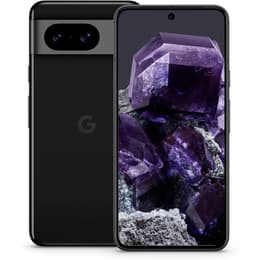
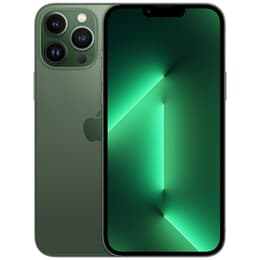
The Google Pixel 8, released in October 2023, and the iPhone 13 Pro, launched in September 2021, represent distinct approaches to the premium smartphone experience. While both devices offer advanced capabilities, they cater to different user preferences through their respective operating systems and core feature sets. The Pixel 8 emphasizes artificial intelligence and long-term software support within the Android ecosystem, whereas the iPhone 13 Pro focuses on a robust camera system and seamless integration within Apple's iOS environment.
Colour
Storage
When considering the practical lifespan of these devices, their release timelines and software support policies are key factors.
Year of Release
Both the Google Pixel 8 and iPhone 13 Pro deliver responsive performance for daily tasks, though their underlying hardware and optimization strategies differ.
The visual experience on both smartphones is vibrant, though there are distinctions in their display technologies and characteristics.
Both smartphones offer advanced camera systems, but they approach photography with different strengths and capabilities.
Beyond core features, several practical elements differentiate the user experience of these two devices.
Screen size (in)
Network
SIM card
Carrier compatibility
User feedback for the Google Pixel 8 often highlights its exceptional software longevity, with Google's commitment to seven years of updates being a significant draw. Users also frequently praise its advanced computational photography and the integration of AI features that enhance daily tasks. Some discussions have touched upon the thermal management of earlier Tensor chip generations, though the Pixel 8's processor has shown improvements.
The iPhone 13 Pro receives consistent acclaim for its robust performance, the versatility of its triple-camera system, and the overall polish of the iOS ecosystem. Users appreciate its ProMotion display and the quality of its video recording capabilities, including Cinematic Mode. Common observations sometimes point to the Lightning port as a less universal option compared to USB-C, and its design, while premium, features a larger notch than newer iPhone models.
For users prioritizing long-term software support, a strong emphasis on AI-driven features, and the Android operating system, the Google Pixel 8 presents a compelling choice. Its computational photography capabilities are particularly well-suited for those who desire advanced image processing without extensive manual adjustments. Conversely, users who value a dedicated telephoto lens for optical zoom, a highly integrated ecosystem, and consistent performance within the Apple environment may find the iPhone 13 Pro to be a better fit. Both devices offer a premium smartphone experience, and considering a quality-assured refurbished option for either model can be an eco-friendly alternative.