


Compare models

Google Pixel 8 Pro Vs iPhone Air

  • 1-year minimum warranty
  • Free delivery on all orders
  • Free 30-day returns
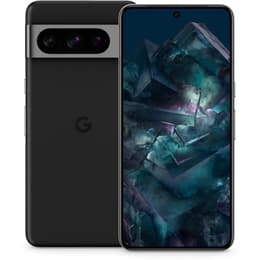
Google Pixel 8 Pro
Starting at

Refurbished price:€327.00

Versus €1,099.00 new

See options
iPhone Air
Starting at

Refurbished price:€693.00

Versus €1,339.00 new

See options

Differences at a glance

The Google Pixel 8 Pro (2023) and the Apple iPhone Air (2025) represent two distinct approaches to smartphone design and ecosystem philosophy. While the Pixel 8 Pro focuses on a comprehensive feature set running on Android, the iPhone Air prioritizes an ultra-slim profile within the iOS ecosystem. These devices differ fundamentally in their launch years, operating systems, and physical engineering.

Available Models

Colour

Storage

Scores

Durability

Both devices offer robust build qualities and long-term software support, though their release schedules and update frameworks differ significantly.

  • Software Support Window: The Pixel 8 Pro benefits from an extensive seven-year update commitment covering operating systems and security patches, while the iPhone Air follows Apple's standard multi-year support cycle under iOS.
  • Repairability and Build: Both models utilize high-grade glass and metal construction designed to withstand everyday wear, though their slimness or bulk factor influences physical resilience differently during accidental drops.
  • Expected Lifespan: Both smartphones maintain strong processing longevity, ensuring reliable daily utility and software compatibility for years of continuous ownership.

Year of Release

2023

2025

Compatible with latest Update

Yes

Yes

Foldable

No

No

Performance

Underneath their exteriors, both handsets deliver swift execution for daily applications, multitasking, and demanding software tasks.

  • System Responsiveness: Both devices load complex apps instantly and transition between multiple open programs seamlessly without noticeable stutter.
  • Battery Behavior: The Pixel 8 Pro manages a full day of mixed usage via a large physical battery capacity, whereas the iPhone Air balances all-day endurance with a slim internal cell design.
  • Multitasking Handling: Generous memory configurations on both models allow users to keep numerous browser tabs and resource-heavy background tools active concurrently.

Screen quality

Visual output on both handsets utilizes advanced display technology tailored for sharp text reproduction and vivid media consumption.

  • Display Technology: Both models employ high-contrast OLED panels that deliver deep blacks and rich color reproduction for videos and photos.
  • Outdoor Visibility: High peak brightness capabilities on both screens ensure clear readability and minimal glare when used directly under bright sunlight.
  • Refresh Rate: Adaptive refresh rates scaling up to 120Hz provide smooth scrolling through web pages and fluid animations across the user interface.

Resolution

1344 x 2992

2736x1260

Screen type

LTPO OLED

Super Retina XDR

Audiovisual

Imaging capabilities differ notably in hardware arrangement, providing distinct advantages for photography enthusiasts and casual recorders alike.

  • Camera Systems: The Pixel 8 Pro features a versatile triple-lens array including a dedicated telephoto zoom lens, while the iPhone Air utilizes a streamlined single-lens layout backed by advanced computational photography.
  • Video Recording: Both phones capture stable, high-resolution video footage with clear audio pickup from integrated microphones for calls and multimedia creation.
  • Media Playback: Stereo speaker setups on both devices deliver balanced sound output suitable for hands-free calls, podcasts, and casual video viewing.

Main camera

50 megapixels

48 megapixels

Front camera

10.5 megapixels

18 megapixels

Miscellaneous

Practical daily usability is shaped by physical dimensions, port availability, and modern connectivity standards on each device.

  • Connectivity Options: Both smartphones support fast 5G cellular networks, modern Wi-Fi standards, and Bluetooth for reliable peripheral pairing.
  • Physical Dimensions: The Pixel 8 Pro presents a heavier, substantial build in the hand, whereas the iPhone Air focuses on a remarkably lightweight and thin profile.
  • Security and Ports: Both models feature secure biometric authentication methods and utilize universal USB-C ports for charging and data transfer.

Weight

213 g

165 g

Screen size (in)

6.7

6.5

Network

5G

5G

SIM card

Physical SIM + eSIM

eSIM

Carrier compatibility

Unlocked

Unlocked

What the community thinks

User discussions across online communities highlight distinct preferences for each device based on operating system loyalty and hardware design. Pixel 8 Pro users frequently praise its versatile multi-lens camera versatility, extensive software update longevity, and integration with intelligent assistant tools. Conversely, iPhone Air owners often emphasize its striking featherlight construction, slim profile, and smooth iOS interface performance. Frequent criticisms for the Pixel involve its heavier physical weight, while some users note that the ultra-slim design of the iPhone Air leaves less room for physical battery capacity.

Users prioritizing deep software customization, flexible zoom photography, and an Android environment will find the Pixel 8 Pro well-suited to their needs. Meanwhile, users prioritizing a lightweight build, sleek aesthetics, and the iOS ecosystem may lean toward the iPhone Air. Choosing a quality-assured refurbished option through Back Market offers an eco-friendly, sustainable path to acquiring either device while reducing electronic waste. Ultimately, the right choice depends on individual preferences regarding software platforms and physical handling characteristics.








