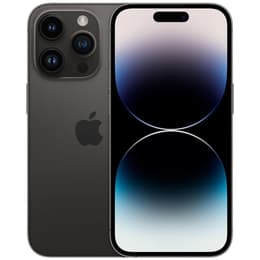

iPhone

Compare models
Differences at a glance
The Google Pixel 7a (2023) and the iPhone 14 Pro (2022) are both capable smartphones, yet they cater to different user expectations within the mobile market. The Pixel 7a, released in May 2023, operates on Android, while the iPhone 14 Pro, launched in September 2022, runs on iOS. The primary distinctions between these two devices lie in their camera systems, display technologies, and overall performance capabilities, reflecting their respective positions in the smartphone landscape.
Colour
Storage
When considering the long-term usability of these devices, their release timelines and software support policies are key factors. The iPhone 14 Pro, released in September 2022, typically receives iOS updates for approximately 5-6 years from its launch. The Google Pixel 7a, launched in May 2023, is expected to receive at least five years of software and security updates, including at least three major Android version updates.
Year of Release
Compatible with latest Update
OS
Foldable
The performance of a smartphone is central to the user experience, influencing everything from app responsiveness to gaming. The iPhone 14 Pro and Google Pixel 7a approach performance with different hardware philosophies, resulting in distinct real-world outcomes.
The display is a primary interface for any smartphone, and both the iPhone 14 Pro and Google Pixel 7a offer vibrant viewing experiences, though with notable differences in their underlying technology and capabilities.
Resolution
Screen type
Both the iPhone 14 Pro and Google Pixel 7a are recognized for their camera capabilities, each offering distinct strengths in photography and videography.
Main camera
Front camera
Beyond core features, several practical elements contribute to the overall user experience and differentiate these two smartphones.
Weight
Screen size (in)
Network
SIM card
Carrier compatibility
The Google Pixel 7a and iPhone 14 Pro offer distinct smartphone experiences, each with its own set of advantages that appeal to different user priorities. User feedback often highlights the iPhone 14 Pro's exceptional display brightness, smooth performance, and advanced camera system, particularly its low-light video capabilities. Some users, however, have noted that the iPhone 14 Pro's battery life, while solid for a day, might not be as long-lasting as its larger Pro Max counterpart or previous models, and its weight can be a factor for those preferring lighter devices.
The Pixel 7a is frequently praised for its strong camera performance, especially for its price point, delivering excellent photos and capable low-light results. Its clean Android experience and consistent software updates are also well-regarded. Some users have mentioned that while its performance is excellent for a mid-range device, it might not match the raw power of higher-end flagships for extremely demanding tasks, and its battery life, while decent, may require more frequent charging for heavy users.
Users prioritizing a highly fluid user interface, top-tier camera versatility with strong video capabilities, and a robust ecosystem may find the iPhone 14 Pro well-suited to their needs. Conversely, users who value an excellent photography experience, a clean Android operating system, and a strong commitment to software support in a more accessible package may lean toward the Google Pixel 7a. Both devices represent quality choices, and considering a quality-assured refurbished option for either model can be an eco-friendly alternative to purchasing new.