
iPhone

Compare models
Differences at a glance
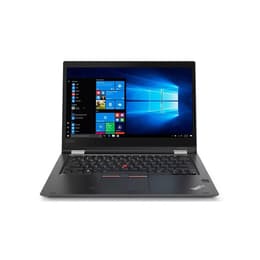
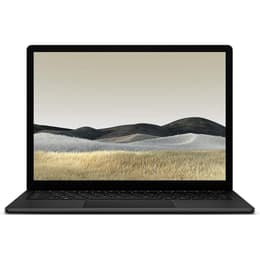
The Lenovo ThinkPad X380 Yoga 13, released in 2018, and the Microsoft Surface Laptop 3 13, launched in 2019, are distinct portable computing devices designed for different user preferences. The ThinkPad X380 Yoga is a versatile 2-in-1 convertible laptop, offering a 360-degree hinge and an integrated stylus, while the Surface Laptop 3 presents a more traditional clamshell design with a focus on a premium aesthetic and a unique display aspect ratio. Both operate on the Windows operating system, providing a familiar software environment for users.
Storage
Processor
Memory
When considering the longevity of these devices, their release timelines and design philosophies offer different practical lifespans and support expectations.
Year of Release
OS
The performance capabilities of these laptops are influenced by their internal components, impacting how smoothly they handle various tasks.
Graphic card
The display is a primary interface for user interaction, and these two laptops offer distinct visual experiences.
For communication and media, the camera and audio systems provide different levels of functionality and quality.
Beyond core performance and display, several practical elements contribute to the overall user experience and connectivity.
Weight
Screen size
The Lenovo ThinkPad X380 Yoga 13 and the Microsoft Surface Laptop 3 13 cater to different user priorities, each excelling in specific areas based on their design and feature sets.
Users often praise the ThinkPad X380 Yoga for its robust build quality, comprehensive port selection including Thunderbolt 3, and the versatility of its 2-in-1 convertible design with an integrated, rechargeable stylus. Its MIL-SPEC tested durability is a frequent highlight for those needing a resilient device. Criticisms sometimes point to its slightly older processor generation compared to newer models and a display that, while functional, may not be as vibrant or high-resolution as some competitors. The practical lifespan is extended by its durable construction and the accessibility of its SSD for upgrades.
The Surface Laptop 3 is frequently lauded for its sleek, premium design, the high-resolution 3:2 aspect ratio PixelSense display, and its generally strong performance for everyday tasks thanks to its 10th generation Intel processors. Its lighter weight and thinner profile are often appreciated for portability. Common concerns sometimes revolve around its more limited port selection, lacking Thunderbolt 3, and the fact that its RAM is soldered, limiting future upgrades. The SSD, while technically removable, requires a technician.
Users prioritizing a highly durable, versatile 2-in-1 device with extensive connectivity and an integrated pen for note-taking or sketching may find the Lenovo ThinkPad X380 Yoga 13 well-suited to their needs. Its ruggedness makes it a practical choice for those who frequently work in varied environments. Conversely, users who value a sleek, lightweight laptop with a high-resolution, productivity-focused display and a more modern aesthetic may lean toward the Microsoft Surface Laptop 3 13. Both models offer a quality-assured refurbished option, providing an eco-friendly alternative for consumers seeking reliable technology. Ultimately, the choice depends on whether a user prioritizes rugged versatility and port selection or a refined design with a superior visual experience and enhanced portability.