
Google Pixel 6A Vs iPhone 14 Pro

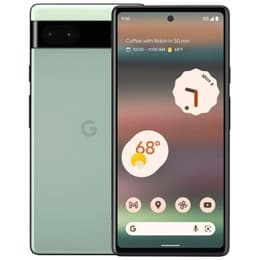
Google Pixel 6A
Google Pixel 6A
Starting at

Refurbished price:143.00

Versus €459.00 new

See options
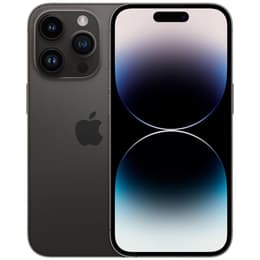
iPhone 14 Pro
iPhone 14 Pro
Starting at

Refurbished price:424.00

Versus €1,339.00 new

See options

Ratings

The Google Pixel 6A, released in July 2022, and the iPhone 14 Pro, launched in September 2022, represent distinct approaches to smartphone design and functionality. While both devices offer a premium mobile experience, they cater to different user priorities through their respective operating systems and hardware philosophies. The Pixel 6A runs on Android, emphasizing Google's software integration and computational photography, whereas the iPhone 14 Pro operates on iOS, known for its robust ecosystem and advanced performance capabilities.

Scores

Durability

Comparing the longevity and physical resilience of these two devices reveals some key differences.

  • Release Timeline and Software Support: Both devices were released in 2022, with the iPhone 14 Pro launching slightly later in September compared to the Pixel 6A's July release. The Pixel 6A is expected to receive OS updates until at least July 2025 and security updates until at least July 2027. Apple typically provides longer software support for its devices, often extending to 5-6 years from release, suggesting the iPhone 14 Pro will receive updates for a longer duration.
  • Physical Protection: The Pixel 6A features Corning Gorilla Glass 3 for screen protection and an IP67 rating for dust and water resistance, meaning it can withstand immersion in up to one meter of water for 30 minutes. The iPhone 14 Pro, on the other hand, incorporates Ceramic Shield front cover and has an IP68 rating, allowing for immersion in up to 6 meters of water for 30 minutes, offering a higher degree of water resistance.
  • Expected Lifespan: While both phones are built to last, the iPhone 14 Pro's more advanced materials and potentially longer software support suggest a slightly extended practical lifespan for users who prioritize maximum device longevity.

Year of Release

2022

2022

Compatible with latest Update

Yes

Yes

OS

Android

iOS

Foldable

No

No

Performance

The performance of the Pixel 6A and iPhone 14 Pro reflects their different design philosophies, impacting how they handle daily tasks and demanding applications.

  • Processing Power: The Pixel 6A is powered by Google's first-generation Tensor chip, which provides smooth performance for everyday use, multitasking, and even some graphically intensive games. The iPhone 14 Pro features a more advanced processor, delivering substantial performance gains for demanding applications, intensive gaming, and complex video editing tasks.
  • Multitasking and Storage: Both devices come with 6GB of RAM, which is sufficient for managing multiple applications simultaneously. The Pixel 6A offers a single storage option of 128GB, without expandable storage. The iPhone 14 Pro provides more flexibility with storage options ranging from 128GB up to 1TB.
  • Battery Behavior: The Pixel 6A is equipped with a 4,410 mAh battery, often providing a full day of use, and in some tests, nearly 13 hours of continuous video streaming. The iPhone 14 Pro has a 3,200 mAh battery, which, combined with its efficient processor and software optimizations, generally offers a full day of usage for most users.

Memory (GB)

6 GB

6 GB

Screen quality

The display experience on the Pixel 6A and iPhone 14 Pro offers distinct characteristics that cater to different visual preferences and usage scenarios.

  • Display Technology and Resolution: Both phones feature OLED displays, known for deep blacks and vibrant colors. The Pixel 6A has a 6.1-inch OLED screen with a 2400 x 1080 pixel resolution. The iPhone 14 Pro also has a 6.1-inch Super Retina XDR OLED display, but with a higher resolution of 2556 x 1179 pixels, resulting in a slightly sharper image.
  • Refresh Rate and Brightness: The Pixel 6A's display operates at a standard 60Hz refresh rate. The iPhone 14 Pro features ProMotion technology, offering an adaptive refresh rate that can scale from 1Hz to 120Hz, providing smoother scrolling and more fluid animations. The iPhone 14 Pro also boasts significantly higher peak brightness, improving visibility in bright outdoor conditions.
  • Unique Display Features: The iPhone 14 Pro introduces the Dynamic Island, a redesigned area around the front camera and sensors that dynamically adapts to display alerts, notifications, and background activities. It also includes an Always-On Display feature.

Resolution

1080 x 2400

1179 x 2556

Screen type

OLED

LTPO Super Retina XDR OLED

Audiovisual

The camera systems and audio capabilities of the Pixel 6A and iPhone 14 Pro are key differentiators, each excelling in different areas.

  • Rear Camera System: The Pixel 6A features a dual-camera setup with a 12.2MP main sensor and a 12MP ultrawide lens. It leverages Google's computational photography for impressive image quality, particularly in everyday and low-light conditions. The iPhone 14 Pro offers a more versatile triple-camera system, including a 48MP main sensor, a 12MP ultrawide, and a 12MP telephoto lens, providing greater flexibility for different photographic scenarios.
  • Photography and Video Features: The Pixel 6A includes features like Magic Eraser, Real Tone, and Night Sight. It can record 4K video at up to 60 frames per second. The iPhone 14 Pro enhances low-light capture across all cameras and offers advanced video capabilities such as Cinematic mode in 4K and ProRes video recording.
  • Audio Experience: Both devices offer stereo speakers for media consumption. User feedback for the Pixel 6A indicates its speakers are generally adequate for a smartphone. The iPhone 14 Pro typically provides a rich audio experience, suitable for calls and media.

Main camera

12.2 megapixels

48 megapixels

Front camera

8 megapixels

12 megapixels

Miscellaneous

Beyond core features, several practical elements distinguish the Pixel 6A and iPhone 14 Pro, influencing daily usability and connectivity.

  • Connectivity Standards: Both smartphones support 5G connectivity and Wi-Fi 6 for fast wireless internet access.
  • Ports and Biometrics: The Pixel 6A utilizes a USB-C port for charging and data transfer and features an in-display fingerprint sensor for secure unlocking. The iPhone 14 Pro uses Apple's proprietary Lightning port and relies on Face ID for biometric authentication. Neither device includes a traditional 3.5mm headphone jack.
  • Design and Handling: The Pixel 6A has a 6.1-inch display and a design that some users find comfortable for one-handed use, despite its plastic back feeling like glass. The iPhone 14 Pro also has a 6.1-inch display and features a stainless steel frame and a textured matte glass back, contributing to a premium feel, though some users note its weight.

Weight

178 g

206 g

Screen size (in)

6.1

6.1

Network

5G

5G

SIM card

Physical SIM + eSIM

Physical SIM + eSIM

Carrier compatibility

Unlocked

Unlocked

Connector

USB-C

Lightning

User sentiment for the Google Pixel 6A often highlights its strong camera performance, clean Android operating system, and overall smooth experience for its category. Many users appreciate its compact size and the inclusion of Google's Tensor chip, which delivers capable performance for daily tasks. Common criticisms sometimes point to the 60Hz display and slower charging speeds.

The iPhone 14 Pro is frequently praised for its exceptional performance, vibrant display with ProMotion, and advanced camera system, particularly its low-light capabilities. The Dynamic Island is often cited as an innovative and useful feature. Some users have noted its weight and the continued use of the Lightning port as areas for potential improvement.

For users prioritizing an excellent camera for everyday photography, a streamlined Android experience, and a compact form factor, the Pixel 6A is a compelling choice. It offers a robust set of features for general use. Those who require top-tier processing power for demanding applications, advanced photographic and videographic capabilities, a high refresh rate display, and prefer the iOS ecosystem will find the iPhone 14 Pro well-suited to their needs. Both devices, whether new or as a quality-assured refurbished option, provide distinct advantages depending on individual user preferences.


See all articles

Our recent comparisons