


Compare models
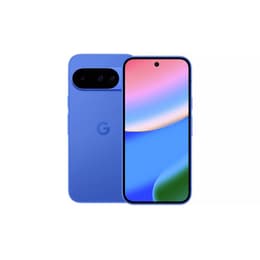
Google Pixel 10 Vs Google Pixel 8
- 1-year minimum warranty
- Free delivery on all orders
- Free 30-day returns
Differences at a glance
The Google Pixel 8 (2023) and Google Pixel 10 (2025) represent significant milestones in Google's smartphone lineup, bridging different generations of hardware and software development. While the Pixel 8 established a foundation for compact design and extended software support, the Pixel 10 introduces refined processing capabilities, expanded camera versatility, and updated operating system features. Both devices run on Google's clean ecosystem vision, providing distinct choices for everyday communication, productivity, and media consumption.
Available Models
Colour
Storage
Scores
Durability
- Release timeline and age: The Pixel 8 launched in late 2023, whereas the Pixel 10 arrived two years later in late 2025, placing them in different hardware generations.
- Software longevity expectations: Both models benefit from Google's extended support policy guaranteeing years of major operating system updates and security patches from their respective release dates.
- Expected practical lifespan: The Pixel 10 extends software support further into the future due to its newer release window, while both units offer solid structural durability for long-term daily use.
Year of Release
2025
2023
Performance
- Storage options available: Both devices are offered in standard storage capacities starting at 128GB, paired with efficient memory configurations to handle routine file storage.
- System responsiveness: The Pixel 10 handles demanding apps, complex multitasking, and modern mobile games with noticeably smoother thermal efficiency compared to the Pixel 8.
- Multitasking capacity: Increased memory allocation on the Pixel 10 allows background applications to remain active longer without reloading, improving overall day-to-day workflow fluidity.
Screen quality
- Display technology: Both models utilize vibrant OLED panels that deliver deep contrast levels, sharp text clarity, and vivid colors for reading and media playback.
- Brightness levels: The Pixel 10 achieves a higher peak outdoor brightness level, making screen visibility more comfortable under direct sunlight than the Pixel 8.
- Refresh rate and smoothness: Both smartphones support dynamic refresh rates up to 120Hz, ensuring fluid scrolling through web pages and smooth animation transitions.
Audiovisual
- Camera system capabilities: The Pixel 8 features a dual rear sensor layout, whereas the Pixel 10 incorporates a versatile triple-lens array that includes a dedicated optical zoom lens.
- Everyday photography: Both models utilize advanced computational photography to capture sharp, natural daylight images and bright low-light shots using specialized night modes.
- Media consumption: Stereo speaker output on both devices delivers clear audio for hands-free calls, podcasts, and casual video viewing.
Miscellaneous
- Connectivity options: Both smartphones support modern 5G networks, stable Wi-Fi standards, and reliable Bluetooth pairing for wireless accessories.
- Build and physical handling: The Pixel 10 introduces a slightly larger 6.3-inch display format with modern magnetic accessory alignment support, while the Pixel 8 maintains a more compact, lightweight physical footprint.
- Durability features: Both models include robust water and dust resistance ratings alongside sturdy glass and metal frame constructions for everyday protection.
Screen size (in)
6.3
6.2
Network
4G
5G
SIM card
Physical SIM + eSIM
Physical SIM + eSIM
Carrier compatibility
Unlocked
Unlocked
What the community thinks
Users comparing these two devices generally praise the Pixel 8 for its comfortable, highly portable one-handed form factor and reliable daily performance. At the same time, community discussions highlight the Pixel 10 for its expanded optical zoom capabilities, brighter outdoor screen, and enhanced multi-year performance headroom. Common criticisms for the older model focus on moderate battery longevity under heavy workloads, while the newer generation introduces a slightly heavier physical build.
Users who prioritize a compact physical size and straightforward daily utility will find the Pixel 8 well-suited to their needs, while users prioritizing advanced camera versatility and long-term hardware readiness may lean toward the Pixel 10. For those exploring sustainable choices, a quality-assured refurbished option provides an eco-friendly alternative that extends the lifecycle of these electronics without compromising core functionality.