
iPhone

Compare models
Differences at a glance
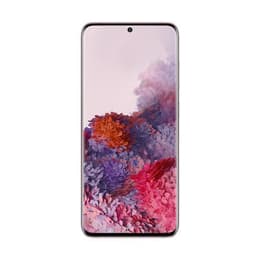
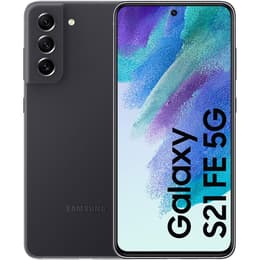
The Samsung Galaxy S20, released in March 2020, and the Samsung Galaxy S21 FE 5G, launched in January 2022, are both Android-based smartphones from Samsung's popular Galaxy S series. While the S20 was a flagship device at its launch, the S21 FE (Fan Edition) aimed to deliver a selection of premium features from the S21 series in a slightly more accessible package. The primary distinctions between these two models lie in their release timelines, processor generations, and long-term software support, influencing their overall practical lifespan and performance for different user needs.
Colour
Storage (GB)
The practical lifespan of a smartphone is significantly influenced by its release date and subsequent software support. The Galaxy S20, launched in early 2020, originally shipped with Android 10 and received its final major OS update to Android 13 in late 2022. While it continued to receive security patches, official software support for the S20 series concluded in April 2025, with some carriers providing an additional security patch in July 2025. In contrast, the Galaxy S21 FE 5G, released in early 2022 with Android 12, benefits from a longer update cycle, ensuring it will receive major Android updates and security patches for a more extended period.
Year of Release
Compatible with latest Update
OS
Foldable
Performance in both the Galaxy S20 and S21 FE 5G is robust for everyday tasks, though the newer S21 FE 5G benefits from a more recent generation of internal components. The Galaxy S20, depending on the region, was equipped with a powerful processor that handled multitasking and demanding applications smoothly at its release. The Galaxy S21 FE 5G features a more advanced processor, which translates to slightly faster app loading, smoother transitions, and improved efficiency for graphically intensive tasks like gaming.
Both the Galaxy S20 and S21 FE 5G offer vibrant and responsive display experiences, characteristic of Samsung's AMOLED technology. The S20 features a 6.2-inch Dynamic AMOLED 2X display with a higher resolution, providing a very sharp visual experience. The S21 FE 5G comes with a slightly larger 6.4-inch Dynamic AMOLED 2X display, but with a Full HD+ resolution.
Resolution
Screen type
The camera systems on both the Galaxy S20 and S21 FE 5G are versatile, designed to capture a wide range of photos and videos, though with some differences in their specific sensor configurations and capabilities. Both phones feature a triple-camera setup on the rear, including a main wide-angle lens, an ultrawide lens, and a telephoto lens.
Main camera
Front camera
Beyond core performance and display, several other features contribute to the overall user experience of these devices, including connectivity, physical design, and additional functionalities. Both phones offer modern connectivity options and a sleek form factor, but with some distinctions in their build and port availability.
Weight
Screen size (in)
Network
SIM card
Carrier compatibility
The Samsung Galaxy S20 and Galaxy S21 FE 5G both offer compelling smartphone experiences, each with strengths that cater to different user priorities. Users often praise the Galaxy S20 for its compact size, high-resolution display, and capable camera system, especially its 8K video recording. However, a frequent criticism of the S20 was its battery life, particularly when the 120Hz refresh rate was enabled. Additionally, its software support has now officially ended, meaning no further major Android updates.
The Galaxy S21 FE 5G is generally lauded for its updated processor, extended software support, and a larger battery capacity that often translates to better endurance for many users, even with the 120Hz display active. Its camera system is also considered very capable for everyday photography, with a high-resolution selfie camera being a notable highlight for some. Some users have noted that the S21 FE's low-light camera performance, particularly for video, might not be as strong as some competitors, and its plastic back might feel less premium.
Users prioritizing a more compact device with a very high-resolution screen and 8K video recording capabilities might lean towards the Galaxy S20, understanding its software update cycle has concluded. Conversely, users who value longer software support, a slightly larger display, and a more current processor for sustained performance will find the Galaxy S21 FE 5G well-suited to their needs. Both devices represent quality-assured refurbished options, providing an eco-friendly alternative for consumers seeking reliable technology.