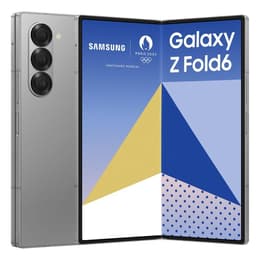
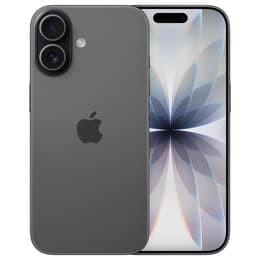


Galaxy Z Fold6 Vs iPhone 17

Galaxy Z Fold6
Galaxy Z Fold6
Starting at

Refurbished price:750.00

Versus €1,973.53 new

See options
iPhone 17
iPhone 17
Starting at

Refurbished price:704.00

Versus €979.00 new

See options

Ratings

The Samsung Galaxy Z Fold6, released in July 2024, and the Apple iPhone 17, launched in September 2025, represent distinct approaches to modern smartphone design and functionality. The Z Fold6 offers a unique foldable form factor, transforming from a compact smartphone into a larger tablet-like display, while the iPhone 17 refines the traditional smartphone experience with advanced internal components and display technology. Both devices operate on their respective flagship operating systems, Android 16 with One UI 8.0 for the Z Fold6 and iOS 26 for the iPhone 17, each providing a comprehensive ecosystem of applications and services.

Scores

Durability

Evaluating the practical lifespan of these devices involves considering their release timelines, software support, and physical resilience.

  • Release Timeline: The Galaxy Z Fold6 was released in mid-2024, while the iPhone 17 followed in late 2025. This difference means the iPhone 17 benefits from a later starting point for software updates and hardware advancements, potentially extending its usable life by approximately one year compared to the Z Fold6.
  • Software Longevity: Samsung typically provides several years of Android OS updates and extended security updates for its flagship devices, with the Z Fold6 currently running Android 16. Apple is known for its long-term software support, often delivering iOS updates for five to six years or more from a device's release, ensuring the iPhone 17 will receive updates well into the future.
  • Physical Durability: The iPhone 17 features Ceramic Shield 2 on its display and an upgraded aluminum frame, contributing to enhanced scratch and drop resistance. It also carries an IP68 rating for water and dust resistance. The Galaxy Z Fold6 utilizes Gorilla Glass Victus 2 on its cover screen and back panel, with an Armor Aluminum frame, and is rated IPX8 for water resistance. Its foldable inner screen, made of Ultra Thin Glass (UTG), is more susceptible to scratches than traditional smartphone displays.

Year of Release

2024

2025

Compatible with latest Update

Yes

Yes

OS

Android

iOS

Foldable

Yes

No

Performance

Both devices are equipped with high-performance processors designed to handle demanding tasks, though their architectural approaches differ.

  • Processing Power: The Galaxy Z Fold6 is powered by a current-generation Snapdragon 8 Gen 3 for Galaxy processor, enabling smooth multitasking, rapid app launches, and efficient handling of graphics-intensive games. The iPhone 17 features Apple's A19 chip, which is designed for exceptional performance and efficiency, particularly in single-core tasks and advanced AI computations.
  • Multitasking and Responsiveness: With 12GB of RAM, the Z Fold6 offers substantial capacity for running multiple applications simultaneously and switching between them without slowdowns. The iPhone 17, with its optimized iOS and A19 chip, provides a highly responsive user experience, efficiently managing background processes and ensuring fluid navigation even with 8GB of RAM.
  • Storage Options: The Z Fold6 offers storage configurations up to 1TB, providing ample space for large files, applications, and media. The iPhone 17 comes with increased base storage compared to its predecessors, catering to users with growing digital content needs.

Memory (GB)

12 GB

8 GB

Screen quality

The display experience is a primary differentiator, with the Z Fold6 offering a unique adaptable screen and the iPhone 17 focusing on refined clarity and smoothness.

  • Display Technology and Size: The Galaxy Z Fold6 features two Dynamic AMOLED 2x displays: a 6.3-inch cover screen and a 7.6-inch main foldable screen. Both offer vibrant colors and deep blacks. The iPhone 17 boasts a 6.3-inch Super Retina XDR OLED display, known for its color accuracy and contrast.
  • Brightness and Clarity: Both devices offer high peak brightness levels, with the Z Fold6's displays reaching up to 2600 nits and the iPhone 17's display capable of up to 3000 nits peak outdoor brightness, ensuring good visibility in various lighting conditions. The iPhone 17 also features a 2622x1206 pixel resolution at 460 ppi, providing sharp visuals.
  • Refresh Rate and Smoothness: Both the Z Fold6's displays and the iPhone 17's display feature adaptive refresh rates up to 120Hz (ProMotion on iPhone), resulting in smooth scrolling, fluid animations, and a responsive touch experience. The iPhone 17 also brings Always-On display functionality to its base model.

Resolution

1856 x 2160

2622x1206

Audiovisual

Both smartphones offer advanced camera systems, though their configurations and specific strengths cater to different photographic preferences.

  • Rear Camera Systems: The Galaxy Z Fold6 features a versatile triple-camera setup with a 50MP wide-angle lens, a 12MP ultra-wide lens, and a 10MP telephoto lens with 3x optical zoom, providing flexibility for various shooting scenarios. The iPhone 17 includes a dual 48MP camera system, comprising a Wide and an Ultra Wide lens, with the Wide lens also offering 2x optical-quality telephoto capabilities.
  • Photography Performance: The Z Fold6's camera system is noted for capturing high-resolution images with good dynamic range and detail, particularly in well-lit conditions, and includes features like Nightography for low-light performance. The iPhone 17's camera system is designed for improved low-light performance and supports super-high-resolution photos, aiming for consistent image quality across its lenses.
  • Front-Facing Cameras and Video: The Z Fold6 has a 10MP cover screen camera and a 4MP under-display camera on the main screen, suitable for video calls and selfies. It supports 8K 30fps video recording. The iPhone 17 features an upgraded 24MP TrueDepth front camera, enhancing selfie quality and video calls.

Front camera

4 megapixels

18 megapixels

Miscellaneous

Beyond core specifications, several practical elements contribute to the overall user experience and device utility.

  • Connectivity and Ports: Both devices support 5G connectivity for fast mobile data. The Galaxy Z Fold6 includes USB-C for charging and data transfer. The iPhone 17 also features a USB-C port, though with USB2 transfer speeds, and is expected to incorporate an Apple-designed N1 networking chip for enhanced Wi-Fi standards.
  • Biometric Security and Interaction: The Z Fold6 typically uses a side-mounted fingerprint sensor for secure unlocking. The iPhone 17 relies on Face ID for secure authentication and includes a customizable Action button for quick access to preferred functions.
  • Form Factor and Handling: The Z Fold6's foldable design allows for a larger screen in a more portable package when folded, though its thickness and weight (239g) are notable. The iPhone 17 maintains a traditional smartphone form factor, with a focus on a larger display and improved scratch resistance.

Weight

239 g

177 g

Screen size (in)

7.6

6.3

Network

5G

5G

SIM card

Physical SIM + eSIM

eSIM

Carrier compatibility

Unlocked

Unlocked

Connector

USB-C

USB-C

The Samsung Galaxy Z Fold6 and the Apple iPhone 17 cater to different user preferences, each excelling in its respective design philosophy. Users frequently praise the Z Fold6 for its innovative foldable display, which significantly enhances productivity and media consumption by offering a tablet-like experience in a pocketable form. Its multitasking capabilities are often highlighted as a major advantage. However, some users express concerns about the camera performance not matching dedicated flagship slab phones and the durability of the inner foldable screen.

The iPhone 17, on the other hand, receives positive feedback for its refined traditional smartphone experience, particularly its upgraded display with ProMotion and Always-On features, and its powerful A19 chip that ensures smooth performance across applications. The enhanced camera system and improved durability are also frequently noted as strong points. Some users might find the traditional form factor less versatile for extensive multitasking compared to a foldable device.

Users prioritizing a large, adaptable screen for productivity, media, and a unique form factor may find the Galaxy Z Fold6 well-suited to their needs. Those who value a consistently high-performance, durable, and refined traditional smartphone experience with a strong camera system will likely lean towards the iPhone 17. Both devices represent significant advancements in their categories, and considering a quality-assured refurbished option for either model can be an eco-friendly alternative for making an informed choice.


See all articles

Our recent comparisons






