
Galaxy Z Fold6 Vs iPhone 16 Plus

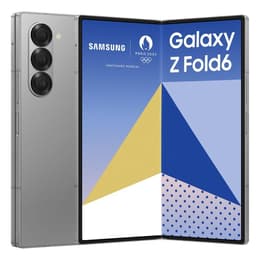
Galaxy Z Fold6
Galaxy Z Fold6
Starting at

Refurbished price:750.00

Versus €1,973.53 new

See options
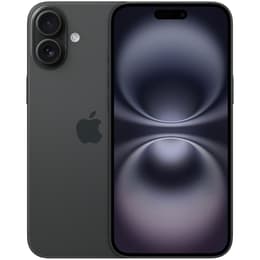
iPhone 16 Plus
iPhone 16 Plus
Starting at

Refurbished price:559.00

Versus €979.00 new

See options

Ratings

The Samsung Galaxy Z Fold6 and the Apple iPhone 16 Plus, both anticipated to be prominent devices in the 2024-2025 smartphone landscape, offer distinct approaches to mobile technology. The Galaxy Z Fold6 continues Samsung's innovation in foldable design, providing a versatile experience that transitions from a compact smartphone to a larger tablet-like display. In contrast, the iPhone 16 Plus maintains Apple's traditional large-screen smartphone form factor, focusing on a refined user experience within the iOS ecosystem. These devices cater to different user preferences, primarily distinguished by their form factor and operating system.

Scores

Durability

When evaluating the long-term usability of these devices, several factors contribute to their expected lifespan, including software support, physical resilience, and repairability.

  • Software Longevity: The iPhone 16 Plus, running on iOS, is expected to receive major software updates for approximately 5 to 7 years from its release, with security updates potentially extending even longer. The Galaxy Z Fold6, operating on Android, typically receives 4 to 5 years of major OS updates and 5 years of security updates, offering a robust but generally shorter support window compared to Apple's policy.
  • Physical Durability: The iPhone 16 Plus features a Ceramic Shield front cover and an IP68 rating for dust and water resistance, indicating a high level of protection against environmental elements. The Galaxy Z Fold6, with its foldable design, has an IP48 rating for dust and water resistance, meaning it can withstand splashes and some dust ingress, but its inner foldable screen and hinge introduce unique considerations for long-term physical wear.
  • Repairability: Traditional smartphones like the iPhone 16 Plus generally present a more straightforward repair process due to their less complex internal structure. Foldable devices, such as the Galaxy Z Fold6, often involve more intricate components, particularly around the hinge and flexible display, which can make repairs more specialized.

Year of Release

2024

2024

Compatible with latest Update

Yes

Yes

Foldable

Yes

No

Performance

Both the Galaxy Z Fold6 and the iPhone 16 Plus are equipped with advanced internal components designed to deliver smooth and efficient performance for a wide range of tasks.

  • Processing Power: The iPhone 16 Plus is powered by Apple's A18 chip, which provides responsive performance for demanding applications, multitasking, and graphically intensive games. The Galaxy Z Fold6 features the Qualcomm Snapdragon 8 Gen 3 for Galaxy, a processor optimized for its ecosystem, enabling efficient handling of multiple applications simultaneously and supporting advanced AI features.
  • Multitasking Capabilities: The Galaxy Z Fold6 excels in multitasking due to its large inner foldable display, allowing users to run several applications side-by-side with ease, enhancing productivity. The iPhone 16 Plus, while offering strong multitasking within its traditional iOS interface, provides a different approach to managing multiple apps on a single screen.
  • Battery Behavior: The iPhone 16 Plus is equipped with a 4674 mAh battery, known for providing extended usage times, with users often reporting it can last through a full day of heavy use and potentially into a second day for moderate usage. The Galaxy Z Fold6 has a 4400 mAh battery, and while its dual-screen setup can consume more power, its efficient processor aims to optimize battery life for daily tasks.

Memory (GB)

12 GB

8 GB

Screen quality

The display experience is a primary differentiator between these two devices, offering distinct advantages based on their form factors.

  • Display Technology and Size: The Galaxy Z Fold6 features two Dynamic AMOLED 2X displays: a large 7.6-inch inner foldable screen and a 6.3-inch cover screen. Both offer vibrant colors and deep blacks, with a 120Hz refresh rate for smooth visuals. The iPhone 16 Plus comes with a 6.7-inch Super Retina XDR OLED display, providing excellent clarity and color accuracy, though it typically operates at a 60Hz refresh rate.
  • Resolution and Clarity: The inner display of the Galaxy Z Fold6 offers a resolution of 2160 x 1856 pixels, providing a sharp and immersive viewing experience for content consumption and productivity. The iPhone 16 Plus features a resolution of 2796 x 1290 pixels at 460 pixels per inch, ensuring crisp text and detailed images on its single, expansive screen.
  • Brightness and Outdoor Visibility: Both devices offer high peak brightness levels, making them suitable for outdoor use. The Galaxy Z Fold6's displays can reach up to 2600 nits peak brightness, ensuring good visibility even in bright sunlight. The iPhone 16 Plus also provides strong outdoor visibility with a peak outdoor brightness of 2000 nits.

Resolution

1856 x 2160

1290 x 2796

Audiovisual

Both the Galaxy Z Fold6 and the iPhone 16 Plus offer advanced camera systems designed to capture high-quality photos and videos, though with different configurations and features.

  • Rear Camera Systems: The Galaxy Z Fold6 is equipped with a versatile triple-camera setup on the rear, including a 50-megapixel main sensor, a 12-megapixel ultrawide lens, and a 10-megapixel telephoto lens with 3x optical zoom. The iPhone 16 Plus features an advanced dual-camera system with a 48-megapixel main camera that can achieve a 2x telephoto effect through sensor cropping, and a 12-megapixel ultrawide camera with a 120-degree field of view.
  • Photography Performance: Both devices are expected to deliver excellent image quality in various lighting conditions. The Galaxy Z Fold6's dedicated telephoto lens provides optical zoom capabilities, while the iPhone 16 Plus utilizes its high-resolution main sensor for detailed zoomed-in shots. The iPhone 16 Plus also introduces Spatial Capture for 3D photos and videos.
  • Front-Facing Cameras: For selfies and video calls, the Galaxy Z Fold6 includes a 10-megapixel camera on its cover screen and a 4-megapixel under-display camera on the inner foldable screen. The iPhone 16 Plus features a 12-megapixel front camera. Both devices offer high-quality video recording capabilities, with the iPhone 16 Plus supporting 4K Dolby Vision video recording.

Front camera

4 megapixels

12 megapixels

Miscellaneous

Beyond their core features, both smartphones incorporate various practical elements that enhance user experience and connectivity.

  • Connectivity and Ports: Both the Galaxy Z Fold6 and the iPhone 16 Plus support 5G connectivity for fast mobile data speeds. They also feature advanced Wi-Fi standards, with the iPhone 16 Plus supporting Wi-Fi 7 and the Galaxy Z Fold6 supporting Wi-Fi 6E or potentially Wi-Fi 7. Both devices utilize a USB-C port for charging and data transfer.
  • Biometric Security and Sensors: The iPhone 16 Plus relies on Face ID for secure facial recognition. The Galaxy Z Fold6 typically features a side-mounted fingerprint sensor for biometric authentication. Both devices include a range of sensors such as accelerometers, gyroscopes, and ambient light sensors to enhance functionality.
  • Design and Handling: The Galaxy Z Fold6, when folded, is thicker and heavier than the iPhone 16 Plus, but unfolds into a much larger screen area. Its folded dimensions are 153.5 x 68.1 x 12.1 mm and it weighs 239g. The iPhone 16 Plus, with dimensions of 160.9 x 77.8 x 7.8 mm and a weight of 199g, offers a more traditional, slimmer, and lighter feel in hand. The Galaxy Z Fold6 is rumored to have a titanium build, similar to the iPhone 16 Plus's aluminum frame and Ceramic Shield front.

Weight

239 g

199 g

Screen size (in)

7.6

6.7

Network

5G

5G

SIM card

Physical SIM + eSIM

eSIM

Carrier compatibility

Unlocked

Unlocked

Connector

USB-C

USB-C (USB 2)

The Samsung Galaxy Z Fold6 and the Apple iPhone 16 Plus cater to distinct user needs, each excelling in different areas. User feedback on previous generations suggests that those who prioritize a large, adaptable screen for productivity and media consumption often praise the Galaxy Z Fold series for its innovative foldable design and multitasking capabilities. The ability to switch between a compact phone and a tablet-sized display is a significant draw, though some users have expressed concerns about the durability of the inner screen and the overall thickness when folded. The integration of AI features and a powerful processor are generally well-received for enhancing the Android experience.

Conversely, the iPhone 16 Plus is typically lauded for its consistent performance, robust software ecosystem, and strong battery life, making it a reliable choice for everyday use. Users appreciate the intuitive iOS interface, the quality of its camera system, and Apple's long-term software support. Common feedback often highlights the iPhone's seamless integration with other Apple devices and its overall user-friendly experience. Some users, however, might desire a higher refresh rate display or more innovative hardware changes compared to its predecessors.

For individuals seeking a device that offers a versatile, large-screen experience for advanced multitasking and a unique form factor, the Galaxy Z Fold6 presents a compelling option. Its foldable design and Android's flexibility are well-suited for those who want a tablet and phone in one. On the other hand, users who prefer a traditional, highly polished smartphone experience with a focus on consistent performance, a strong camera, and extended software longevity within the Apple ecosystem will find the iPhone 16 Plus to be a suitable choice. Both devices represent the pinnacle of their respective categories, and for those considering a quality-assured refurbished option, both models may become available as an eco-friendly alternative, offering a sustainable choice for acquiring advanced technology.


See all articles

Our recent comparisons