

Galaxy Z Fold6 Vs Google Pixel 9

Galaxy Z Fold6
Galaxy Z Fold6
Starting at

Refurbished price:750.00

Versus €1,973.53 new

See options
Google Pixel 9
Google Pixel 9
Starting at

Refurbished price:376.00

Versus €1,066.71 new

See options

Ratings

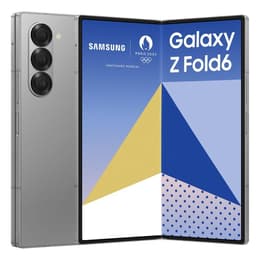
The Samsung Galaxy Z Fold6 (released July 2024) and the Google Pixel 9 (released August 2024) represent distinct approaches to modern smartphone design. The Z Fold6 offers a unique foldable form factor, transforming from a traditional smartphone into a larger tablet-like display, while the Pixel 9 maintains a conventional slab design. Both devices run on the Android operating system, but they cater to different user preferences through their core functionalities and design philosophies.

Scores

Durability

Both the Galaxy Z Fold6 and the Google Pixel 9 are designed for extended usability, with strong commitments to software longevity from their respective manufacturers.

  • Software Support: Both devices are promised seven years of operating system and security updates from their release dates. This means users can expect new features and security patches for an extended period, ensuring the devices remain current and secure for many years.
  • Physical Durability: The Galaxy Z Fold6 features an IP48 rating, indicating certified dust protection, a first for Samsung's foldable line, alongside Gorilla Glass Victus 2 on its cover screen and back, and an Armor aluminum frame. The Pixel 9 utilizes Gorilla Glass Victus 2 for its display, offering robust scratch and drop resistance for a traditional smartphone. The Z Fold6 also incorporates a more durable hinge mechanism compared to its predecessors.
  • Expected Lifespan: With identical software support timelines, the practical lifespan for both devices is largely influenced by physical wear and battery degradation. The Z Fold6's foldable nature introduces a hinge mechanism that has been refined for durability, while the Pixel 9's solid form factor inherently offers a different profile for long-term physical integrity.

Year of Release

2024

2024

Compatible with latest Update

Yes

Yes

OS

Android

Android

Foldable

Yes

No

Performance

Performance on both the Galaxy Z Fold6 and the Google Pixel 9 is robust, designed to handle demanding applications and multitasking with ease, though they achieve this with different underlying hardware.

  • Processing Power: The Galaxy Z Fold6 is equipped with a current-generation processor, enabling smooth operation across various tasks, from intensive gaming to complex productivity applications. The Pixel 9 features Google's Tensor G4 processor, which is optimized for on-device artificial intelligence tasks and efficient handling of everyday operations.
  • Multitasking Capabilities: The Z Fold6, with its 12GB of RAM, is well-suited for extensive multitasking, allowing users to run multiple applications simultaneously on its larger inner display without significant slowdowns. The Pixel 9 also offers ample RAM, typically 12GB, which contributes to a responsive user experience when switching between apps and managing background processes.
  • Storage Options: The Galaxy Z Fold6 provides a range of storage configurations, including 256GB, 512GB, and 1TB, offering generous space for applications, media, and documents. The Pixel 9 is available with 128GB or 256GB storage options, which is suitable for most users but offers less maximum capacity than the Z Fold6.

Memory (GB)

12 GB

12 GB

Screen quality

The display experiences offered by the Galaxy Z Fold6 and the Google Pixel 9 differ significantly due to their distinct form factors, yet both prioritize visual clarity and responsiveness.

  • Display Technology and Size: The Galaxy Z Fold6 features a 7.6-inch foldable Dynamic AMOLED 2X main display and a 6.3-inch Dynamic AMOLED 2X cover display. Both screens offer vibrant colors and deep blacks. The Pixel 9 comes with a 6.24-inch OLED display, utilizing Samsung's M14 OLED panel for enhanced visual quality.
  • Resolution and Brightness: The Z Fold6's main display has a resolution of 1856 x 2160 pixels, while its cover screen is 2376 x 968 pixels. Both screens achieve a peak brightness of 2600 nits, ensuring good visibility in various lighting conditions. The Pixel 9 offers a resolution of 2424 x 1080 pixels and a peak brightness of 2700 nits, with 1800 nits for HDR content, providing clear and bright visuals.
  • Refresh Rate and Smoothness: Both devices feature an adaptive 120Hz refresh rate, contributing to smooth scrolling, fluid animations, and a responsive touch experience. The Pixel 9 also includes Adaptive Touch technology, which adjusts screen sensitivity based on environmental factors like wet fingers or screen protectors.

Resolution

1856 x 2160

1080 x 2424

Audiovisual

Both smartphones offer advanced camera systems, but they approach photography with different hardware configurations and software optimizations.

  • Rear Camera Systems: The Galaxy Z Fold6 features a versatile triple-camera setup, including a 50 MP main sensor, a 12 MP ultra-wide lens, and a 10 MP telephoto lens with 3x optical zoom. The Google Pixel 9 employs a dual-camera system with a 50 MP main sensor and a 48 MP ultra-wide lens that also supports macro focus. The Pixel 9 does not include a dedicated telephoto lens, which is reserved for its Pro variants.
  • Photography Features: The Z Fold6 includes features like Nightography for low-light conditions, Pro mode for manual controls, and AI editing tools for enhancing images. The Pixel 9 is known for its computational photography, offering features such as Night Sight, Astrophotography, Portrait Mode, Face Unblur, and 'Add Me' for group photos.
  • Video Capabilities and Selfie Cameras: The Z Fold6 supports video recording up to 8K at 30fps and 4K at 60fps. It has a 10 MP cover screen selfie camera and a 4 MP under-display camera on the main screen. The Pixel 9 records video at 4K 60fps and features a 10.5 MP front-facing camera with autofocus.

Front camera

4 megapixels

10.5 megapixels

Miscellaneous

Beyond core performance, several practical elements differentiate the Galaxy Z Fold6 and the Google Pixel 9, impacting daily usability and overall experience.

  • Connectivity and Ports: Both devices support 5G connectivity for fast mobile data. The Galaxy Z Fold6 includes Wi-Fi 7 and Bluetooth 5.3. The Pixel 9 also offers modern Wi-Fi and Bluetooth standards. The Z Fold6 uses a USB-C port for charging and data transfer, a standard across most contemporary smartphones.
  • Biometric Security: The Galaxy Z Fold6 incorporates a side-mounted fingerprint sensor and facial recognition for secure unlocking. The Pixel 9 also offers secure biometric authentication, typically through an in-display fingerprint sensor and face unlock.
  • Design and Handling: The Z Fold6, when folded, measures 153.5 x 68.1 x 12.1 mm and weighs 239 grams, offering a compact yet substantial feel. When unfolded, it provides a larger canvas for productivity. The Pixel 9, as a traditional smartphone, offers a more uniform and potentially lighter profile, designed for single-handed use. The Z Fold6's build materials include Gorilla Glass Victus 2 and an Armor aluminum frame, contributing to its premium feel and durability.

Weight

239 g

198 g

Screen size (in)

7.6

6.3

Network

5G

5G

SIM card

Physical SIM + eSIM

Physical SIM + eSIM

Carrier compatibility

Unlocked

Unlocked

Connector

USB-C

USB-C

The Samsung Galaxy Z Fold6 and the Google Pixel 9 cater to distinct user needs, each excelling in different areas based on their fundamental design. User feedback for the Z Fold6 often highlights appreciation for its innovative foldable design, large immersive inner display, and strong multitasking capabilities. Some users note its weight compared to traditional smartphones. The Pixel 9, while not having the same extensive user reviews as the Z Fold6 at this early stage, is generally praised for its refined software experience, advanced computational photography, and efficient performance. Initial battery life concerns for the Pixel 9 have been noted by some users, though optimization settings can improve endurance.

Users prioritizing a versatile device that can seamlessly transition between a compact smartphone and a larger tablet-like screen for productivity and media consumption may find the Galaxy Z Fold6 well-suited to their needs. Its robust build and long software support make it a compelling choice for those seeking a cutting-edge, durable foldable. Conversely, users who prefer a traditional smartphone form factor with a focus on exceptional camera performance, a clean Android experience, and advanced AI features will likely lean towards the Google Pixel 9. Both devices offer an eco-friendly alternative when considering quality-assured refurbished options, providing access to advanced technology with a reduced environmental impact.


See all articles

Our recent comparisons