

Galaxy Z Fold4 Vs iPhone 12

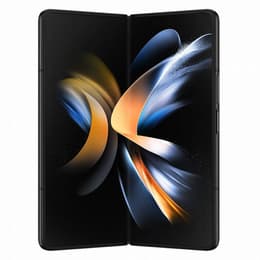
Galaxy Z Fold4
Galaxy Z Fold4
Starting at

Refurbished price:470.00

Versus €1,799.00 new

See options
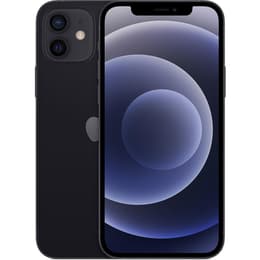
iPhone 12
iPhone 12
Starting at

Refurbished price:174.00

Versus €829.00 new

See options

Ratings

The Samsung Galaxy Z Fold4 (released August 2022) and the Apple iPhone 12 (released October 2020) represent distinct approaches to smartphone design and functionality. While the iPhone 12 offers a traditional, streamlined smartphone experience, the Galaxy Z Fold4 introduces a foldable form factor, providing a larger, adaptable display for enhanced productivity and media consumption. They operate on different ecosystems, with the Z Fold4 running Android and the iPhone 12 running iOS.

Scores

Durability

When considering the longevity of these devices, several factors come into play, including their release timelines, software support, and physical resilience.

  • Release Timeline: The Galaxy Z Fold4 was released in August 2022, making it a newer device compared to the iPhone 12, which launched in October 2020. This two-year difference can impact expected software support duration.
  • Software Longevity: Samsung has committed to providing the Galaxy Z Fold4 with four major Android OS upgrades, extending its support up to Android 16, along with five years of security updates until 2027. The iPhone 12, originally shipping with iOS 14, has received updates up to iOS 26 as of March 2026, indicating Apple's typically longer software support cycle for its devices.
  • Physical Durability: The Galaxy Z Fold4 features an Armor Aluminum frame and Gorilla Glass Victus+ on its cover screen, with a proprietary Ultra-Thin Glass for its inner foldable display. It carries an IPX8 rating for water resistance, meaning it can withstand submersion in fresh water but is not dust-resistant. The iPhone 12 incorporates a Ceramic Shield front cover and an aluminum frame, offering IP68 water and dust resistance. Repairability for the iPhone 12 was initially rated 6 out of 10 by iFixit, though this score was later adjusted to 4 out of 10 due to software-related parts pairing. Foldable devices like the Z Fold4 generally present more complex repair challenges due to their intricate design.

Year of Release

2022

2020

Compatible with latest Update

Yes

Yes

OS

Android

iOS

Foldable

Yes

No

Performance

The performance of both devices is influenced by their internal components, affecting aspects like storage, battery life, and overall responsiveness.

  • Storage and Memory: The Galaxy Z Fold4 is available with 256GB, 512GB, or 1TB of internal storage, paired with 12GB of RAM, and does not support expandable storage. The iPhone 12 offers storage options of 64GB, 128GB, or 256GB, and comes with 4GB of RAM, also without expandable storage. The higher RAM in the Z Fold4 can contribute to smoother multitasking, especially with multiple applications open on its larger display.
  • Battery Performance: The Galaxy Z Fold4 is equipped with a 4400 mAh battery, with users reporting approximately 6.5 to 7 hours of screen-on time with moderate usage. The iPhone 12 has a 2815 mAh battery, which, while optimized for its ecosystem, may require more frequent charging for users with heavy daily usage patterns.
  • Processing Power: Both smartphones feature high-end processors for their respective release periods. The Galaxy Z Fold4's processor handles demanding applications and extensive multitasking with fluidity, benefiting from its substantial RAM. The iPhone 12's processor delivers consistent and responsive performance for everyday tasks, gaming, and general application use within the iOS environment.

Memory (GB)

12 GB

4 GB

Screen quality

The visual experience on these devices differs significantly due to their display technologies and form factors.

  • Display Technology: The Galaxy Z Fold4 features Dynamic AMOLED 2X technology for both its main foldable screen and its external cover screen, providing vibrant colors and deep blacks. The iPhone 12 utilizes a Super Retina XDR OLED display, known for its high contrast and color accuracy.
  • Size and Resolution: The Z Fold4 offers a 7.6-inch main foldable display with a resolution of 2176 x 1812 pixels (QXGA+), and a 6.2-inch cover display with a resolution of 2316 x 904 pixels (HD+). This provides a large, expansive canvas when unfolded. The iPhone 12 has a 6.1-inch display with a resolution of 2532 x 1170 pixels, resulting in a pixel density of 460 pixels per inch.
  • Brightness and Refresh Rate: The Z Fold4's main display can reach a peak brightness of 1200 nits, while its cover display reaches 1000 nits, and both screens support an adaptive 120Hz refresh rate for smooth scrolling and responsiveness. The iPhone 12 offers a typical brightness of 625 nits and a peak HDR brightness of 1200 nits, but it operates at a standard 60Hz refresh rate.

Resolution

1812 x 2176

1170 x 2532

Screen type

Foldable Dynamic AMOLED 2X

Super Retina XDR OLED

Audiovisual

Both devices offer capable camera systems, though with different configurations and features tailored to their respective designs.

  • Rear Camera Systems: The Galaxy Z Fold4 is equipped with a versatile triple-camera setup on its rear, including a 50MP wide-angle lens, a 12MP ultrawide lens, and a 10MP telephoto lens with 3x optical zoom. The iPhone 12 features a dual-camera system on its rear, comprising a 12MP wide-angle lens and a 12MP ultrawide lens.
  • Front-Facing Cameras: For selfies and video calls, the Z Fold4 has a 10MP camera on its cover screen and a 4MP under-display camera on its main screen. The iPhone 12 includes a 12MP front-facing camera.
  • Photography and Video Capabilities: The Z Fold4's larger main sensor and optical zoom offer flexibility for various shooting scenarios, including improved low-light performance. It supports video recording up to 8K at 24 frames per second and 4K at 60 frames per second. The iPhone 12 is recognized for its consistent image quality and strong video capabilities, including 4K recording at 60 frames per second with Dolby Vision HDR.
  • Audio Experience: The Galaxy Z Fold4 provides stereo speakers with Dolby Atmos support for an immersive audio experience. The iPhone 12 also features stereo speakers, delivering clear audio for media consumption and calls.

Main camera

50 megapixels

12 megapixels

Front camera

4 megapixels

12 megapixels

Miscellaneous

Beyond core performance, several practical elements differentiate these two smartphones in daily use.

  • Connectivity Standards: The Galaxy Z Fold4 supports 5G networks, Wi-Fi 6E, and Bluetooth 5.2, along with NFC for contactless payments. The iPhone 12 also offers 5G connectivity, Wi-Fi 6, and Bluetooth 5.0, alongside NFC.
  • Ports and Biometrics: The Z Fold4 uses a USB-C port for charging and data transfer and does not include a 3.5mm headphone jack. It features a side-mounted fingerprint sensor for secure unlocking. The iPhone 12 utilizes Apple's proprietary Lightning port and also omits a 3.5mm headphone jack. It relies on Face ID for biometric authentication.
  • Physical Attributes: The Galaxy Z Fold4 is a heavier device at 263 grams and is thicker when folded, reflecting its dual-screen design. The iPhone 12 is lighter at 164 grams and has a more traditional, thinner profile. The Z Fold4 also supports S Pen input on its main display, offering additional functionality for note-taking and drawing.

Weight

263 g

164 g

Screen size (in)

7.6

6.1

Network

5G

5G

SIM card

Dual Physical SIM + eSIM

Physical SIM + eSIM

Carrier compatibility

Unlocked

Unlocked

Connector

USB-C

Lightning

User feedback for the Galaxy Z Fold4 often highlights its innovative foldable display as a significant advantage, enabling enhanced multitasking and an immersive viewing experience for media and productivity. Users appreciate the ability to have a tablet-sized screen in a pocketable form factor, and the S Pen compatibility is frequently praised for creative and professional tasks. Common criticisms include the visible crease on the main display, its considerable weight, and concerns about the long-term durability of the foldable screen.

The iPhone 12 is generally lauded for its consistent and reliable performance, its capable camera system that delivers excellent photos and videos, and the robust, user-friendly iOS ecosystem. Its compact design is often a point of praise for users who prefer a smaller, more manageable device. Some common criticisms include its 60Hz display, which some users find less fluid compared to higher refresh rate screens, and its battery life, which may require more frequent charging for heavy users.

Users prioritizing a large, adaptable screen for productivity, extensive media consumption, and S Pen functionality may find the Galaxy Z Fold4 well-suited to their needs. Conversely, users seeking a dependable, compact smartphone with a strong, long-supported ecosystem and consistent performance for everyday tasks and photography may lean towards the iPhone 12. Both devices offer distinct advantages, and choosing between them often comes down to individual preferences regarding form factor, operating system, and specific use cases. For those considering either device, exploring quality-assured refurbished options can be an eco-friendly alternative.

See all articles

Our recent comparisons